BrightStar

Parcourir tous les Events

Discover conscious gatherings

events

Yoga
Meditation
Breathwork
Qigong
Tai Chi
Sacred Music
World Music
Medicine Music
Sound Healing
Ecstatic Dance
Destinations populaires
BaliSedonaLos AngelesCosta RicaNew YorkSan FranciscoAustinMiamiJoshua TreeTulum
Voir toutes les catégoriesVoir toutes les destinations

Explorer toutes les fonctionnalités

Des outils puissants pour développer vos événements

Fonctionnalités de la plateforme

Tarification dynamique intelligente
Catégories de billets
Places assignées
Récupération des paniers abandonnés
Récupération des visiteurs
Dons & Prix variables
Système d'affiliation
Scanner de billets
Codes promo
Questions personnalisées
Partage de billets
Ventes additionnelles & Options
Analyses & Rapports
Séquences d'emails
Liste d'attente / Notifier / Rappeler
Personnes & Lieux
Artists & TeachersEvent OrganizersVenues & StudiosKnowledge BaseGlossaryInspiration
Voir toutes les fonctionnalitésÀ propos
TarifsBlog
Parcourir tous les événements

events

YogaMeditationBreathworkQigongTai ChiSacred MusicWorld MusicMedicine Music

Destinations populaires

BaliSedonaLos AngelesCosta RicaNew YorkSan Francisco

Personnes & Lieux

Artists & TeachersEvent OrganizersVenues & StudiosKnowledge BaseGlossaryInspiration

Fonctionnalités de la plateforme

Tarification dynamique intelligenteCatégories de billetsPlaces assignéesRécupération des paniers abandonnésRécupération des visiteursDons & Prix variablesSystème d'affiliationScanner de billetsCodes promoQuestions personnaliséesPartage de billetsVentes additionnelles & OptionsAnalyses & RapportsSéquences d'emailsListe d'attente / Notifier / Rappeler
Voir toutes les fonctionnalitésÀ propos
TarifsBlog
ConnexionChercheursCréateurs
Tibetan BuddhistOm Mani Padme Hum · Om Mani Padme Hum · Om Mani Padme Hum · Om Mani Padme Hum ·
  • Parcourir tous les Events
  • Pour les chercheurs
  • Yoga
  • Meditation
  • Breathwork
  • Qigong
  • Tai Chi
  • Sacred Music
  • Retraites
  • Ateliers
  • Toutes les catégories →
  • Bali
  • Sedona
  • Los Angeles
  • Costa Rica
  • Tulum
  • Byron Bay
  • San Francisco
  • Austin
  • Toutes les villes →
  • Pour les créateurs
  • Pour les écrivains
  • Pour les enseignants
  • Pour les artistes de kirtan
  • Pour les studios
  • Pour les festivals
  • Pour les centres de retraite
  • Pour les associations
  • Ambassadeur de marque
  • Études de cas
  • Réseau de 350K+ acheteurs
  • Récupération des paniers abandonnés
  • Tarification dynamique intelligente
  • Catégories de billets
  • Événements récurrents
  • Places assignées
  • Système d'affiliation
  • Liste d'attente / Notifier
  • Scanner de billets
  • Widget intégrable
  • Toutes les fonctionnalités →
  • À propos
  • Blog
  • Glossaire
  • Inspiration
  • Centre d'aide
  • Contact
  • Documentation API
  • Ressources de marque
  • Carrières
  • Presse
  • Conditions d'utilisation
  • Politique de confidentialité

Events

  • Parcourir tous les Events
  • Pour les chercheurs
  • Yoga
  • Meditation
  • Breathwork
  • Qigong
  • Tai Chi
  • Sacred Music
  • Retraites
  • Ateliers
  • Toutes les catégories →

Destinations

  • Bali
  • Sedona
  • Los Angeles
  • Costa Rica
  • Tulum
  • Byron Bay
  • San Francisco
  • Austin
  • Toutes les villes →

Pour les créateurs

  • Pour les créateurs
  • Pour les écrivains
  • Pour les enseignants
  • Pour les artistes de kirtan
  • Pour les studios
  • Pour les festivals
  • Pour les centres de retraite
  • Pour les associations
  • Ambassadeur de marque
  • Études de cas

Fonctionnalités

  • Réseau de 350K+ acheteurs
  • Récupération des paniers abandonnés
  • Tarification dynamique intelligente
  • Catégories de billets
  • Événements récurrents
  • Places assignées
  • Système d'affiliation
  • Liste d'attente / Notifier
  • Scanner de billets
  • Widget intégrable
  • Toutes les fonctionnalités →

Entreprise

  • À propos
  • Blog
  • Glossaire
  • Inspiration
  • Centre d'aide
  • Contact
  • Documentation API
  • Ressources de marque
  • Carrières
  • Presse
  • Conditions d'utilisation
  • Politique de confidentialité
BrightStar
© 2026 BrightStar. Tous droits réservés.
Back to Daisy Lee
Daisy Lee's Teaching: Approach, Method, and Voice
Teaching

Daisy Lee's Teaching: Approach, Method, and Voice

A session with Daisy Lee unfolds with deliberate slowness. Students arrive to find her already in the space, moving through a sequence so subtle it barely registers as movement—a hand rotating at the wrist, weight shifting almost imperceptibly from one foot…

Daisy Lee
Daisy Lee
Jun 18, 2026
3 min read
Read · 6 sections

Daisy Lee's Teaching: Approach, Method, and Voice

The Shape of Practice

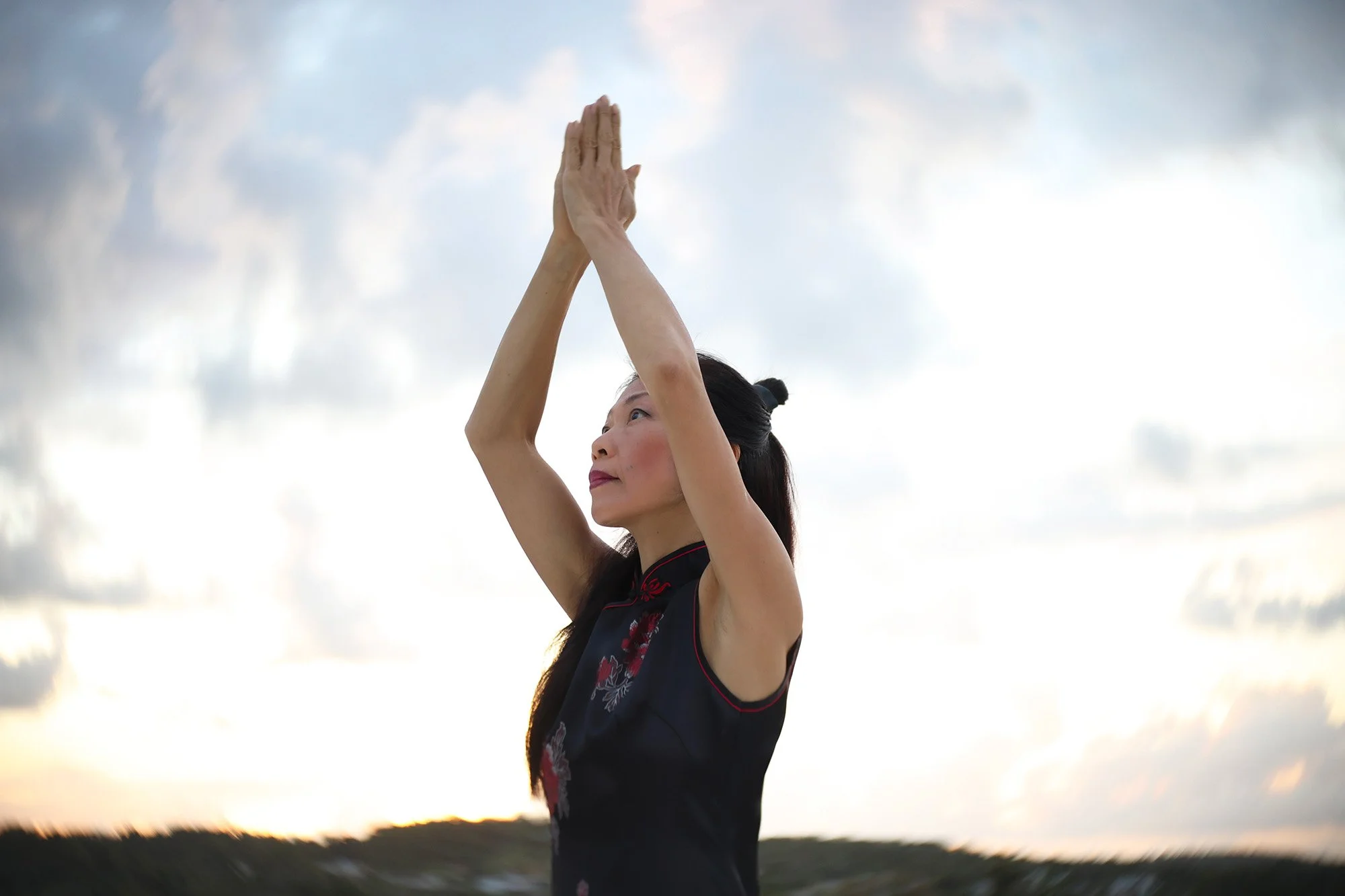
A session with Daisy Lee unfolds with deliberate slowness. Students arrive to find her already in the space, moving through a sequence so subtle it barely registers as movement—a hand rotating at the wrist, weight shifting almost imperceptibly from one foot to the other. There is no fanfare, no formal opening announcement. The class begins when bodies join hers in motion.

Her retreats follow a similar architecture of gradual immersion. Multi-day intensives move through waves of standing practice, seated meditation, and what she calls "investigative rest"—periods where students lie down and track the aftereffects of the forms they've just completed. She speaks sparingly during movement sequences, offering occasional adjustments that sound more like observations than corrections: "Notice the quality of effort in your shoulders." The talks that bookend practice sessions tend toward the technical—explanations of meridian pathways, discussions of how intention shapes qi flow, brief contextualizations from Traditional Chinese Medicine theory.

What's notably absent is the personal breakthrough narrative that dominates much contemporary wellness teaching. Students don't share transformation stories in circles. There are no partner exercises designed to foster vulnerability. The teaching stays focused on the practicalities of cultivation: how to stand, how to breathe, how to sustain attention without forcing.

Recurring Territory

Lee returns persistently to questions of sustainability and self-reliance. Her emphasis falls not on peak experiences but on establishing practices that can survive ordinary life. She teaches students to work with twenty minutes as seriously as they might approach a weekend retreat, to find the qigong available in a crowded subway car or a difficult conversation.

The relationship between structure and spontaneity occupies significant space in her teaching. She drills foundational forms with exacting precision, then encourages students to sense how each repetition differs. "The form is a container," she says frequently. "But qi moves like water." This tension—between disciplined repetition and attention to what's actually arising—threads through her curriculum.

She also insists on distinguishing between relaxation and release. Much of her teaching involves helping students identify where they're collapsing in the name of softness, where they're abandoning structure when the practice calls for yielding within integrity. This proves difficult territory for students accustomed to equating spiritual practice with the dissolution of boundaries.

The Questions That Linger

Lee's pedagogical method relies heavily on directing attention rather than providing answers. She asks students to sit with: Where are you manufacturing sensation? What changes if you stop trying to feel something? Can you sustain the form when nothing interesting is happening?

These questions point toward a larger inquiry she returns to across contexts: What's the difference between working on yourself and working with yourself? The distinction matters in her framework. The former implies a project of self-improvement, the latter a practice of skilled accompaniment to what's present.

She pushes experienced students further: What part of this practice is yours and what have you inherited unexamined? The question lands particularly with those drawn to Eastern practices as alternatives to Western culture, asking them to notice where they've simply traded one set of assumptions for another.

Aesthetic and Delivery

Lee's teaching voice is matter-of-fact, occasionally dry. She uses humor sparingly, and when it appears, it's usually self-deprecating—a story about misunderstanding her own teacher, a moment of getting lost in form. Scripture and traditional texts appear in her talks, but always in service of clarifying technique rather than as devotional material.

Silence occupies considerable real estate in her sessions. She's comfortable allowing five, ten, fifteen minutes to pass with students in a posture, offering no guidance or encouragement. This can feel austere, even stark, particularly for those accustomed to more supported practice environments.

Her demonstrations emphasize function over aesthetics. The forms as she performs them look unspectacular—there's none of the flowing grace often associated with qigong performances. This is intentional. She's showing working movement, not display movement.

Who This Is For

Lee's teaching finds its audience among people suspicious of charisma, those who've bounced off more devotional or psychologically-oriented contemplative traditions. It appeals to students seeking technical mastery and those willing to tolerate long stretches of mundane repetition for incremental shifts in capacity.

Those looking for community, emotional processing, or dramatic transformation will likely find her approach insufficient. The same holds for students who need significant verbal guidance or struggle with self-directed practice.

Her work belongs to a lineage of cultivation-focused teaching that prioritizes skill development over states, technique over experience, and long-term capacity over immediate relief. She stands in the tradition of teachers who see practice as craft—learnable, refineable, and ultimately ordinary.
Daisy Lee
AboutDaisy Lee

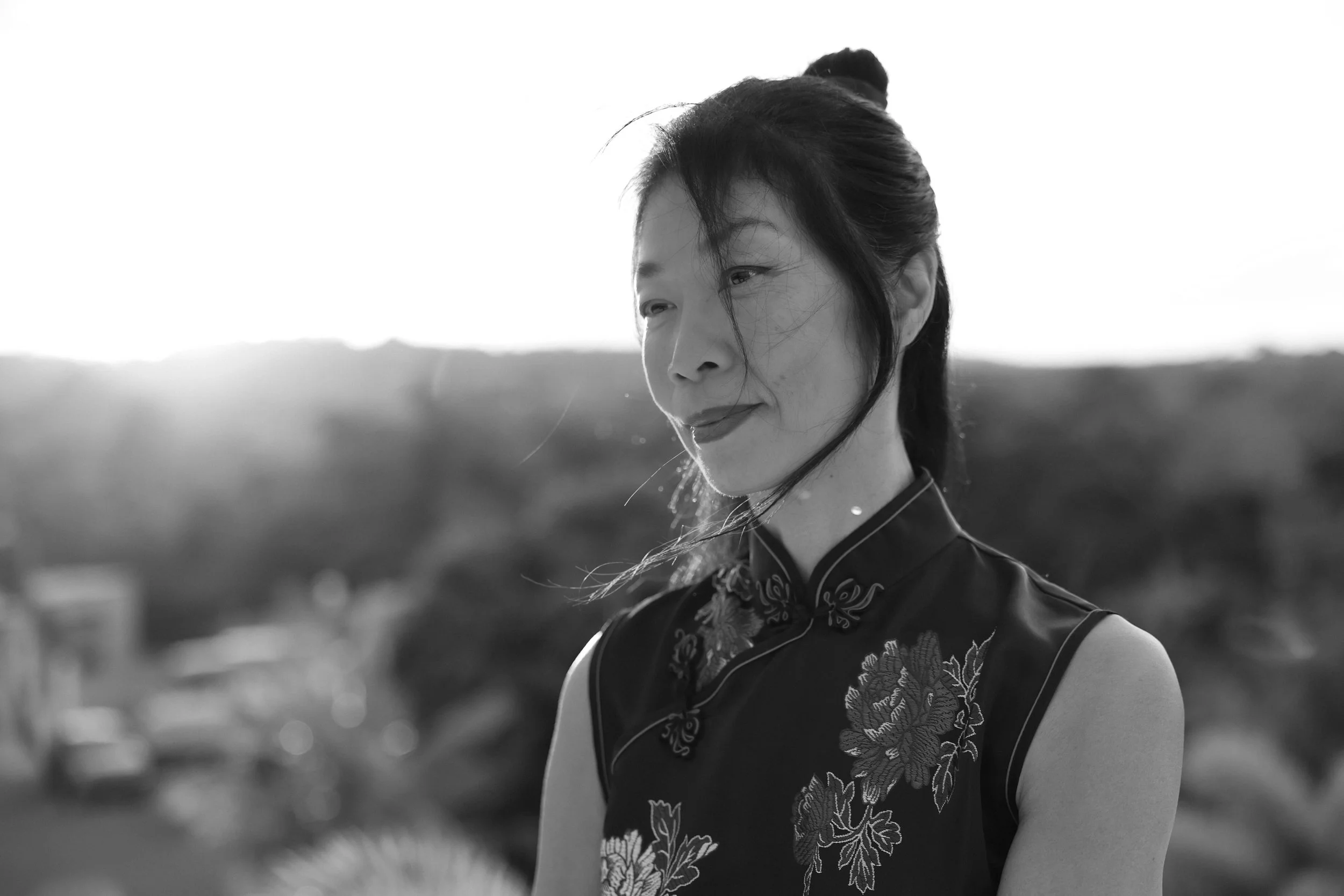
A Qigong teacher and practitioner who blends traditional Chinese teachings with modern insights to cultivate inner peace, vitality, and holistic wellness across the globe.

View profileWebsite

Continue Reading

More about Daisy Lee

View All
Who Is Daisy Lee? Life, Work, and Legacy
Article

Who Is Daisy Lee? Life, Work, and Legacy

Where to Start with Daisy Lee: A Beginner's Guide
Article

Where to Start with Daisy Lee: A Beginner's Guide

Keep exploring

Continue your journey

More wisdom and gatherings from across the BrightStar directory.

More Articles

Browse the full library of teachings, interviews, and guides.

Back to all articles →

Teachers & Artists

Explore the lineages, musicians, and guides of the conscious world.

Explore artists →

Find an Event

Kirtan, retreats, sound baths, breathwork, festivals — happening soon.

Browse events →