Inside the Spirit Rock Meditation Center Daily Schedule

Inside the Spirit Rock Meditation Center Daily Schedule
The bell rings at 5:45 a.m., not loudly, but enough to pull you from sleep in your simple room. On the first morning of a retreat at Spirit Rock, this feels impossibly early. By day four, your body anticipates it, already half-awake before the sound comes.
Morning: The Foundation Hours
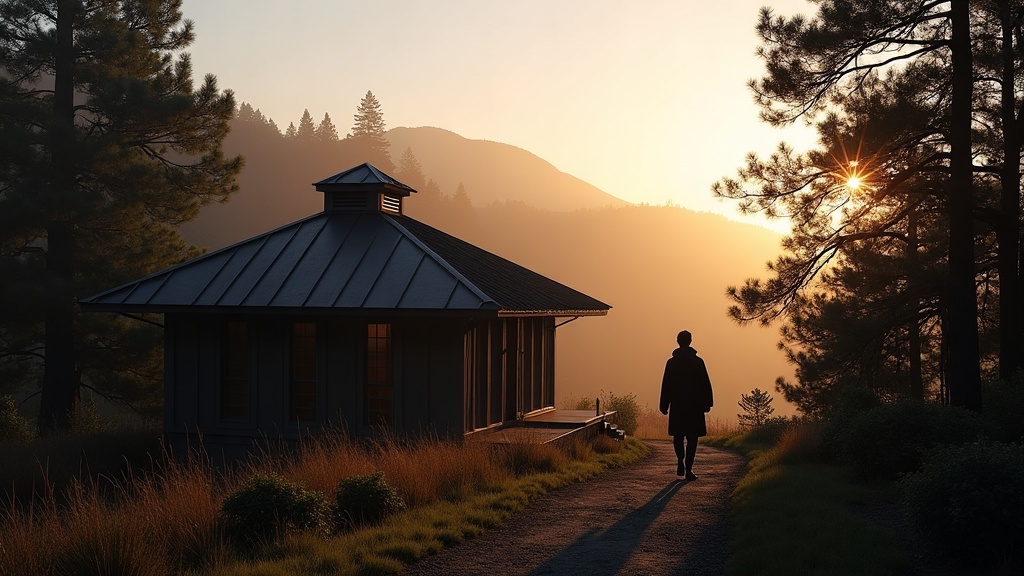
By 6:00 a.m., you're walking through pre-dawn darkness toward the meditation hall, joining a silent stream of fellow retreatants. The first sit of the day begins at 6:15 sharp. For forty-five minutes, you settle onto your cushion—or chair, if that's your practice—facing the bare redwood walls. No statues, no incense. Just breath and the collective stillness of bodies learning, again, to be still.
At 7:00 a.m., gentle movement. The teachers guide a half-hour of mindful yoga or walking meditation. Nothing strenuous—simple stretches, deliberate steps across the hall's wooden floor. On day one, your mind chatters through every pose. By day four, the movements feel like extensions of the sitting itself.
Breakfast arrives at 7:45 a.m. in the dining hall, served buffet-style: oatmeal with dried fruit, whole grain bread, almond butter, fresh fruit when it's in season from local farms. Coffee and tea, though some retreatants skip caffeine entirely. You eat in silence, the only sounds the scrape of spoons against bowls and the occasional bird call through open windows. The silence feels awkward initially, then revelatory—you actually taste your food.
Late Morning: Going Deeper
The 9:00 a.m. session typically features a dharma talk, with senior teachers like Jack Kornfield or Sylvia Boorstein (on longer retreats) offering instruction grounded in Theravada Buddhist teachings. They speak of the Four Noble Truths, of metta practice, of what it means to investigate suffering directly. The talks last about an hour, followed by another sitting period until 10:45 a.m.
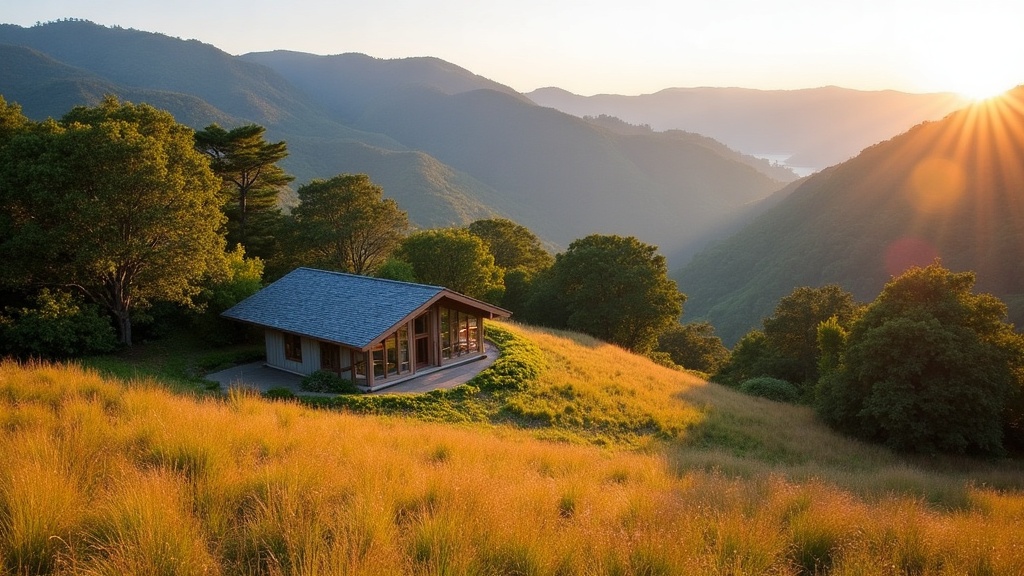
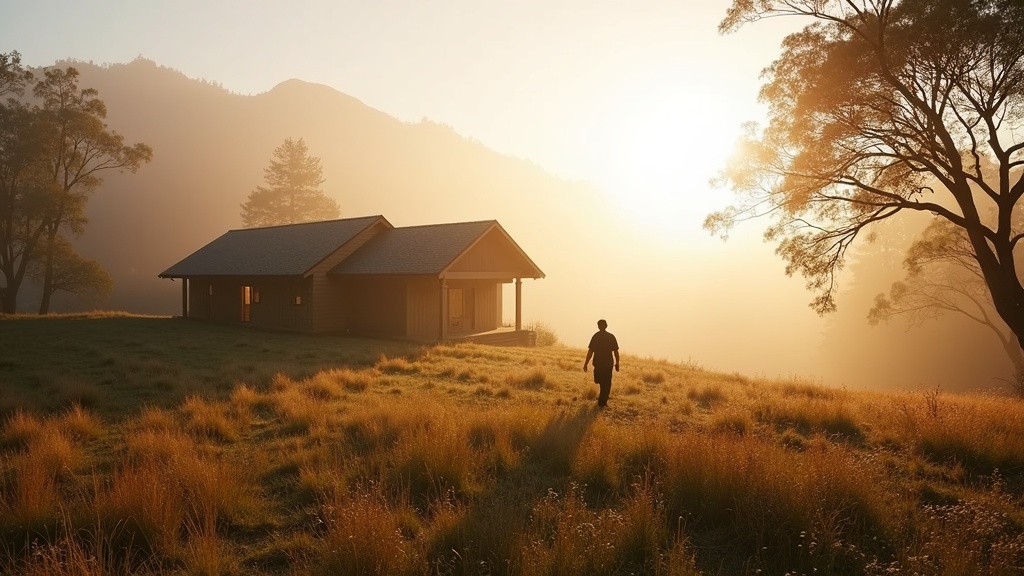
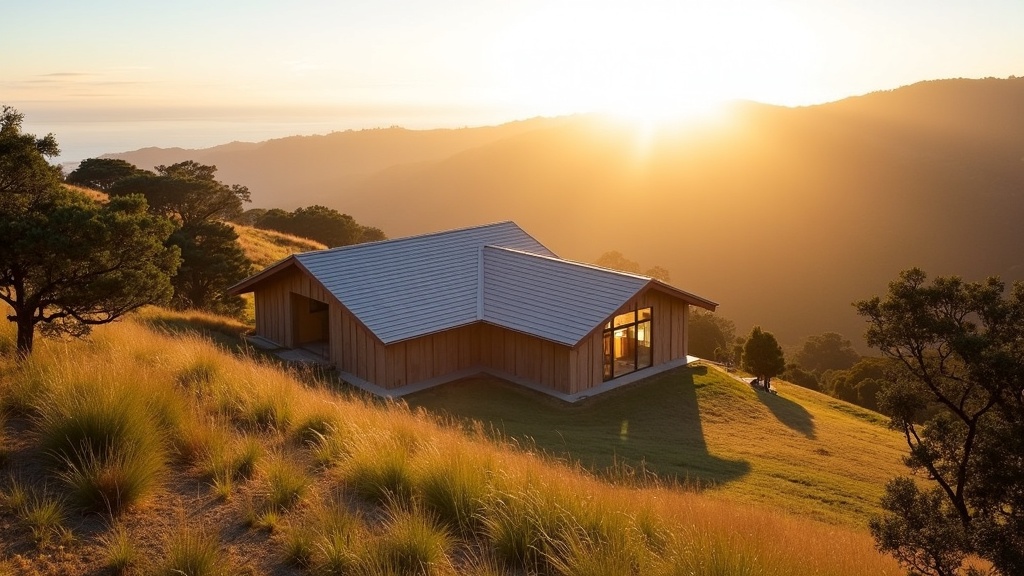
At 11:00 a.m., you might have a walking meditation period on the trails that wind through Spirit Rock's rolling Marin hillside. The golden grass, the occasional deer, the distant ridge—all become objects of meditation. Or you might join a smaller group discussion or practice session, depending on the retreat format.
Midday: Sustenance and Space
Lunch is served at noon, the main meal of the day. The kitchen staff—whose practice is as dedicated as anyone's—prepare vegetarian fare: lentil soups, grain salads with roasted vegetables, fresh greens from nearby farms, maybe a Thai curry reflecting the center's roots in Southeast Asian Buddhism. Again, you eat in silence, though the presence of others creates its own kind of communion.
Afternoon: The Middle Path
From 1:00 to 3:00 p.m., you have free time. Some retreatants nap. Others schedule fifteen-minute one-on-one sessions with teachers to discuss their practice. A few walk the grounds or sit in the meadow reading dharma books from the library. On longer retreats, optional massage or bodywork sessions might be available, integrated as mindfulness practice rather than spa luxury.
At 3:00 p.m., there's usually another sitting, followed at 4:00 by optional instruction sessions on specific techniques—noting practice, loving-kindness meditation, working with difficult emotions.
Evening: Closing the Day
Dinner at 5:30 p.m. is lighter—soup, bread, salad. The tradition leans toward monastics' practice of not eating after noon, but Spirit Rock adapts for Western bodies and longer retreat days.
The 7:00 p.m. evening session often combines a sit with a dharma talk or guided meditation. By 8:30 p.m., you're released into noble silence until morning. Some retreatants walk under stars. Others return to their rooms, journal briefly, and sleep deeply.
Variations and Rhythm
The schedule shifts depending on program type. Weekend retreats compress this rhythm into two days. Month-long retreats expand it, with more optional one-on-ones and deepening silence. Teacher training programs add study sessions and small group discussions.
What never changes: the basic container of sitting, walking, eating, sleeping. And that transformation between day one—when every moment feels impossibly slow—and day four, when you realize you've stopped counting hours entirely. The schedule hasn't changed. You have.