Where You'll Stay at Sharpham House: A Guide to Accommodations
Where You'll Stay at Sharpham House: A Guide to Accommodations
Sleeping in a Grade I-listed Palladian mansion sounds romantic until you remember that Georgian estates weren't designed with modern comfort in mind. Sharpham House offers an atmospheric experience in a historic setting, but understanding your accommodation options—and their honest limitations—will help set realistic expectations for your stay.
Room Categories and What You're Actually Getting
Sharpham's rooms fall into several tiers, though don't expect boutique hotel distinctions. The house operates primarily as a retreat center, and accommodations reflect that practical purpose rather than luxury hospitality.
Shared dormitory rooms represent the most affordable option, typically housing between four to eight guests in a single space. These aren't cramped hostel bunks—the high Georgian ceilings and generous room proportions offer decent breathing space—but privacy is obviously limited. Expect to hear your roommates' alarms, midnight bathroom trips, and variable snoring situations.
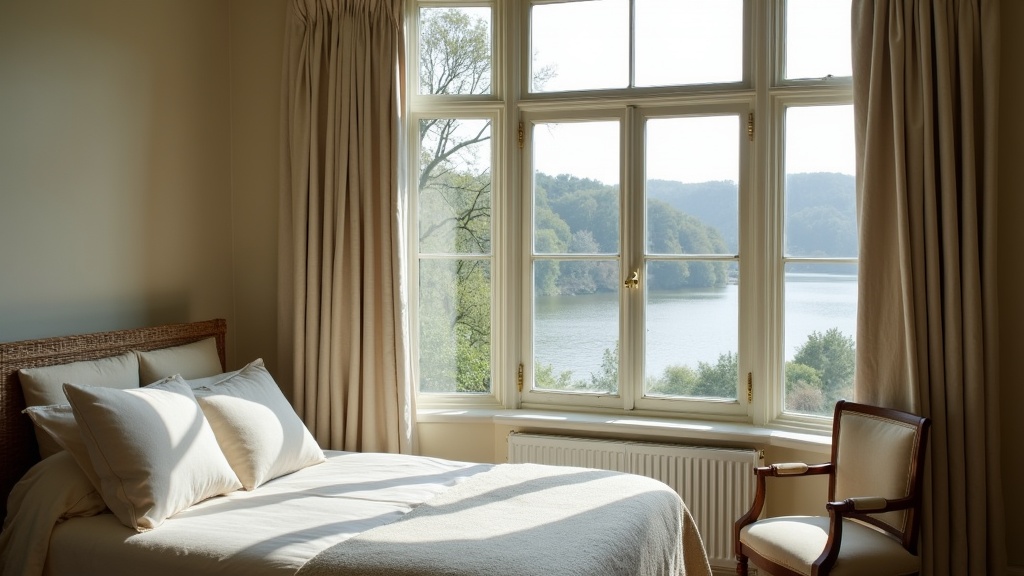
Standard single and double rooms occupy the middle tier, offering privacy without premium pricing. These tend to be smaller chambers, often carved from what were once servants' quarters or subdivided larger rooms. The historic character remains—original fireplaces, period moldings, tall windows overlooking the estate—but square footage can be tight, especially if you're used to modern hotel rooms.
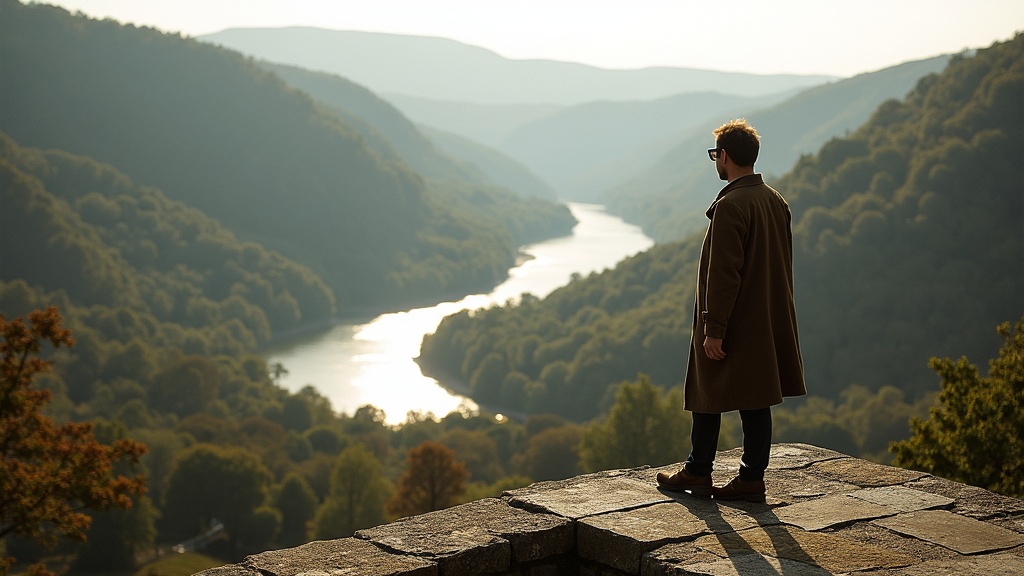
Deluxe rooms, when available, claim the mansion's prime real estate: south-facing chambers with river views, larger proportions, and occasionally four-poster beds. Even these, however, maintain the retreat center's unpretentious spirit. You're paying for space and vista, not for marble bathrooms or Egyptian cotton sheets.
The Bathroom Reality
Here's where historic charm meets practical inconvenience: most rooms at Sharpham share bathroom facilities. Hallway bathrooms serve clusters of rooms, and during busy retreats, you'll navigate an informal morning queue. The facilities themselves are clean and adequate, but if you're someone who needs long, private bathroom time or multiple daily showers, this arrangement requires adjustment.
A limited number of rooms include en-suite bathrooms, almost always attached to deluxe accommodations. These command a significant price premium and book quickly. If a private bathroom is non-negotiable for you, reserve early and be prepared to pay.
What's Included (and What's Not)
Linens and towels are provided—a relief, given Sharpham's relative remoteness. The towels are functional rather than plush, so if you're particular about that wrapped-in-clouds feeling, consider bringing your own.
Climate control requires managing expectations. This is an 18th-century building in Devon. Central heating exists but runs conservatively, both for cost and environmental reasons. Rooms can feel genuinely cold during winter months, and that Georgian elegance includes drafty windows and uneven heating. Extra blankets are available, but packing layers is wise. Summer brings the opposite challenge: those stunning windows don't always open fully, and air conditioning is nonexistent. The thick stone walls provide some temperature buffering, but upper floor rooms can get stuffy during heat waves.
Hallway Dynamics and Quiet Considerations
The house's layout creates natural quiet zones and social corridors. Rooms near the central staircase—that famous cantilevered ellipse—experience more foot traffic and ambient conversation. Wings and upper floors tend toward greater seclusion, though sound carries unpredictably through these historic structures. Creaking floorboards are charming until someone paces overhead at 6 a.m.
Silent retreat guests usually occupy specific sections, creating contemplative pockets. If you're attending a more social program but value peace, requesting a room near the silent areas can help.
Choosing Your Room Wisely
Match your accommodation to your trip's purpose. Here for intensive meditation? A basic shared room makes financial sense—you'll barely be there anyway. Planning to journal, rest, and integrate between sessions? Upgrade to a single room; that private retreat space becomes worth the investment.
Consider your bathroom habits honestly. Light sleepers and those requiring frequent nighttime facilities may find en-suite worth the premium, avoiding hallway navigation in darkness.
The cheapest options work beautifully if you're genuinely comfortable with communal living and minimal amenities. But if you'll spend your retreat resenting thin walls and shared showers, the supposed savings vanish in accumulated irritation. Sometimes the middle tier—a simple single room with hallway bath—offers the sweet spot between economy and sanity.