Your First Visit to Istituto Lama Tzong Khapa: What to Expect
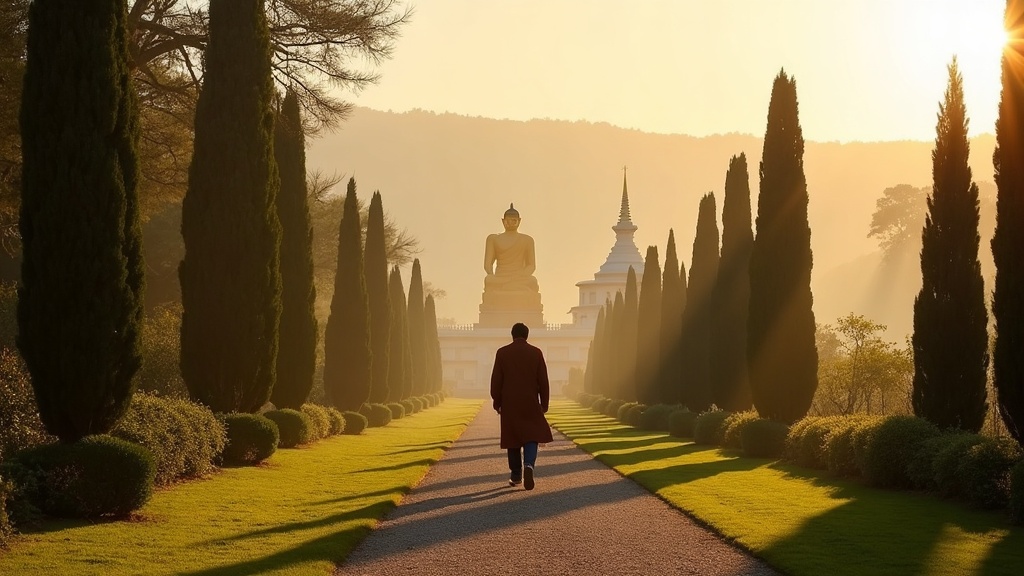
Arriving at the White Stupa
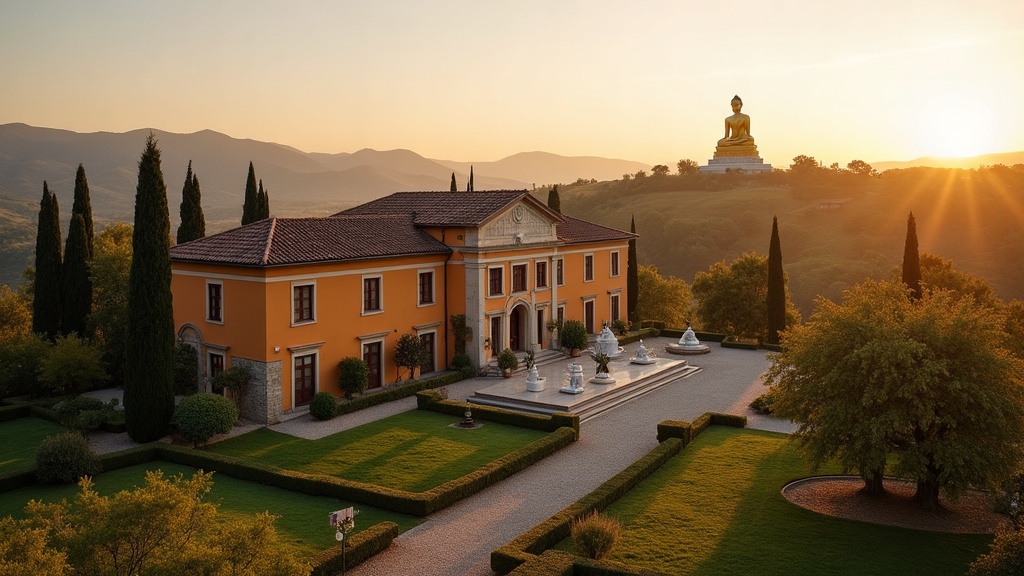
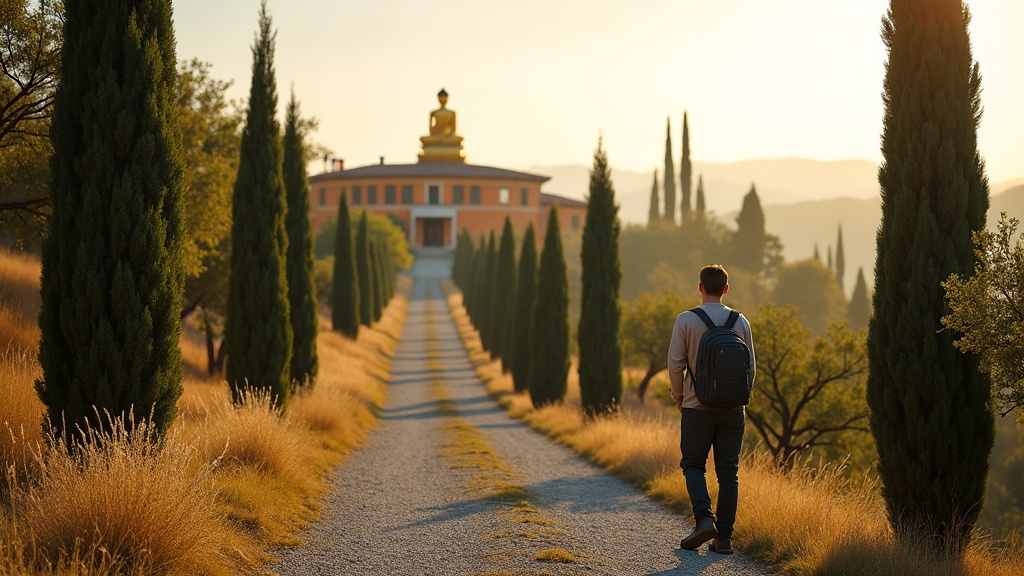
The road up from Pisa winds through classic Tuscan countryside—olive groves, cypress sentinels, stone farmhouses with terracotta roofs. Then you'll see it: the white stupa rising above the trees, unmistakable against the green hillside. That's your landmark. The turn-off to Istituto Lama Tzong Khapa is clearly marked near the village of Pomaia, and from there it's a short drive up a gravel road flanked by more cypresses.
Check-in happens at the reception building, usually between 2 and 6 PM on the first day of your program. The staff are accustomed to first-timers and will greet you warmly, though you might notice a quieter energy than you'd find at a typical Italian agriturismo. You'll receive your room assignment, meal times, and the week's schedule. They'll also orient you to the grounds—where the gompa (meditation hall) is located, where meals are served, and how to find the library and stupa. Bring your confirmation email and be prepared to settle any outstanding fees. Most importantly: don't rush this moment. You've just traveled from wherever you came from. Take a breath. You're here.
The Rhythm of the Day
The schedule at ILTK follows a gentle but consistent rhythm that might feel unusual if you're coming from city life. Morning meditation typically begins around 7 or 7:30 AM in the gompa—a spacious hall fitted with thangkas, low cushions, and raised seating along the sides. You'll hear the gong or bell that signals the start of practice, a sound that quickly becomes the organizing principle of your days.
Breakfast follows the morning session, usually around 9 AM. Then comes a mid-morning teaching or practice session, often focused on lam-rim (the graduated path to enlightenment) or whatever the specific focus of your retreat is. Lunch is the main meal, served around 12:30 or 1 PM, followed by a generous break in the afternoon. This is when people walk the grounds, sit under olive trees with dharma books, nap, or simply stare at the Tuscan hills. It's unstructured time, and if you're used to productivity culture, it might feel disorienting at first. Let it.
Evening sessions usually begin around 5 or 6 PM—more meditation, teaching, or group discussion—followed by a light dinner. By 9 PM, the center settles into silence. The days are full but not frantic, structured but not rigid. You'll find yourself synchronizing with the rhythm more quickly than you'd expect.
Your Room and the Grounds
Accommodations are simple, more monastery than hotel. Most rooms are single or double occupancy with twin beds, a small desk, a chair, and minimal decoration. There's a window, usually overlooking either the gardens or the surrounding countryside. The aesthetic is functional and clean—white walls, tile floors, decent bedding. You're not here for luxury, and the rooms reflect that honestly. Bathrooms are either private or shared depending on your room category, and hot water is reliable but not endless.
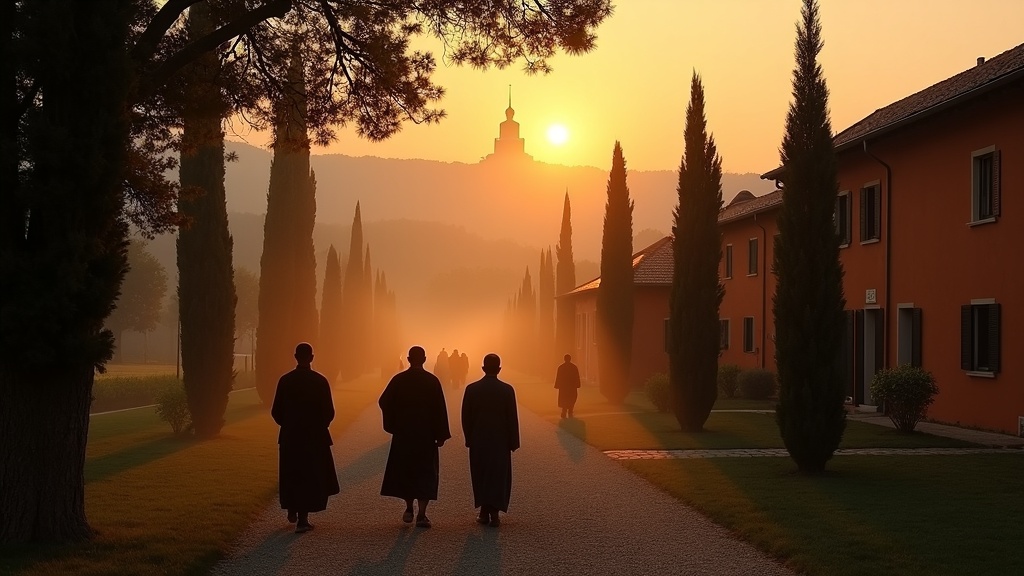
The twenty hectares of grounds are the real gift. Stone pathways connect the various buildings, lined with rosemary and lavender. The stupa sits on a slight rise, its white dome visible from most parts of the property. People circumambulate it clockwise during breaks, a walking meditation practice. The gompa is the heart of the complex, cool and quiet even in summer, with meditation cushions and benches arranged in rows facing a shrine. The library holds an extensive collection of Buddhist texts in multiple languages—worth exploring during free time.
Food: Simple, Vegetarian, Nourishing
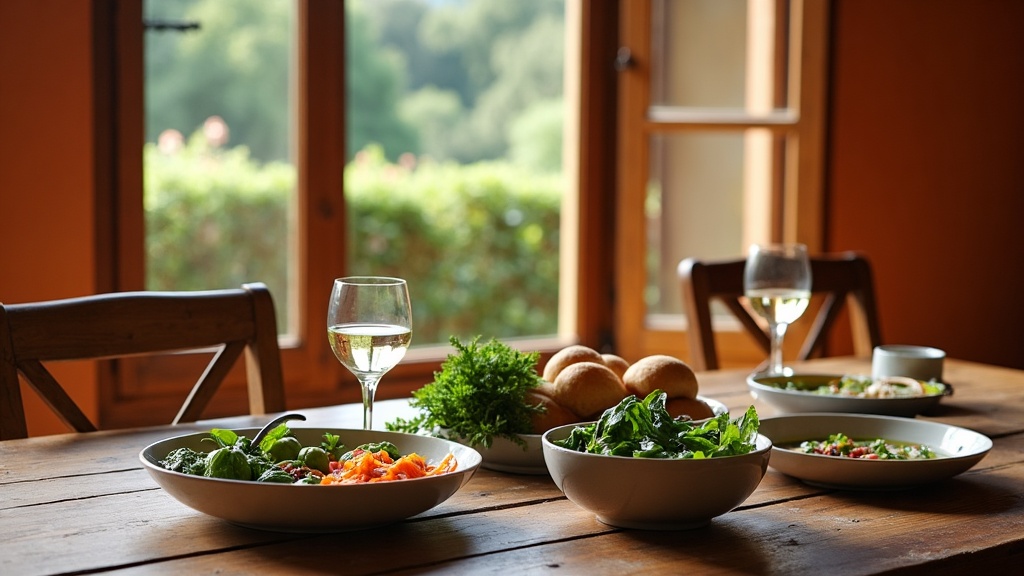
Meals are vegetarian and served buffet-style in the dining hall. Think hearty Italian-Tibetan fusion: pasta with simple sauces, risotto, seasonal vegetables, soups, salads, bread. Breakfast includes bread, jam, fruit, cereal, yogurt, tea, and coffee. Lunch is the substantial meal. Dinner is lighter—soup and bread are common. The food isn't fancy, but it's made with care and matches the contemplative pace of the center.
The dining hall can be silent or social depending on the retreat guidelines. Some programs maintain noble silence during meals; others allow quiet conversation. Either way, meals become a practice in themselves—eating slowly, tasting fully, not rushing to the next thing. There's usually fruit and tea available throughout the day. If you have serious dietary restrictions, communicate them when you register.
What to Pack (and What to Leave Behind)
Bring comfortable, modest clothing suitable for meditation—loose pants, layers for sitting still in the gompa (which can be cool even in warm weather), walking shoes for the grounds, and something warmer for evenings. A meditation shawl or blanket is useful. Sunscreen and a hat for afternoon walks. A water bottle. A notebook if you like to process teachings in writing. Any medications you need.
Your own meditation cushion is optional—the gompa is well-stocked—but some people prefer their own. A small flashlight for walking between buildings at night is handy. Earplugs if you're sensitive to noise (though it's remarkably quiet).
What not to bring: expectations of constant entertainment, a packed schedule outside of sessions, or the need to be constantly connected. Wifi exists but is limited. This is intentional. The center asks that you minimize phone use, avoid phone calls except during breaks, and respect silence in common areas. Leave work projects at home, both literally and mentally.
Unspoken Etiquette
Silence is observed in the gompa always, and in other areas depending on your program guidelines. When in doubt, err on the side of quiet. Remove shoes before entering the meditation hall. Arrive on time for sessions—late entrances are disruptive. If you need to leave a session early, do so between teachings or practices, not in the middle.
If you need to leave the retreat entirely before it ends, speak with the program coordinator. People do leave sometimes—illness, emergency, or simply discovering a retreat isn't what they needed—and the staff are understanding, but communication matters.
The Honest Truth: What Surprises People
First-timers are often surprised by how much emotion surfaces during silent meditation. Without distraction, feelings emerge. This is normal and part of the practice, but it can be intense. The silence itself can feel confronting at first, then deeply relieving. The slowness takes adjustment—there's nowhere to rush to. The bells and gongs mark time differently than clocks do.
On the gift side: the beauty of the grounds often exceeds expectations. The teachings, even for skeptics, tend to be more practical and less esoteric than imagined. The community that forms, even in silence, carries a particular warmth.
You'll leave different than you arrived. That's the point.