The History of GOAT Community
The History of GOAT Community
In the emerald folds of Portugal's Magic Mountains, where ancient thermal springs have bubbled up since Roman times and moss-cloaked pines sweep down to hidden lakes, something remarkable took root during the uncertain summer of 2020. Five childhood friends from São Pedro do Sul—Bruno Regueira, John Woods, Marco Marques Pinto, João Marcelino, and Gonçalo Gomes—gathered in the mountains they'd explored since boyhood for what they called a simple day party. They couldn't have imagined that their impromptu celebration would blossom into GOAT Community, one of Europe's most distinctive transformational festivals.
Origins in Unlikely Times
The festival's genesis story carries the fingerprints of its moment. As the world paused and recalibrated during the COVID-19 pandemic, these five friends turned to what they knew best: the healing power of gathering, the restorative embrace of nature, and the connective energy of music. That first gathering was modest—locals dancing in familiar terrain, reclaiming joy in a season of isolation. There were no grand ambitions, no five-year plans. Just friends creating sanctuary in their mountain playground.
But something ineffable lived in that initial celebration. Perhaps it was the authenticity of the offering, or the way the landscape itself seemed to hold the gathering. Perhaps it was simply the right medicine at the right moment. Word began to travel through the networks of conscious celebration, carried by those who'd experienced the magic firsthand.
From Local Gathering to International Destination
By the following year, the quiet mountain gathering had caught the attention of DJs and artists across Europe. Inquiries arrived from performers who'd heard whispers of something special unfolding in Portugal's Centro region. The festival expanded organically, guided by the founders' commitment to preserving the intimacy and intention of that original day party while welcoming a wider circle of seekers and celebrants.
The transformation accelerated in 2023 when GOAT launched its first full-format edition—a five-day, five-night journey held each July. This evolution marked not a departure from the festival's roots but a deepening of them. The founders had discovered that their vision could scale without losing its soul, that intimate could also mean expansive.
A Festival Rooted in Place
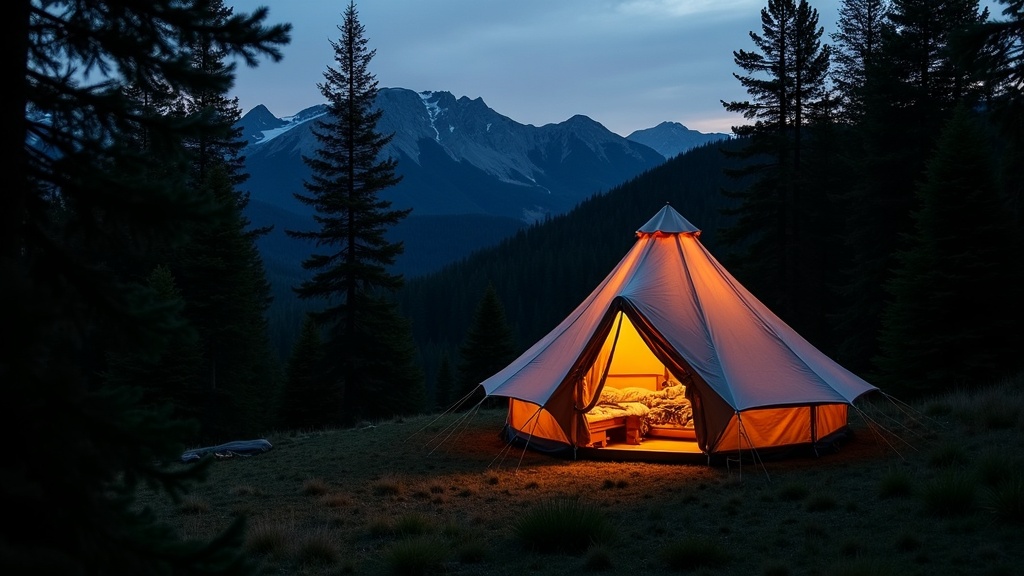
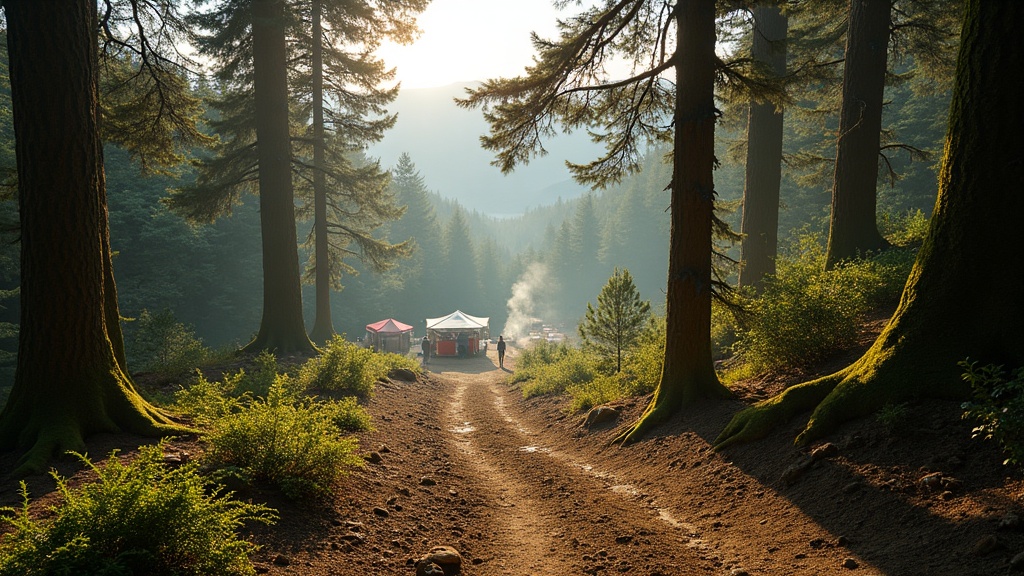
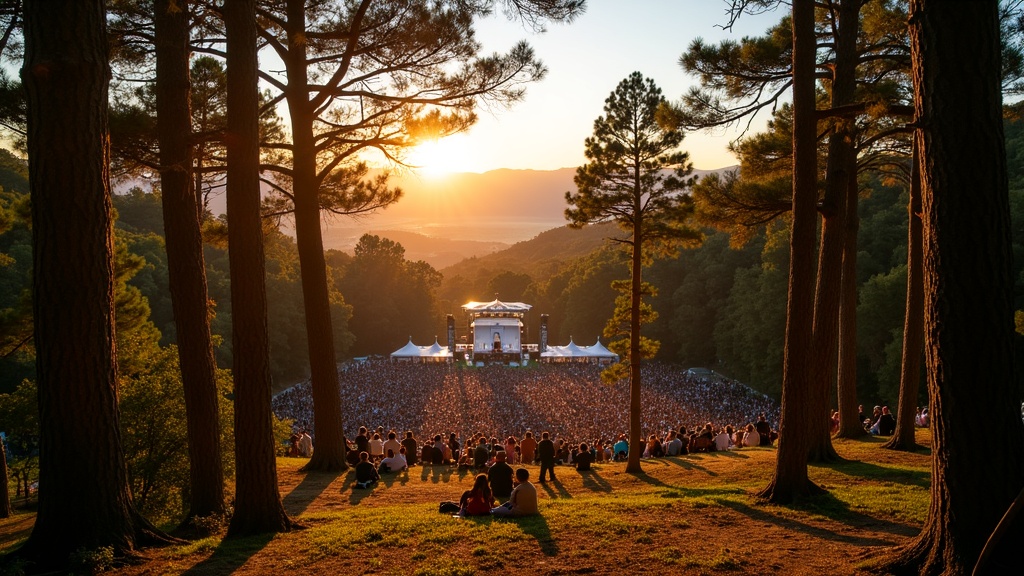
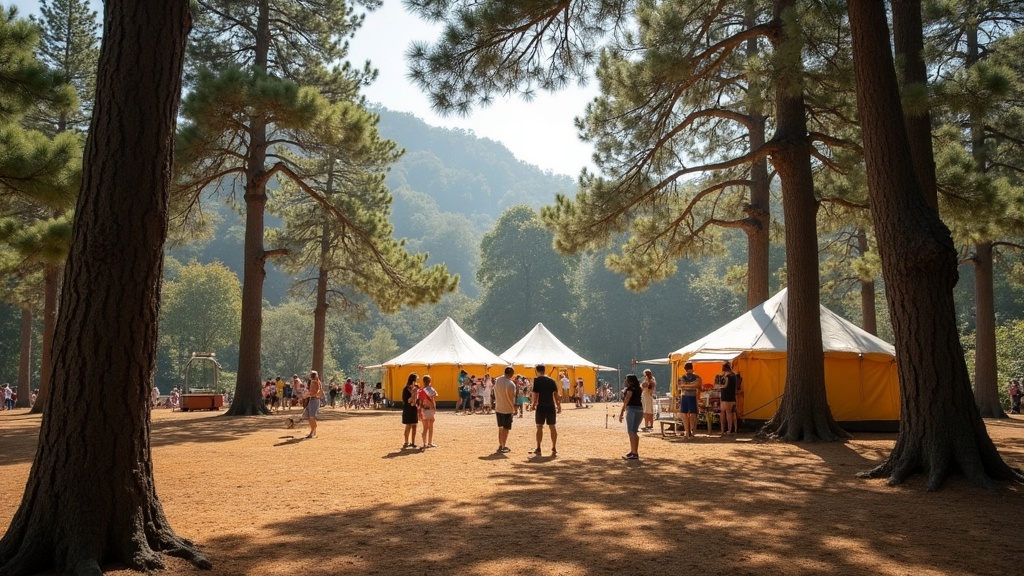
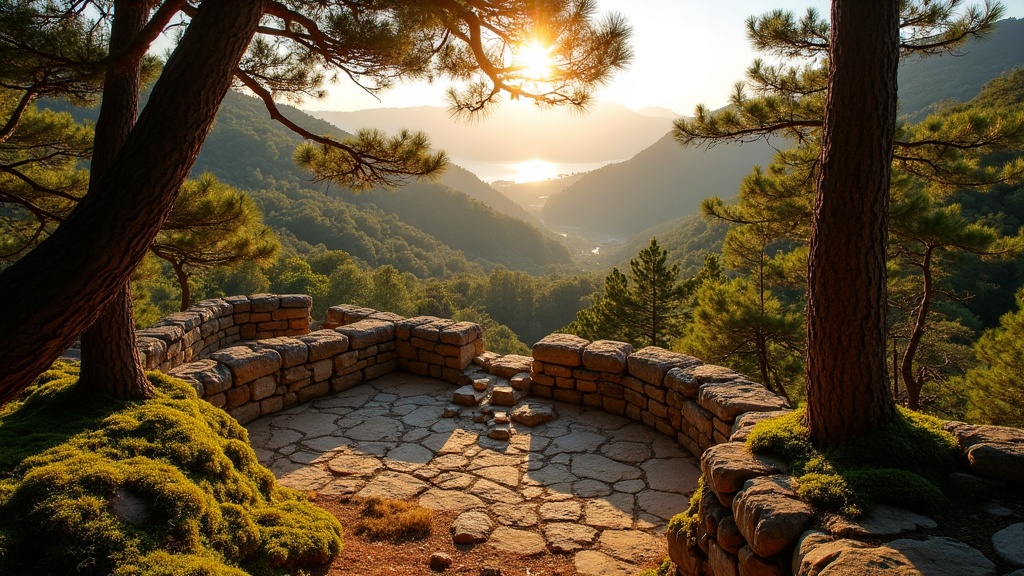
GOAT Community unfolds at Retiro da Fraguinha, a mountain property carved into the terrain above São Pedro do Sul. The choice of venue reflects the founders' philosophy: this festival doesn't impose itself upon the land but collaborates with it. The setting feels less like festival infrastructure and more like a natural amphitheater, where the landscape itself becomes co-creator of the experience.
This rootedness in place distinguishes GOAT from the nomadic or interchangeable nature of many festival circuits. The event belongs to these particular mountains, these specific trees, this exact quality of light. The founders' childhood intimacy with the terrain infuses every element of the gathering, from the placement of stages to the flow of movement through the property.
A Convergence of Traditions
GOAT Community draws from a rich confluence of practices: transformational festival culture, conscious electronic music, sound healing, ecstatic dance, and meditation. This isn't an eclectic grab bag but a carefully curated synthesis, each element chosen to serve the festival's central mission of conscious celebration.
The programming honors both activation and integration, offering spaces for wild abandon and quiet reflection. Participants might find themselves dancing under stars to cutting-edge electronic sets, then greeting dawn with silent meditation or sound healing sessions. This rhythmic oscillation—between expansion and grounding, between individual journey and collective experience—has become a signature of the GOAT experience.
Present Character and Distinction
Today, GOAT Community stands as what the founders describe as "wild yet grounded, curated yet organic, fiercely local yet globally resonant." It's a festival that has achieved something rare: maintaining the feeling of an intimate gathering among friends while welcoming an international community of seekers.
The festival's distinctive character emerges from this tension between opposites held in balance. It's professional without being corporate, intentional without being precious, celebratory without being hedonistic. The founders' shared history and deep connection to the land provides an anchor, ensuring that growth never comes at the expense of authenticity.
For those seeking conscious community and transformative celebration, GOAT represents something increasingly precious: a gathering that remembers its origins, honors its place, and welcomes each participant not as consumer but as co-creator of the experience. In an era of scaled-up festival productions, GOAT Community offers a different possibility—one that began with five friends dancing in mountains they've always loved, and has evolved into a luminous example of what happens when celebration and consciousness intertwine.