Where You'll Stay at Findhorn Foundation: A Guide to Accommodations
Where You'll Stay at Findhorn Foundation: A Guide to Accommodations
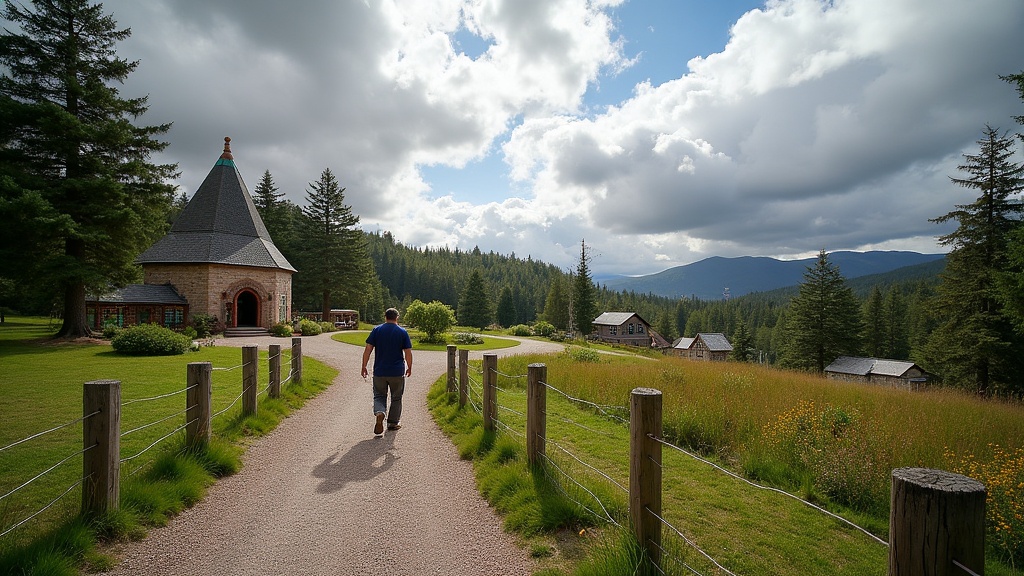
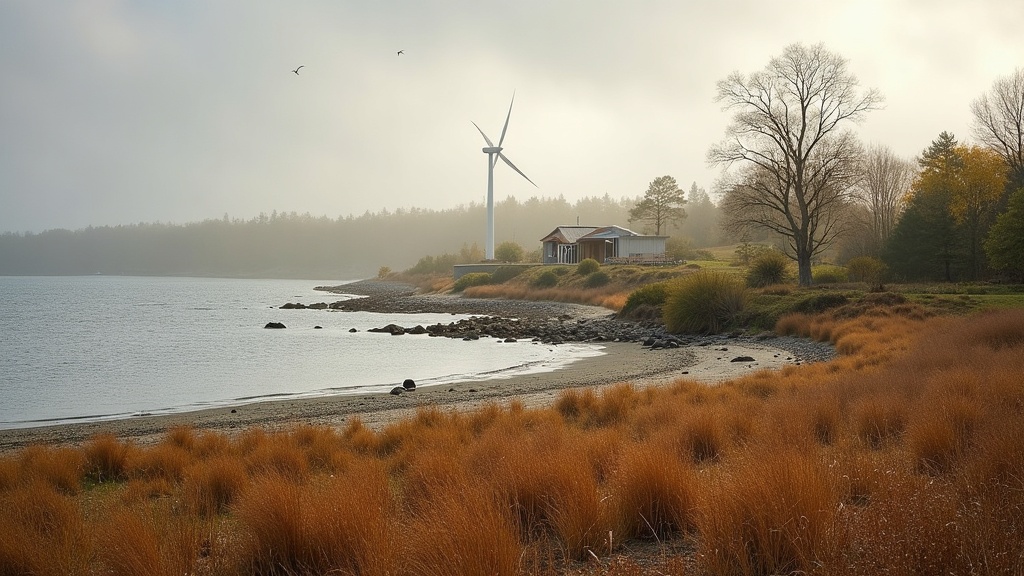
Findhorn Foundation isn't a hotel. It's a living community on Scotland's windswept northern coast, and where you sleep reflects that reality. The accommodations range from shared dormitories to private en-suite rooms, but even the deluxe options maintain a certain utilitarian simplicity. This is a place built on intentional living and sustainability, not luxury hospitality, and your lodging choice will significantly shape your experience.
The Room Categories: What You're Actually Getting
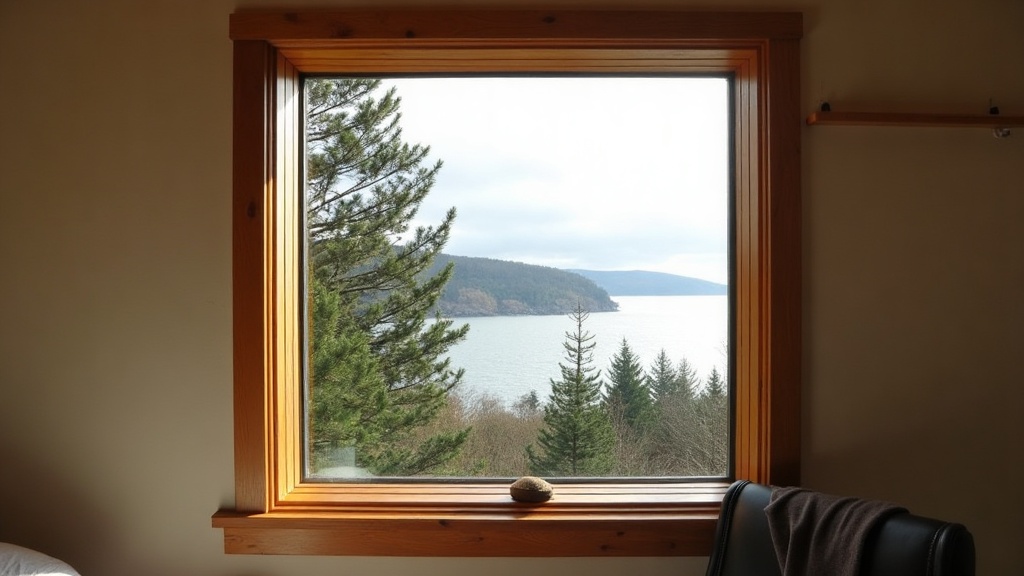
The Foundation offers roughly three tiers of accommodation, though exact naming and availability fluctuate. At the budget end, dormitory-style rooms sleep four to eight people in bunk beds or single frames. These are genuinely communal spaces—you'll hear every cough, every early riser, every midnight bathroom trip. Standard rooms typically offer twin or double occupancy with basic furnishings: a bed, a small desk or chair, a lamp, limited storage. Think university halls, not boutique inn. Deluxe or premium options might include a private bathroom, slightly more space, perhaps better natural light or a view toward the gardens rather than the parking area.
The price difference between categories can be substantial—sometimes £30-50 per night—which matters over a week-long program. But understand what you're trading. That dorm bed isn't just cheaper; it's an immersion in community living that some find profound and others find exhausting. The private room isn't just more expensive; it's a necessary boundary that preserves your capacity for the intensive group work.
Bathrooms and the Morning Shuffle
Unless you've booked a deluxe en-suite, you're sharing facilities. Shared bathrooms at Findhorn are generally clean and well-maintained—this is a community that takes stewardship seriously—but there's an inevitable morning bottleneck. Eight people trying to shower before a 7:00 AM meditation creates tactical challenges. Veterans learn to wake earlier or wait until mid-morning. The bathrooms are typically down the hall, sometimes requiring you to dress and venture into public space, which feels more vulnerable at dawn in a Scottish winter than you might anticipate.
Hot water is usually reliable, but the heating throughout the campus reflects the community's environmental commitments. Rooms can be cool, particularly in the older buildings. Which brings us to what's provided and what you'll need.
What's Included (and What's Not)
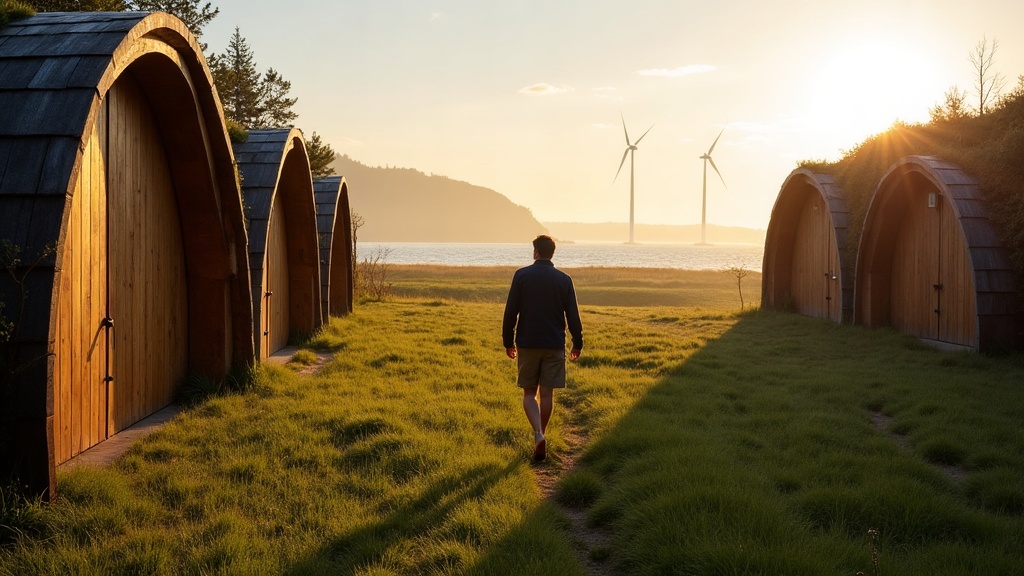
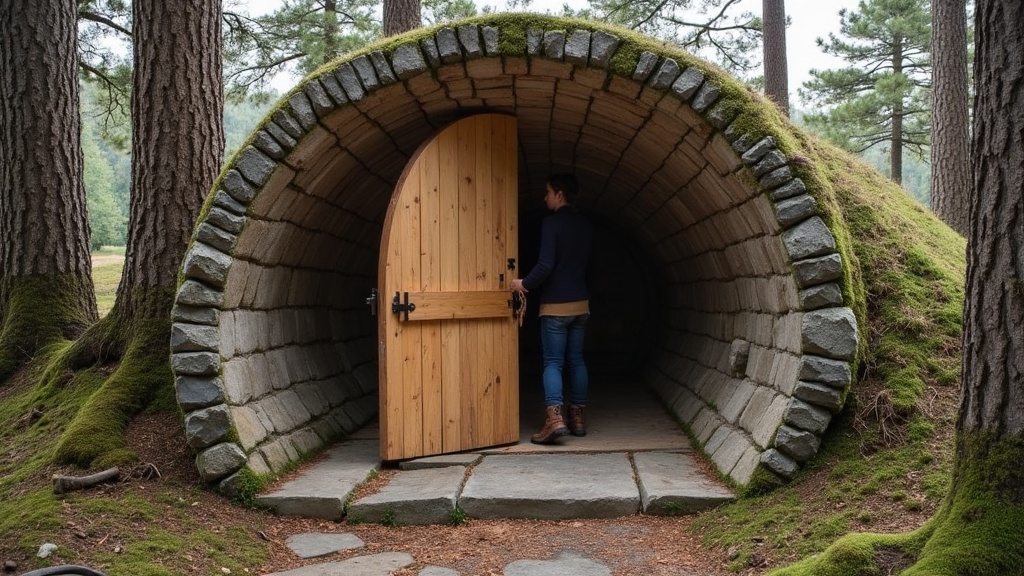
Linens and towels are typically provided, though the towels lean small and thin. If you're particular about such things, bring your own. Climate control is mostly radiators you can adjust, but don't expect hotel-grade temperature management. Bring layers—a fleece for indoor evenings, warm socks for morning meditation. Many buildings are older, insulated by earth berms and philosophy rather than modern materials.
You won't find televisions, mini-fridges, or coffee makers. Some rooms have barely adequate lighting for reading. WiFi exists but can be spotty depending on which building you're in. There's no daily housekeeping. This is intentional—you're expected to tend your own space, often with assigned community work duties that might include cleaning shared areas.
The Sound and Silence Question
Noise varies dramatically by building and room placement. Findhorn's campus includes everything from converted caravans to purpose-built halls. Some structures have thin walls where conversations carry; others offer surprising acoustic privacy. Hallways in the main accommodations buildings see regular foot traffic during program transitions, and community members pass through at all hours. If you're sensitive to sound, request a room away from common areas and bring earplugs.
The community itself maintains relative quiet after 10 PM, and there's a pervasive culture of consideration, but you're not in a silent retreat. Expect doors closing, kettle whistles, the occasional animated discussion about composting systems.
Choosing Your Right Fit
Book the private room if you're an introvert doing intensive emotional or spiritual work, if you need assured sleep, or if sharing space with strangers feels destabilizing. Accept the dorm if budget is paramount, if you're genuinely curious about communal living, or if you're young and flexible enough that discomfort feels like adventure.
The honest tradeoff: cheaper options cost you more in other currencies—privacy, rest, autonomy. That might be a worthwhile exchange for a shorter stay or if community immersion is your actual goal. But don't underestimate how much a poor night's sleep compounds over a week-long program. Sometimes the private room isn't luxury; it's infrastructure for the real work you came to do.