Your First Visit to Drala Mountain Center: What to Expect
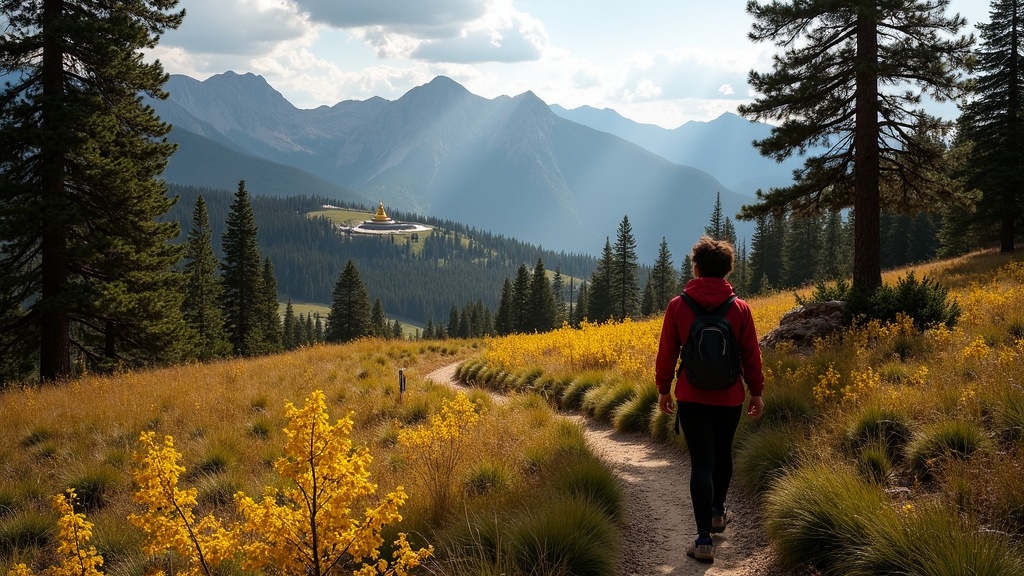
Getting There and Checking In
The drive up to Drala Mountain Center is part of the transition. An hour northwest of Fort Collins, you'll wind through ponderosa forests and high prairie, the road gradually climbing to 8,600 feet. Cell service becomes spotty, which is your first taste of what's ahead. When you arrive, you'll check in at the main reception building—bring your confirmation email, though the staff is small enough that they'll likely recognize your name.
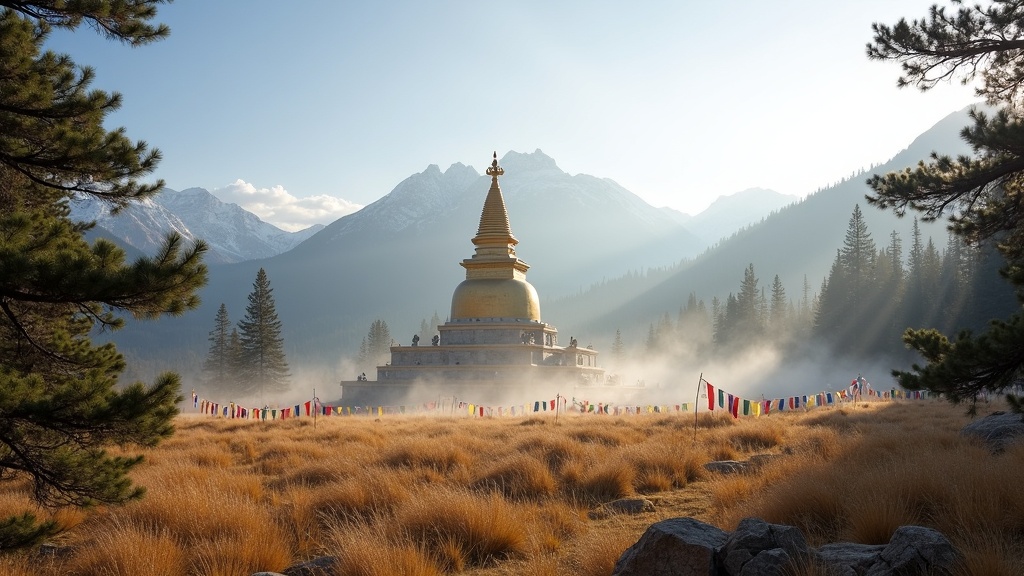
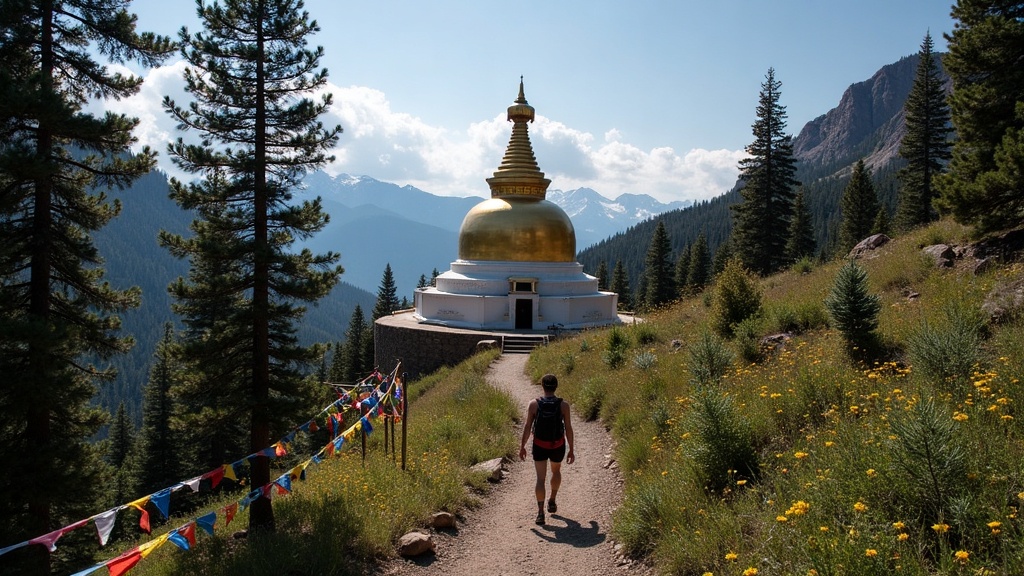
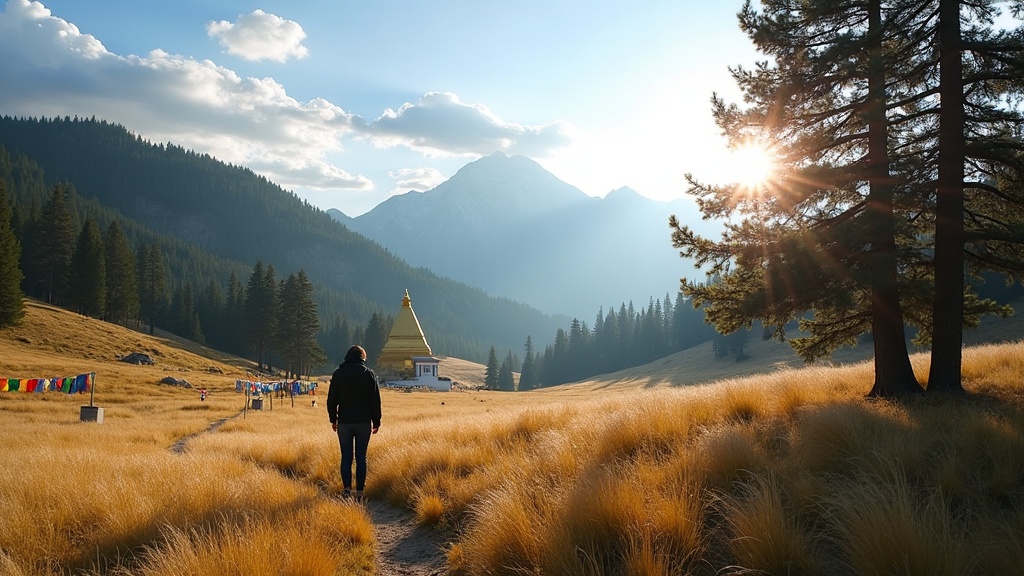
Check-in is informal but thorough. You'll get your room assignment, a map of the property (which you'll need—those 600 acres can be disorienting at first), and a schedule for your specific program. They'll explain meal times, point you toward the Great Stupa, and gently remind you about silence protocols if your retreat includes them. Most programs start with dinner or an evening orientation, giving you time to settle before the real rhythm begins.
The Daily Rhythm
Your days will follow a structure that might feel foreign at first but quickly becomes grounding. Wake-up is early—often around 6:30 or 7:00 a.m.—with morning practice in the shrine room starting by 7:30. This is typically shamatha meditation, sitting practice in the Shambhala tradition, sometimes punctuated by walking meditation. The morning session can run 90 minutes to two hours, depending on your program.
Breakfast follows practice, served buffet-style with time to eat quietly or chat, depending on whether you're in silence. Mid-morning might bring a teaching, a work meditation period (yes, you might be asked to help with dishes or grounds maintenance—this is considered part of the practice), or free time. Lunch is usually around noon or one, followed by a longer afternoon break when many people nap, walk the land, or visit the Stupa.
Afternoon sessions resume around 3:00 or 4:00, with more sitting practice or program-specific activities—teachings on Shambhala warriorship principles, discussion groups, or if you're in a dathün, more silence and meditation. Dinner comes around 6:00, and evenings often hold a final talk, group reflection, or extended practice. By 9:00 or 9:30 p.m., things quiet down. The altitude and the schedule will make you tired in ways you might not expect.
Where You'll Sleep
The accommodations are functional, not luxurious. You might be in one of the lodges with shared rooms—think basic bunk beds or single beds, clean linens, and minimal decoration. Some programs use the yurts, which are circular canvas structures with wood floors and either shared or semi-private sleeping areas. There's a particular creak and sway to a yurt in mountain wind that you'll either find meditative or unsettling, depending on your disposition.
Bathrooms are typically shared and down the hall, with adequate showers that run hot (though the water pressure is what you'd expect at high altitude with well water). Bring slippers or flip-flops for late-night bathroom runs. The rooms are heated but not climate-controlled; layers matter. Don't expect WiFi in your room. Actually, don't expect much WiFi anywhere.
What You'll Eat
The meals are vegetarian, plentiful, and better than most people anticipate. Breakfast might be oatmeal with fixings, yogurt, fruit, and good coffee or tea. Lunch and dinner rotate through soups, salads, grain bowls, roasted vegetables, and the occasional tofu or tempeh preparation. The kitchen accommodates dietary restrictions if you've noted them in advance, though options become simpler the more specific your needs.
Food is served buffet-style in a dining hall that looks out over the valley. Eating can be silent or social depending on the program, but even when talking is allowed, there's a quieter quality to meals than you're used to. People eat mindfully, or at least more slowly. The altitude sometimes suppresses appetite; don't be surprised if you eat less than normal, and drink much more water.
What to Pack (and What to Leave Home)
Bring layers—serious layers. Mornings can be in the 30s even in summer, afternoons might hit 70, and evenings drop fast. A warm jacket, a rain layer, comfortable sitting clothes (loose waistbands are your friend for long meditation sessions), walking shoes, and warmer socks than you think you need. Sunscreen and lip balm are essential; the high-altitude sun is brutal.
You'll want a water bottle, any medications, toiletries, and if you have your own meditation cushion, consider bringing it. A headlamp or small flashlight helps for navigating paths at night. A journal, perhaps, though some people prefer to stay away from writing.
What not to bring: Don't count on using your laptop or phone except for emergencies or brief check-ins. Most programs explicitly discourage devices, and even when they're technically allowed, the WiFi is weak and the culture discourages screen time. Leave work at home—both literally and mentally, though the latter is harder. This isn't a working retreat. Alcohol and recreational substances aren't permitted. Also skip the scented products; many programs request fragrance-free toiletries out of respect for others in close quarters.
The Unwritten Rules
Silence protocols vary by program, but even during talking retreats, there's an expectation of quiet in certain spaces—the shrine room obviously, but also the land around the Stupa, and often the hallways of lodges in early morning and late evening. When in doubt, err toward quieter.
Phones should be on silent and used sparingly, ideally only in your room or outside away from others. If you need to take an urgent call, walk down toward the parking area. Some programs ask you to check your phone entirely until breaks or the end.
If you need to leave a program early, that's usually fine, but let the staff know rather than simply disappearing. The center operates on trust and community care; honoring commitments, even small ones, matters.
What Actually Surprises People
The silence is both easier and harder than first-timers expect. Easier because it's genuinely restful not to make small talk; harder because it surfaces everything you usually distract yourself from. The altitude hits some people hard—headaches, fatigue, breathlessness on gentle walks. Come a day early if possible to adjust, and hydrate constantly.
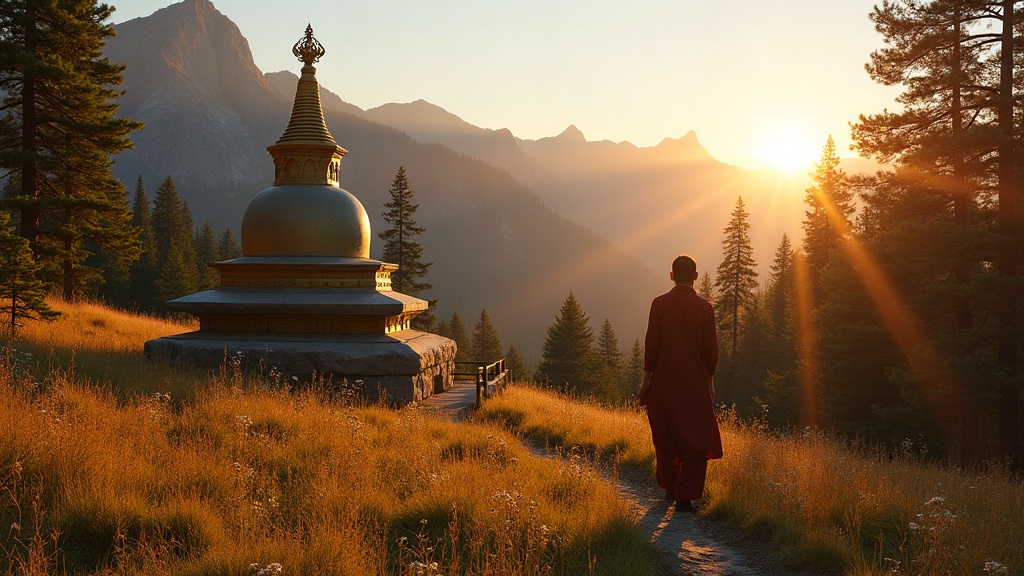
The cold surprises people. Even veteran meditators forget how challenging it is to sit still when you're chilly. The beauty surprises people too—the way the Stupa glows at sunset, the quality of stars, the sudden appearance of elk on the ridge.
And finally: the simplicity. There's genuinely nothing to do here but practice, eat, sleep, and walk. For many people, that's exactly what makes it difficult. And exactly what makes it worth coming back.