Where You'll Stay at The Bhakti Center: A Guide to Accommodations
Where You'll Stay at The Bhakti Center: A Guide to Accommodations
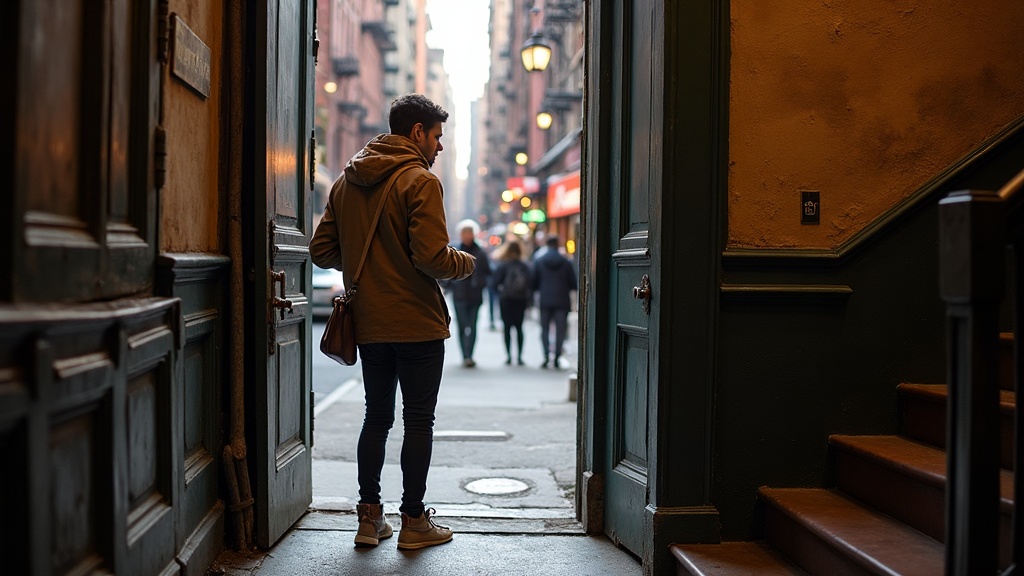
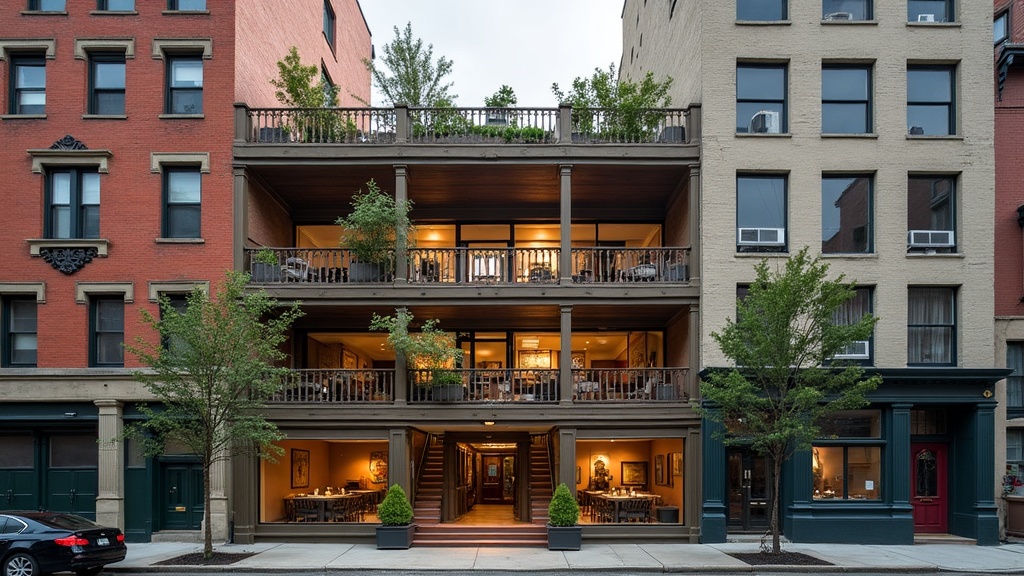
Here's something important to know right away: The Bhakti Center doesn't offer overnight accommodations. This isn't an ashram or retreat center with beds—it's a kirtan temple in Manhattan's East Village, tucked into a basement on First Avenue. You come for evening chanting sessions, stay for a few hours, and then head back to wherever you're sleeping in New York City.
But that doesn't mean the question of "where you'll stay" isn't worth addressing. If you're planning to attend kirtan regularly, coming from out of town, or integrating The Bhakti Center into a longer spiritual journey, you'll need to think strategically about your accommodations nearby.
Understanding Your Lodging Options
Since you'll be booking independently, you're looking at the full spectrum of New York City accommodation options. On the budget end: hostels in the East Village or Lower East Side run $40-70 per night for dorm beds. Expect bunk beds, shared bathrooms, lockers for valuables, and the typical hostel energy—which means noise, rotating neighbors, and little privacy, but also the possibility of community.
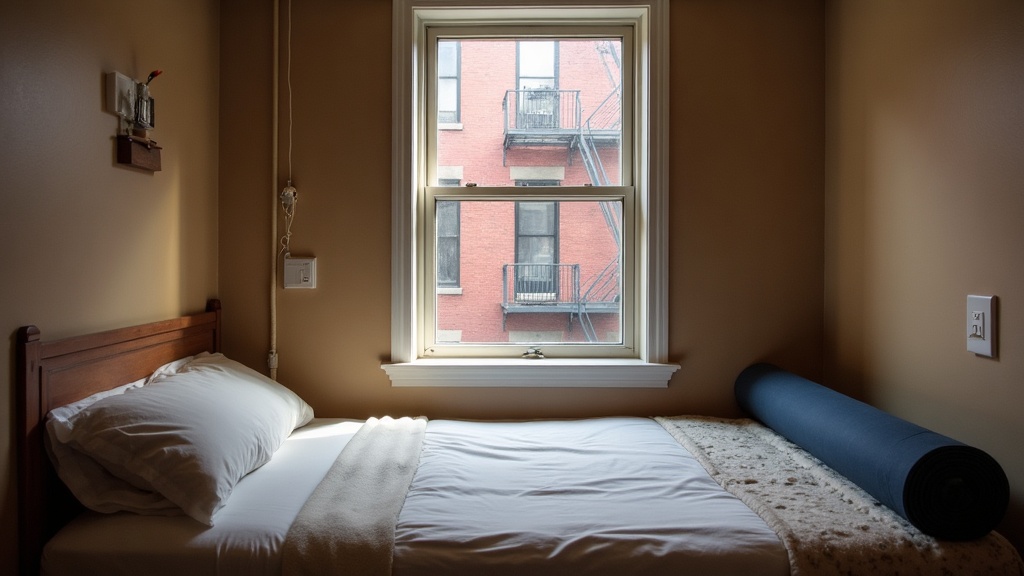
Mid-range hotels and guesthouses in the neighborhood start around $150-200 per night for a basic private room. You'll get your own bathroom, climate control that mostly works, and a door that locks. The rooms tend to be small by any standard except New York's, where a 150-square-foot room with space to fully open your suitcase counts as reasonable.
Upward from there, you're into boutique hotels where $300+ gets you aesthetics, better linens, and perhaps a quiet hallway.
The Honest Tradeoffs
The cheaper your room, the more your nervous system will be processing when you're trying to rest. Hostel dorms mean lights turning on at 3 a.m. when someone's catching an early flight, the particular snoring patterns of five strangers, heating systems that swing between arctic and tropical with no middle ground. Shared bathrooms mean timing your showers around everyone else's schedule and occasionally waiting.
Budget hotels in this part of Manhattan often mean street noise—delivery trucks before dawn, weekend nightlife, the general urban hum that never quite stops. Single-pane windows are common in older buildings. If you're coming to The Bhakti Center specifically because you're craving the quiet underneath the city's noise, spending your nights in a room where sirens and hydraulic bus brakes penetrate constantly creates a dissonance worth considering.
What to Look For
Location: Prioritize walking distance. The Bhakti Center's evening kirtans happen three nights weekly, and if you're attending multiple sessions, you don't want to be subway-dependent. A 10-15 minute walk gives you transition time—a way to move between the devotional space and your room without the jolt of crowded trains.
Quietness: Read recent reviews specifically mentioning noise levels. Search for "quiet" in the review section. In New York, a truly quiet room is worth paying for if you're doing any kind of spiritual practice that requires settling your mind.
Climate control: Individual room controls matter more than you'd think. You can't meditate or sleep well when you're too hot or too cold, and many older buildings have radiators you can't regulate.
Making It Work on a Budget
If you're committed to the cheaper options, bring earplugs, an eye mask, and consider the hostel experience part of the practice—another opportunity to find equanimity amid chaos. Book accommodations that include at least basic linens and towels; hauling your own through the city gets old fast.
Some longer-term visitors rent rooms through Airbnb or sublets, which can offer better value for week-long or month-long stays. You might find a quiet room in someone's apartment with kitchen access for a fraction of hotel costs.
The Real Question
Ultimately, where you stay depends on what you're coming for. If The Bhakti Center is one stop on a packed New York itinerary, a budget option makes sense. But if you're coming specifically for the kirtan—for that different register of sound, for the practice that's been continuous since the sixteenth century—consider investing in accommodations that let you carry that resonance home with you each evening, rather than immediately submerging back into the city's louder frequencies.