Becoming Through Choice: The Path of Self-Determination
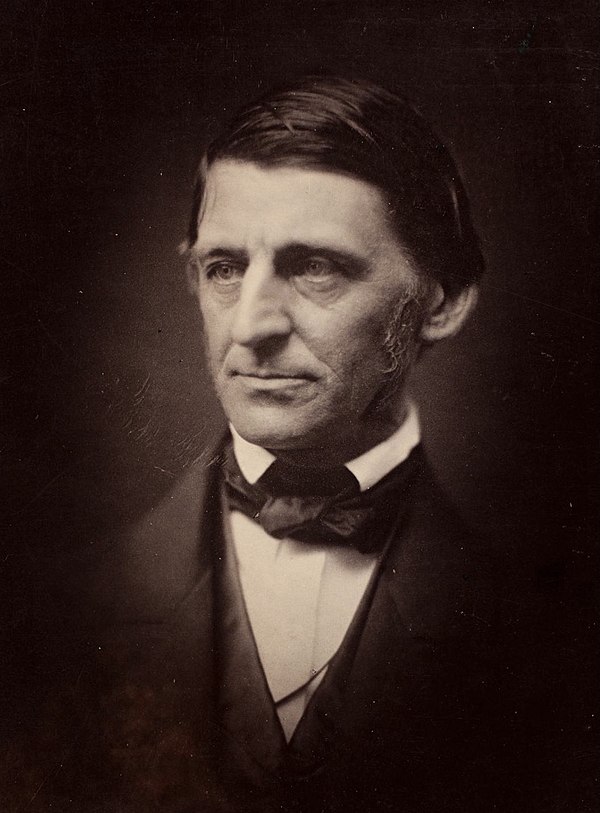
Ralph Waldo Emerson's assertion that "the only person you are destined to become is the person you decide to be" invites us to reflect on the profound power of choice in shaping our identities. This statement emphasizes that our destinies are not predetermined by external circumstances or societal expectations, but rather crafted through our conscious decisions and actions. In a world often filled with uncertainty and external pressures, this idea serves as a beacon of hope and empowerment, urging us to take ownership of our lives and embrace the potential for growth and transformation.
At its core, Emerson's quote challenges the notion of fate as a fixed path, suggesting instead that we are active participants in our own evolution. This perspective is particularly relevant in today's fast-paced society, where individuals frequently grapple with the weight of expectations and the fear of failure. By recognizing that our future selves are shaped by the choices we make today, we can cultivate a mindset that fosters resilience, creativity, and a commitment to personal development. The stakes are high; our decisions not only influence our own lives but also ripple out to affect those around us, making the cultivation of character and leadership all the more essential.
The image / the metaphor
The imagery in Emerson's quote evokes a sense of agency and responsibility, suggesting that the act of deciding is a powerful catalyst for change. The phrase "the only person you are destined to become" implies a singularity of purpose, while "the person you decide to be" emphasizes the active role we play in our own lives. This duality of destiny and choice creates a felt sense of empowerment, inviting us to envision our potential as a canvas upon which we can paint our aspirations and values.
Diving deeper into the metaphor, we can see that Emerson is not merely speaking of superficial choices but rather the profound decisions that shape our character and essence. The word "decide" carries weight; it suggests a deliberation that goes beyond whimsy, calling for introspection and commitment. In this light, the quote becomes a call to action, urging us to engage in a continuous process of self-discovery and self-definition, where each choice is a brushstroke in the masterpiece of our lives.
In the speaker's tradition
Emerson's philosophy is deeply rooted in the transcendentalist tradition, which emphasizes the inherent goodness of people and the importance of individual intuition and self-reliance. This aligns closely with concepts such as dharma in Eastern philosophies, where one's duty and path are determined by personal choices and moral integrity. Emerson believed that each individual possesses an inner light, a guiding force that can lead them toward their true self, echoing the idea of prajna, or wisdom, in Buddhist thought, which encourages individuals to seek their own understanding and path.
In his essay "Self-Reliance," Emerson elaborates on the importance of trusting oneself and the unique journey each person must undertake. He writes, "Trust thyself: every heart vibrates to that iron string." This sentiment reinforces the idea that our destinies are not merely handed to us but are forged through the courage to make choices that resonate with our authentic selves. By embracing this philosophy, we can cultivate a deeper understanding of our potential and the impact of our decisions on our lives and the lives of others.
Living the teaching
Consider a modern scenario where this teaching resonates: a young professional at a crossroads in their career. Faced with the pressure to conform to societal expectations of success, they grapple with the decision to pursue a passion that may not align with conventional definitions of achievement. By embracing Emerson's message, this individual recognizes that their true destiny lies not in following a prescribed path but in choosing to pursue what genuinely fulfills them. This decision, while daunting, becomes a pivotal moment of self-definition, illustrating the transformative power of choice.
In a different context, imagine a relationship that has become strained due to misunderstandings and unspoken grievances. Here, the application of Emerson's teaching can manifest as a conscious decision to communicate openly and authentically. By choosing to engage in honest dialogue, both partners take responsibility for their roles in the relationship, fostering growth and connection. This choice to prioritize understanding over defensiveness not only transforms the dynamic between them but also reflects the essence of leadership in personal relationships—leading with vulnerability and intention.
A reflection
As we contemplate Emerson's profound assertion, we are invited to ask ourselves: What choices am I making today that will shape the person I become tomorrow? This question encourages a deep introspection about our values, aspirations, and the paths we are currently on. By reflecting on our decisions and their alignment with our true selves, we can begin to navigate our lives with greater intention and purpose, ultimately becoming the individuals we are destined to be.


