
Sri Sri Ravi Shankar's Teaching: Approach, Method, and Voice
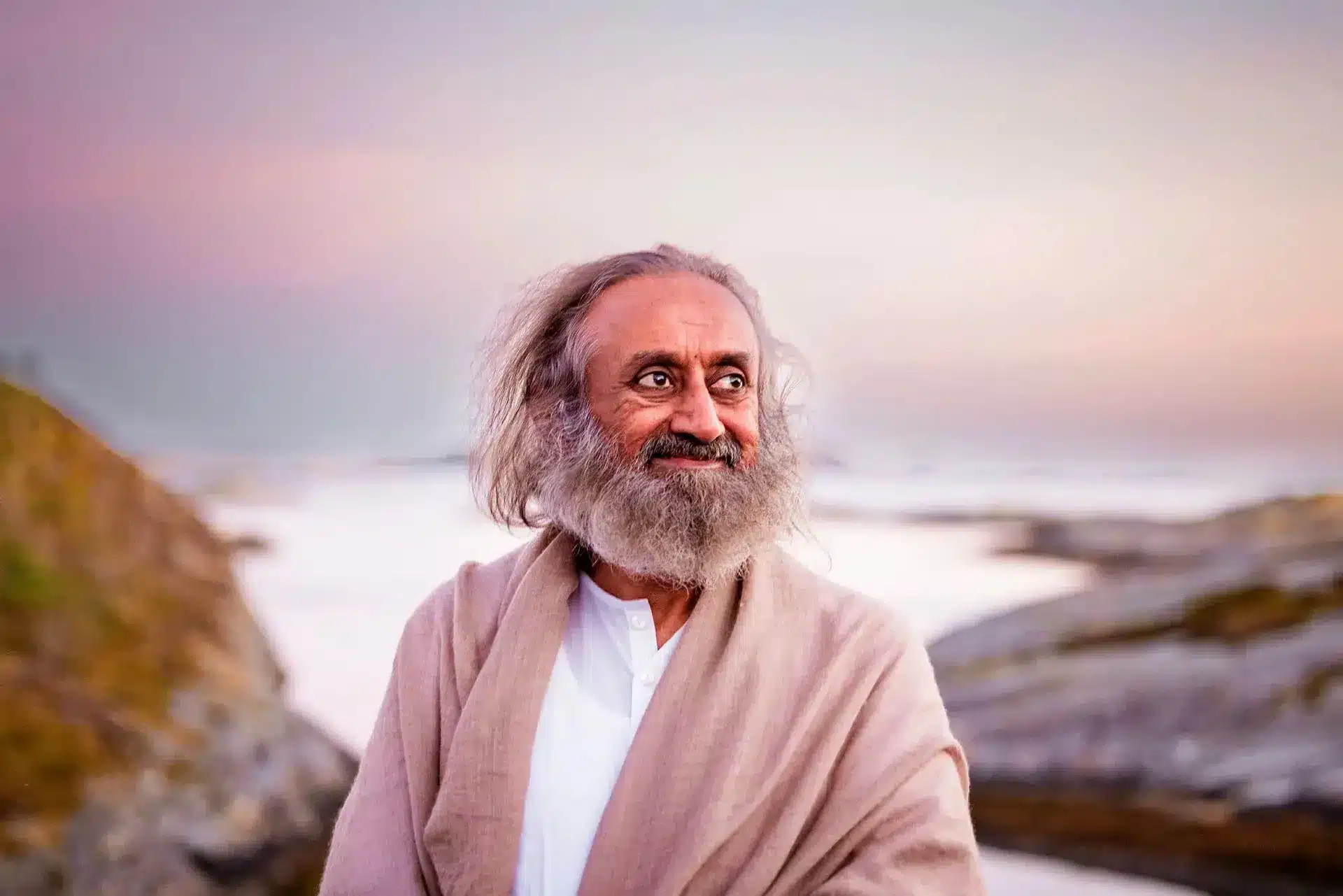
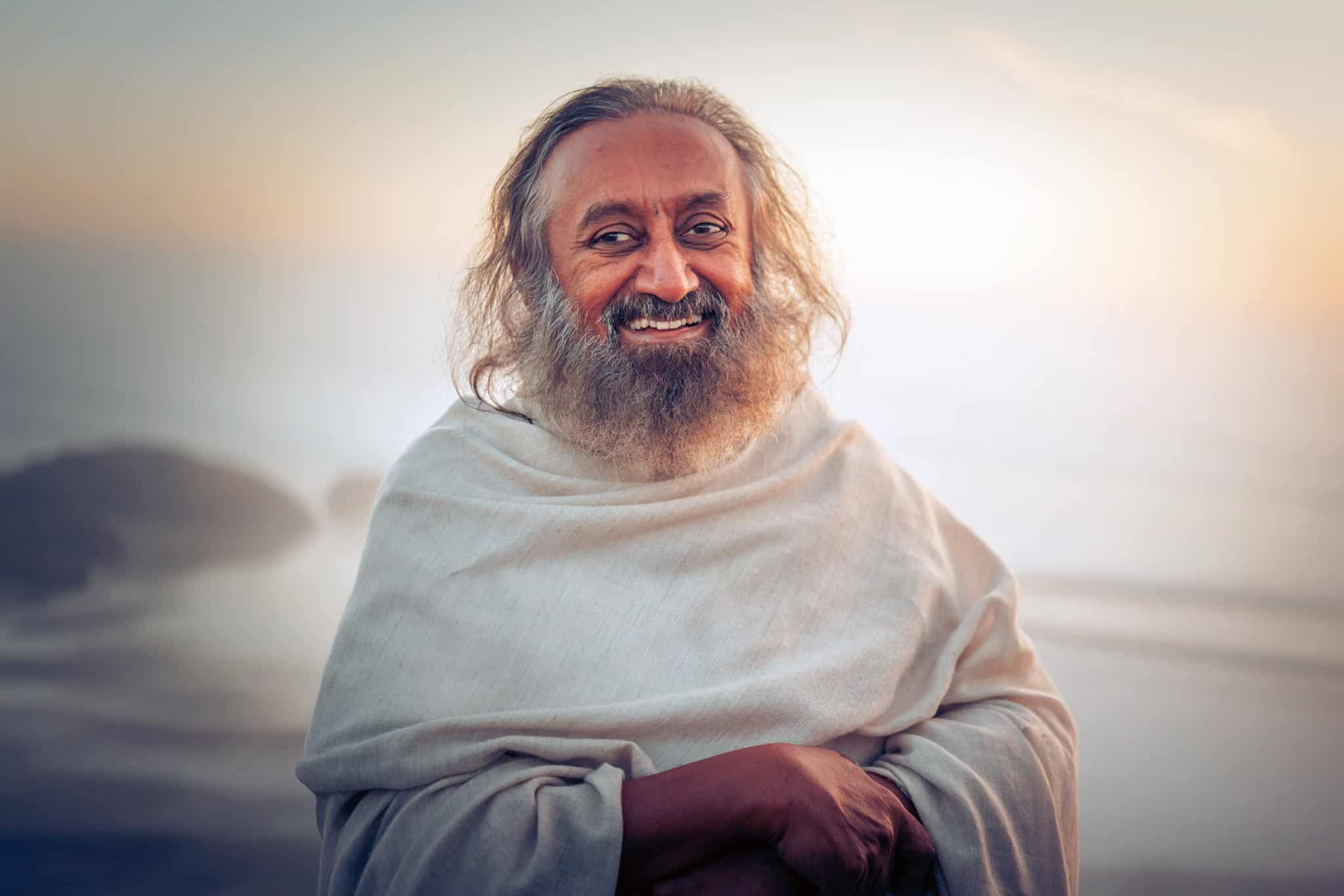
A typical session with Sri Sri Ravi Shankar unfolds with a particular rhythm. He enters, often in flowing white robes, and the room settles into silence. What follows rarely resembles a lecture. Instead, there's a looseness to the structure—a question-and-answer format that meanders between metaphysics and practical advice, between Sanskrit aphorisms and contemporary concerns about workplace stress. He might spend five minutes on the nature of consciousness, then pivot to relationship difficulties, treating both with the same matter-of-fact clarity. His retreats, which can span several days, layer breathing practices (particularly the Sudarshan Kriya technique he developed) with meditation, movement, and these discursive sessions where participants ask anything and he responds with what appears to be unrehearsed spontaneity.
The atmosphere is devotional without being oppressively so. There's music, there's chanting, there are moments when participants are clearly viewing him as guru in the traditional sense—someone whose presence itself transmits something beyond words. Yet he'll crack a joke mid-discourse, undercut solemnity with a sideways observation about human nature, and redirect attention away from his person toward the practices themselves. The overall feeling is one of studied informality, a deliberate casualness that sits atop a very organized institutional structure.
The Core Themes
Certain ideas surface again and again in his teaching. The breath as a bridge between body and mind appears constantly—not as metaphor but as literal technology. He returns repeatedly to the notion that techniques matter more than philosophy, that five minutes of actual practice outweighs hours of spiritual theorizing. There's an insistence on joy as the natural human state, with stress and suffering positioned as departures from our baseline rather than fundamental conditions.
He speaks frequently about "seva," or selfless service, framing spiritual development as inseparable from social engagement. The Art of Living Foundation's humanitarian projects—conflict resolution initiatives, rural development programs, trauma relief efforts—aren't presented as adjuncts to the teaching but as integral expressions of it. Another recurring theme is the integration of ancient wisdom with modern life; he positions Vedic knowledge not as historical artifact but as living technology applicable to contemporary psychological and social problems.
The Questions He Poses
Sri Sri Ravi Shankar tends not to push students into prolonged inquiry in the Zen koan style. His questions are gentler, more rhetorical: "What is it in you that doesn't change?" "Can you observe your mind without identifying with its contents?" These aren't presented as puzzles to wrestle with for months but as doorways to immediate recognition. He's more likely to ask, "Are you holding onto anything unnecessarily?" than to assign rigorous self-examination homework.
The teaching assumes that insight can be sudden, that relaxation itself is a valid spiritual path, that you don't need to excavate years of psychological material to access peace. This approach implicitly asks: What if transformation doesn't require as much struggle as you think?
Delivery and Aesthetic
His speaking style blends several registers. There's the scriptural reference—a verse from the Bhagavad Gita, an Upanishadic teaching, a Yoga Sutra—delivered with the assumption of their authority. There's the folksy wisdom, often couched in simple metaphors about trees, rivers, children. There's humor, deployed strategically to puncture pretension or shift energy in the room. Silence appears, but not the thick, challenging silence of some Zen or Vipassana contexts; rather, brief pauses for practice or integration.
Stories feature prominently, drawn from mythology, from his travels, from the lives of other masters. The overall aesthetic is warm rather than austere, inclusive rather than demanding. He rarely challenges students directly or employs the fierce compassion associated with some lineages. The teaching voice is avuncular, reassuring, gently prodding rather than confrontational.
Who It Serves, Who It Doesn't
This teaching lands most naturally for those seeking relief from the pressures of modern life without abandoning that life entirely. It appeals to people wanting structured techniques and clear benefits—better stress management, improved relationships, a sense of meaning—rather than those drawn to the edges of consciousness or deconstructive inquiry. The devotional element attracts those comfortable with guru-student relationships, while the practical emphasis keeps it accessible to skeptics willing to try the techniques.
It may bounce off those seeking intellectual rigor in their spiritual inquiry, or those suspicious of large organizations with charismatic leaders. The optimistic tone, the emphasis on quick-access peace, can feel superficial to practitioners accustomed to traditions that valorize difficulty and doubt as necessary crucibles.
The Lineage
Sri Sri Ravi Shankar emerges from the Vedic tradition as filtered through modern Hindu reformism. His early training with Maharishi Mahesh Yogi locates him in a particular twentieth-century current that packaged Eastern wisdom for Western consumption. Yet his teaching extends beyond that inheritance, incorporating yoga, service, and community-building in ways that create something distinct—a globalized Vedanta adapted for householders, pragmatic without being stripped of devotional content, rooted in tradition while responsive to contemporary needs.