
Where to Start with Ajeet: A Beginner's Guide
Start here: "La Luz" (2026)
Begin with Ajeet's album La Luz. At seven tracks, it offers a complete introduction without overwhelming you. This isn't background music—La Luz demands your presence. The album moves between Sanskrit mantras and devotional melodies rooted in folk traditions, each track building a container for something to shift inside you. You'll hear how Ajeet uses repetition not as monotony but as invitation, each cycle of a chant peeling back another layer. The production is clean enough for headphones but warm enough to feel handmade.
Expect your first listen to feel unfamiliar. If you don't speak Sanskrit, you won't understand the literal meanings, and that's intentional. Ajeet's work operates below language. Notice what happens in your chest, your breath, your restlessness. Some tracks will feel too long until suddenly they feel exactly right.
After that: "Return" and "Azadi"
Once La Luz settles in, move to the single "Return." Its two tracks demonstrate Ajeet's range—one piece likely more meditative, the other possibly more rhythmically alive. Singles in devotional music often serve as concentrated transmissions, and "Return" will show you how Ajeet works when he's distilling rather than expanding.
Then listen to "Azadi" (which means "freedom" in several South Asian languages). With three tracks, this single gives you space to see how Ajeet approaches themes beyond the purely devotional. His work isn't escapist spirituality—it engages with liberation, struggle, and the world as it is.
What beginners misunderstand
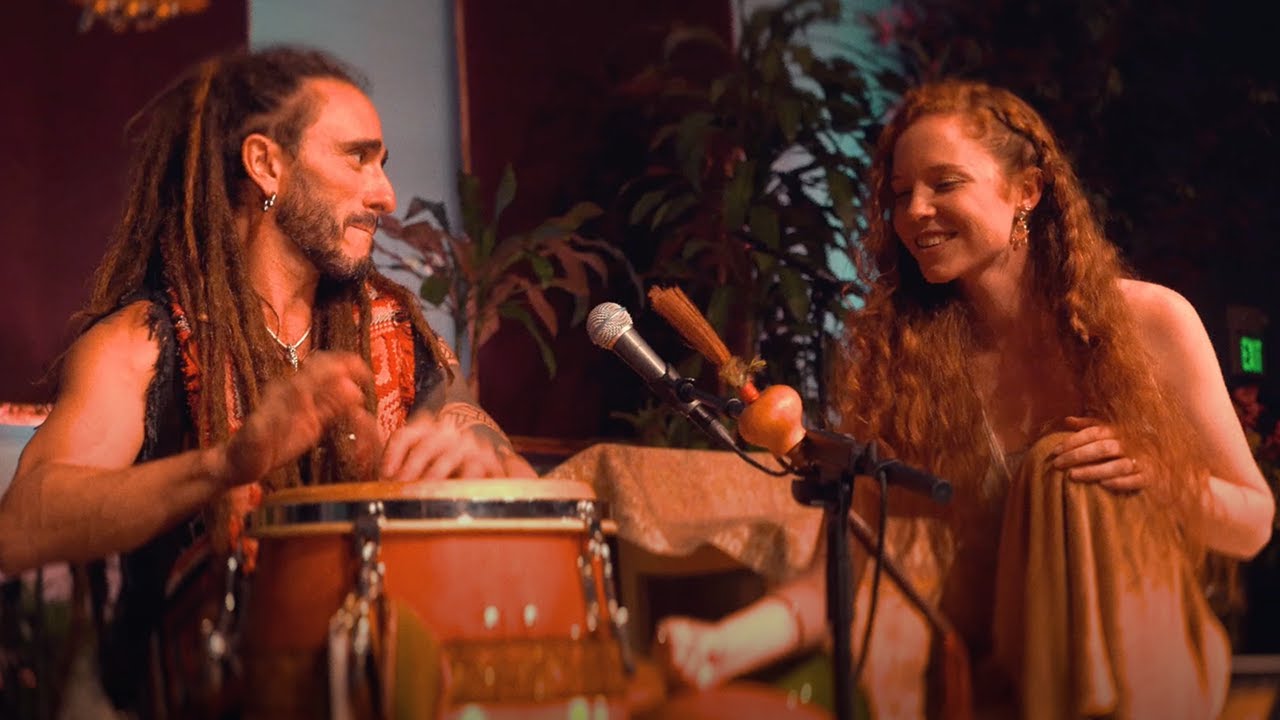
The most common mistake is treating Ajeet like ambient music for yoga class. You can certainly use it that way, but you'll miss what makes his work distinct. This is participatory music. In the kirtan tradition, the leader chants and the community responds. Even listening alone, you're meant to join—whether aloud or internally. The recordings are documentation of a living practice, not just finished products.
Another misunderstanding: assuming all tracks do the same thing. Sacred music operates across a spectrum. Some pieces are meant to energize, others to dissolve, others to hold you steady while something processes. Don't expect "Find Your Way" to have the same effect as "Women of the Waters."
People also mistake simplicity for lack of sophistication. Ajeet's arrangements often rest on a few chords, repeated phrases, minimal instrumentation. This is precision, not limitation. In sound healing and mantra work, you're not trying to impress the mind—you're trying to bypass it.
When this work lands hardest
Ajeet's music finds you during transitions. When you're between identities—after a relationship ends, a career shift, a geographical move, a loss. When meditation feels inaccessible but you need something more than distraction. When you're exhausted by the self-improvement complex but still hungry for transformation. When regular music feels too stimulating or too empty.
It also lands during moments of unexpected opening—falling in love, experiencing nature in a way that cracks you open, or simply waking up one morning with your defenses temporarily down.
You don't need to be "spiritual" or know anything about Kundalini yoga. You just need to be willing to sit with sound as medicine rather than entertainment.
A one-week starter plan
Days 1-3: Listen to La Luz once daily, ideally same time, same posture (sitting upright, eyes closed or softly focused). Don't multitask. Notice which tracks you want to skip and sit with them anyway.
Day 4: Listen to "Return" twice through. Journal afterward if that's your tendency, but don't analyze—just note physical sensations and emotional weather.
Day 5: Put "Azadi" on and move. Let your body respond however it wants. This isn't choreographed dance—just letting sound move through you.
Days 6-7: Return to your favorite track from La Luz. Listen on repeat for 20-30 minutes. This is closer to how kirtan actually works—riding one chant until it takes you somewhere.
By week's end, you'll know whether Ajeet's work resonates. If it does, you've found a practice, not just a playlist.