Where You'll Stay at Spirit Rock Meditation Center: A Guide to Accommodations
Where You'll Stay at Spirit Rock Meditation Center: A Guide to Accommodations
Choosing where to sleep at Spirit Rock isn't like booking a hotel. The center's accommodations reflect its mission: simple, functional spaces designed to support your practice rather than pamper you. Understanding the options—and their tradeoffs—will help you decide what matters most for your retreat.
Room Categories: What You're Actually Choosing
Spirit Rock typically offers three accommodation tiers: dormitory, standard, and deluxe. The pricing structure isn't arbitrary—it's designed to make retreats financially accessible while allowing those who can pay more to support others through the center's scholarship fund.
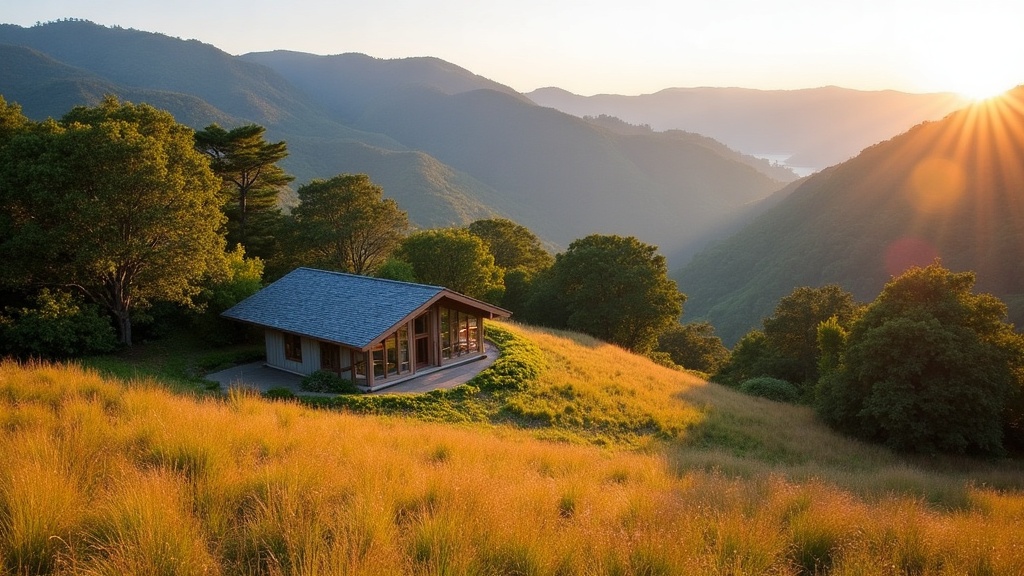
Dormitory rooms are the most affordable option, usually housing four to eight practitioners in bunk beds or single beds arranged in a shared space. Standard rooms are typically doubles with two single beds, offering more privacy without the premium price tag. Deluxe accommodations are private singles, sometimes with slightly more square footage or better views of the surrounding hills.
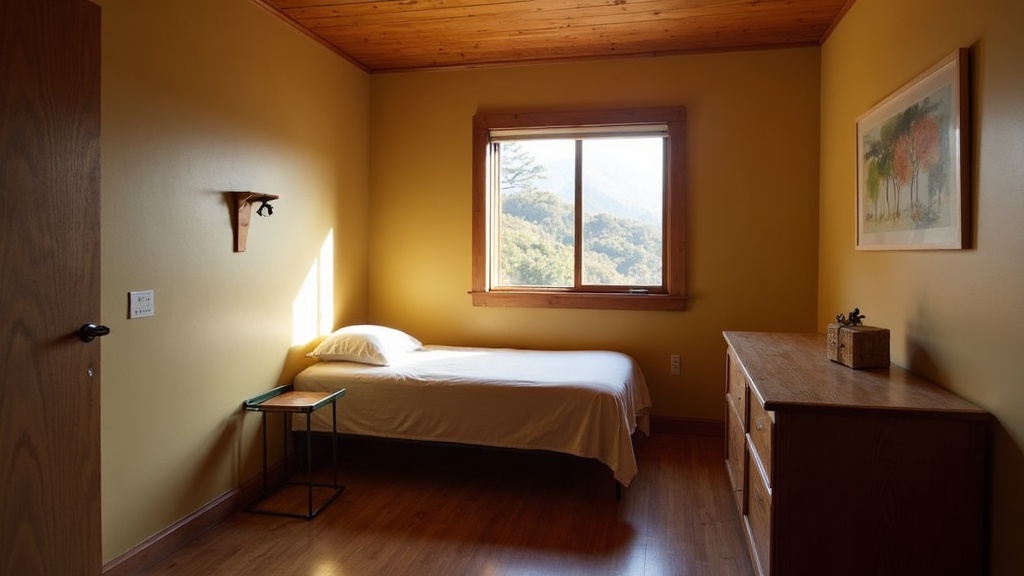
The price difference can be substantial—sometimes two or three times more for a single room than a dorm bed. But you're not paying for luxury. Even deluxe rooms at Spirit Rock remain spare: a bed, a small dresser, a chair. The upgrade buys you silence and solitude when the meditation hall empties, not thread count or amenities.
What's Included (and What Isn't)
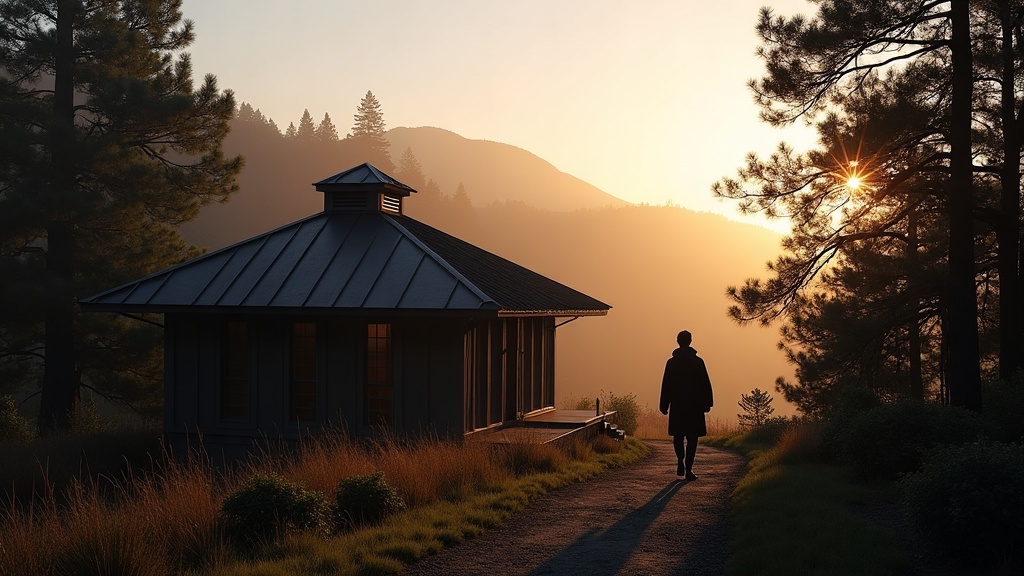
Every room comes with a bed and basic furniture. That's about where the consistency ends. What you won't find: televisions, phones, clocks, mirrors (in many cases), or decorative flourishes. The aesthetic is intentionally plain—beige walls, simple wood furniture, windows that frame oak and madrone rather than serve as design features.
Most rooms provide adequate heating but minimal cooling. Marin can surprise you—foggy and cold in summer mornings, unexpectedly warm by afternoon. The lack of air conditioning in many buildings means deluxe doesn't necessarily mean comfortable if you're heat-sensitive and visiting during an Indian summer stretch.
The Bathroom Question
This is where accommodation choices get real. Dormitory residents almost always share bathrooms down the hall—sometimes one or two bathrooms serving a dozen people. Standard rooms vary; some have private bathrooms, others share facilities with one adjacent room or use hall bathrooms.
Deluxe rooms typically include private bathrooms, though "private" at a meditation center still means simple: a toilet, sink, and shower with basic fixtures and adequate water pressure. The morning rush is real in shared bathroom situations. When you're maintaining noble silence and trying to respect others' practice, navigating three people who all want to shower before 6:30 a.m. meditation requires patience that may feel more challenging than the sitting itself.
Linens, Climate, and Practical Considerations
Spirit Rock provides linens and towels, though quality is utilitarian—clean and sufficient, not plush. Rooms have heating, but bring layers. The hillside location means temperatures can drop significantly at night, even in summer. Windows often don't seal perfectly, and you'll hear the wind moving through the oaks.
Hallway Dynamics and Neighbor Reality
The center maintains noble silence during retreats, but silence doesn't mean soundlessness. Footsteps echo in hallways. Doors click shut. Someone always seems to have a cough. In dorms, you'll hear breathing, shifting, the occasional snore. Standard rooms with shared walls mean you're aware of neighbors' schedules—when they turn in, when they rise for early sitting.
Deluxe rooms, often positioned at hallway ends or in quieter buildings, offer genuine auditory privacy. For light sleepers or those easily disturbed, this matters more than any other amenity.
Choosing What's Right for Your Retreat
Consider what actually disrupts your practice. If communal living energizes you or financial accessibility is crucial, dorms work fine. Many experienced practitioners prefer them, finding community even in silence. If you're new to meditation or know that sleep disruption derails your capacity to sit, the single-room investment may be essential rather than indulgent.
The honest tradeoff: Cheaper rooms mean less control over your immediate environment but often place you closer to the retreat's communal heart. Premium rooms offer refuge but can feel isolating. Neither choice makes you a better practitioner. Choose based on self-knowledge, not aspiration. The best accommodation is the one that lets you actually do the work you came for.