Your First Visit to Sivananda Yoga Ranch: What to Expect
Your First Visit to Sivananda Yoga Ranch: What to Expect
Arriving at the Ranch
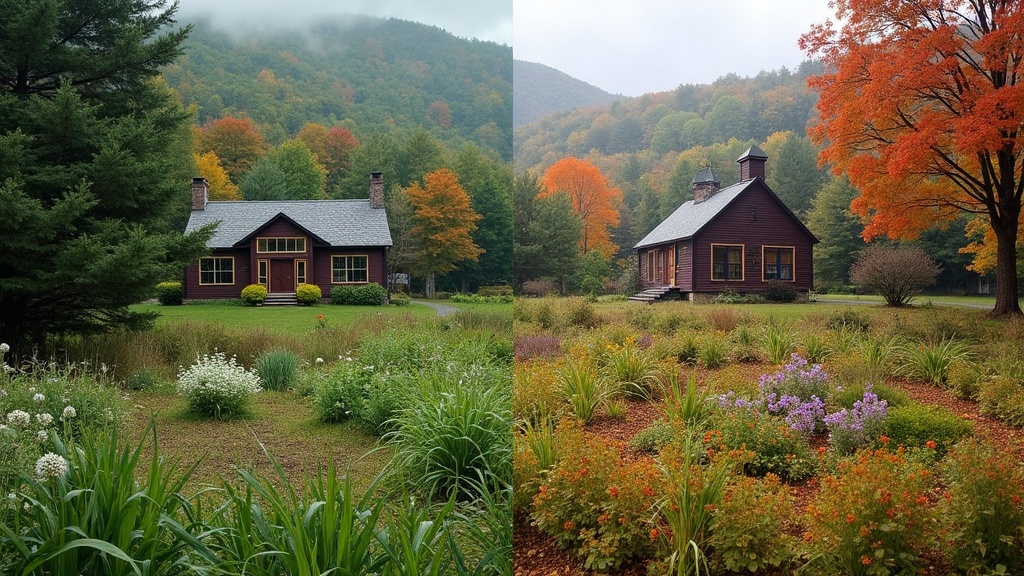
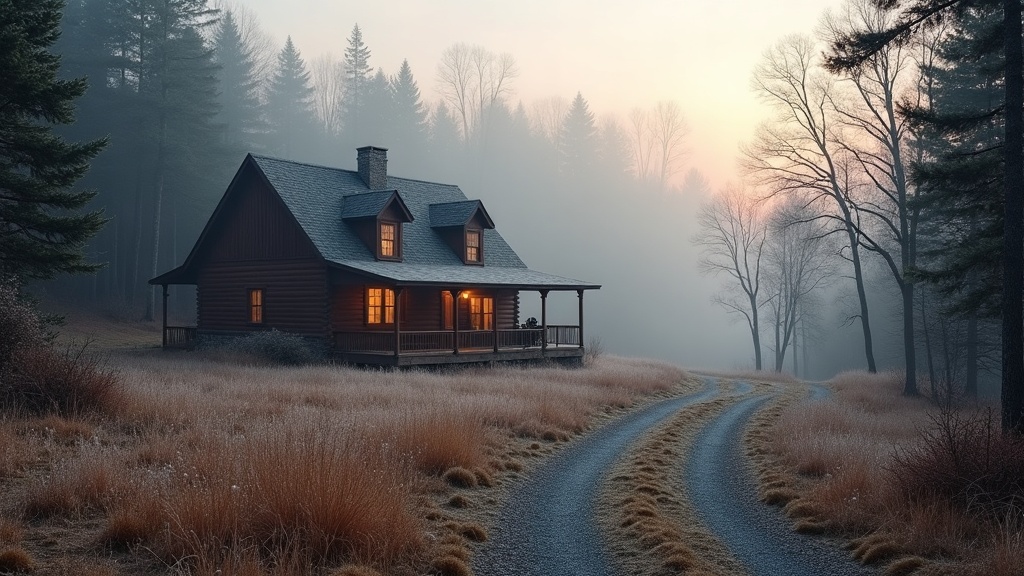
The Sivananda Yoga Ranch sits in the rolling hills of Woodbourne, New York, about two hours northwest of Manhattan. If you're driving, you'll turn off the main road onto a tree-lined drive that immediately signals a shift from the outside world. Park in the designated area and make your way to the main building—you'll likely see people in comfortable clothes moving between buildings, some in silence, others chatting quietly.
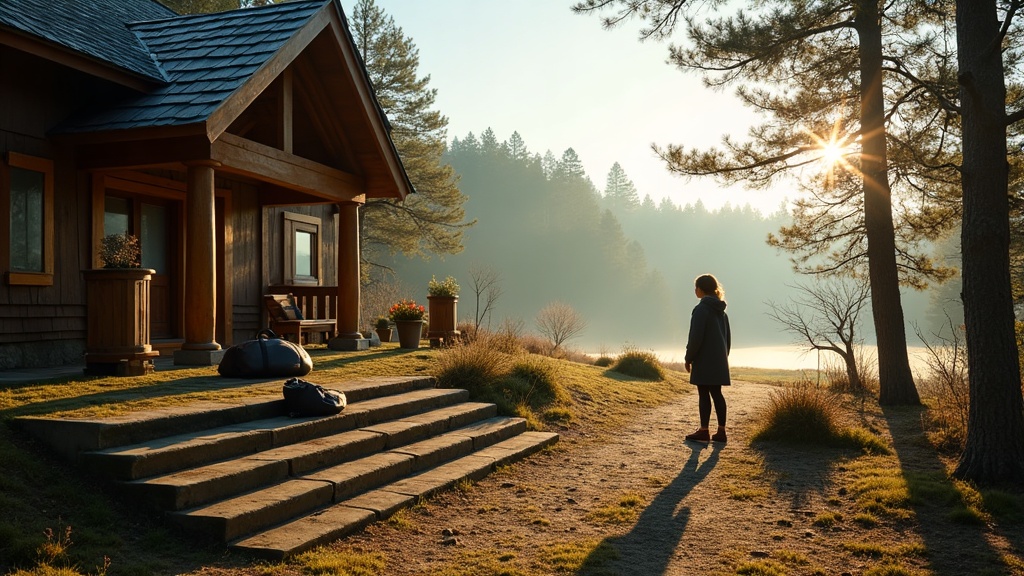
Check-in typically happens in the afternoon, and the atmosphere is unhurried but organized. You'll be greeted by karma yogis (volunteers) or staff members who will orient you to the basics: where your room is, when dinner begins, and what time the evening program starts. This is a good moment to ask any questions, though you'll find that part of the Ranch's teaching is allowing things to unfold naturally. You'll receive a schedule and be shown to your accommodation. Many first-timers feel a mixture of excitement and slight disorientation—this is normal. The rhythm will make sense soon enough.
The Daily Rhythm
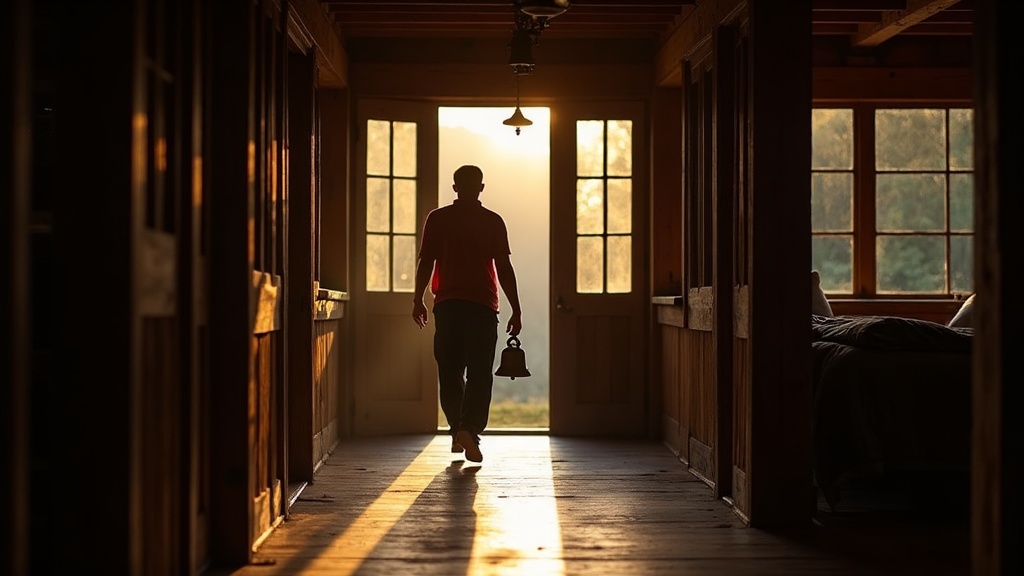
Life at the Ranch follows the traditional Sivananda schedule, and it starts early. Expect a bell or gong around 5:30 a.m. to wake you for meditation and satsang (spiritual gathering) at 6:00 a.m. in the temple or main hall. This includes silent meditation, chanting, and sometimes a brief talk. Even if you've never meditated before, you simply sit and do your best—no one is watching or judging.
Breakfast follows at 8:00 a.m., and then you'll have time for karma yoga (selfless service), which might mean helping in the kitchen, garden, or with housekeeping for an hour or so. The morning asana (yoga postures) class typically runs from 10:00 a.m. to noon. This is a classical Sivananda class: the same twelve basic postures done in sequence, with variations depending on your level. It's gentle but thorough, and the repetition becomes meditative.
Lunch is around 12:30 p.m., followed by free time in the afternoon—often several hours. This is yours to read, walk the grounds, nap, journal, or simply be. Evening satsang happens around 6:00 p.m., with dinner following at 8:00 p.m. Lights are often out by 10:30 p.m., which feels shockingly early until you realize how deeply you sleep here.
Accommodations
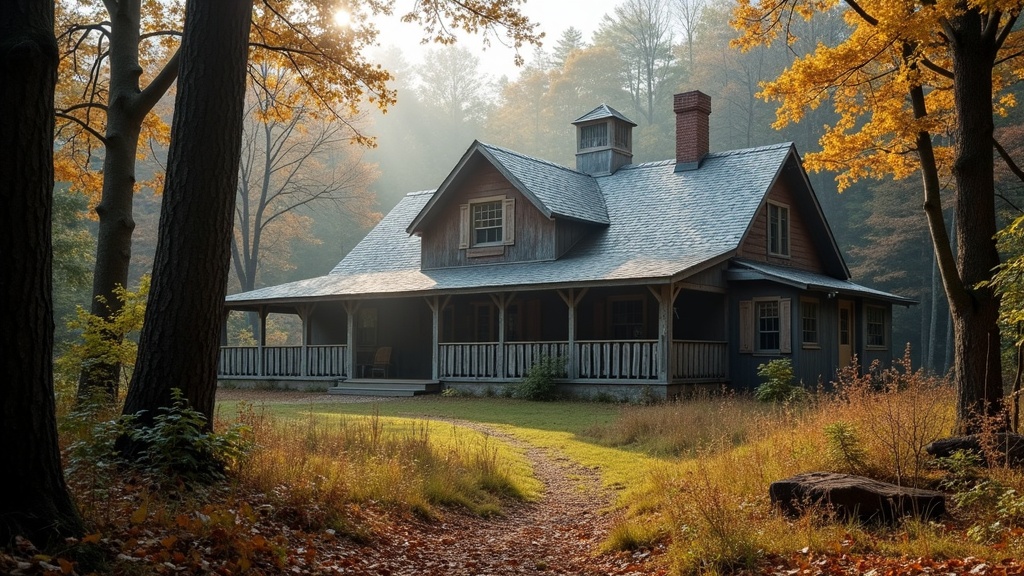
The rooms at the Ranch are simple and functional—think summer camp meets ashram. If you're in a shared room, expect bunk beds or twin beds, basic wooden furniture, and minimal decoration. Private rooms exist but are similarly spare. There's no television, no phone in the room, and often no frills beyond a bed, a place to put your things, and shared bathroom facilities down the hall.
This simplicity is intentional. The rooms are clean and adequate, but they're not where you're meant to spend your time. The point is to release the need for luxury and focus inward. Bring a good book light if you read before bed, and consider earplugs if you're a light sleeper—wooden buildings carry sound.
The Food
Meals at the Yoga Ranch are vegetarian, often vegan, and prepared in the yogic tradition: fresh, sattvic (pure), and surprisingly delicious. Breakfast might be oatmeal, fruit, yogurt, and herbal tea. Lunch is the main meal—think hearty dishes like dal, rice, roasted vegetables, salad, and homemade bread. Dinner is lighter: soup, salad, perhaps a grain dish.
Everything is served buffet-style, and meals are eaten in silence or near-silence, which first-timers often find strange and then strangely peaceful. There's no coffee (this surprises many people), though you can usually find herbal tea. The food is fuel, not entertainment, but it's nourishing and made with care. If you have dietary restrictions, let the kitchen know at check-in—they're generally accommodating.
What to Pack (and What to Leave Behind)
Bring comfortable, modest clothing for yoga and meditation—loose pants, layers for temperature changes, and something warm for evening. The Ranch is casual; you'll see people in yoga clothes most of the day. Pack toiletries, any medications, a water bottle, a journal, and books if you read. A flashlight or headlamp is useful for evening walks.
What not to bring: alcohol, drugs, meat, or strong expectations. Also reconsider bringing work. Many people bring laptops "just in case" and never open them. The Ranch has spotty cell service in some areas, which is partly intentional. If you must stay connected, there are areas with better reception, but you're encouraged to disconnect.
Unspoken Etiquette
Silence is observed at certain times—always during meals, often in the early morning, and in designated quiet areas. Even when speech is allowed, conversations tend to be soft and minimal. This isn't unfriendliness; it's practice.
Turn your phone off or keep it on silent. If you must use it, step away from communal spaces. The temple and meditation hall are especially sacred—enter quietly, remove shoes, sit with respect.
You're free to skip programs, rest in your room, or take walks, but if you attend a class or satsang, stay for its duration. Wandering in and out disrupts the collective energy. This isn't a resort where you sample activities; it's a practice environment with a rhythm you're invited to join.
The Honest Tradeoffs
First-timers are often surprised by how challenging the early mornings feel—and then how natural they become by day three. The silence can feel awkward initially, then becomes a relief. The lack of entertainment options forces you to face yourself, which is uncomfortable and clarifying.
The positive surprises: how deeply you sleep, how much tension you didn't know you were holding, how good simple food tastes when eaten mindfully, and how much kindness exists in a place where everyone is trying to be present.
The Yoga Ranch isn't for everyone, and that's okay. It asks you to set aside comfort and distraction in exchange for something subtler. If you come with curiosity rather than resistance, you'll likely leave changed in small, lasting ways.