Eating at Sanctuary Tulum: The Food Experience
Eating at Sanctuary Tulum: The Food Experience
At Sanctuary Tulum, food is medicine—literally. This isn't a metaphor whispered over açai bowls at a yoga retreat; it's the operational principle guiding every meal served to guests undertaking some of the most profound neurological and psychological work available in modern wellness. When your days involve plant medicine ceremonies and intensive therapeutic protocols, what you eat becomes as carefully calibrated as your dosing schedule.
The Philosophy: Feeding Transformation
The kitchen operates on Ayurvedic and plant-based principles, though calling it "vegetarian" understates the intention. This is functional nutrition designed to support neuroplasticity, gut healing, and integration work. The food philosophy recognizes that guests arrive with compromised systems—whether from addiction, pharmaceutical dependency, or chronic stress—and aims to provide the cleanest possible fuel for dramatic healing processes.
Johnny Tabaie's background in holistic medicine permeates the menu planning. Meals prioritize organic, locally-sourced ingredients that won't interfere with the powerful medicines guests are working with. There's no alcohol, no processed sugars, no inflammatory oils. But this isn't punitive asceticism; it's precision support for people doing extraordinarily demanding inner work.
A Day of Eating
Breakfast typically features fresh tropical fruits, house-made granola, chia puddings, and smoothie bowls rich with local ingredients like pitaya and mamey. Herbal teas and fresh coconut water flow freely. Eggs are sometimes available for those requiring more protein during their stay.
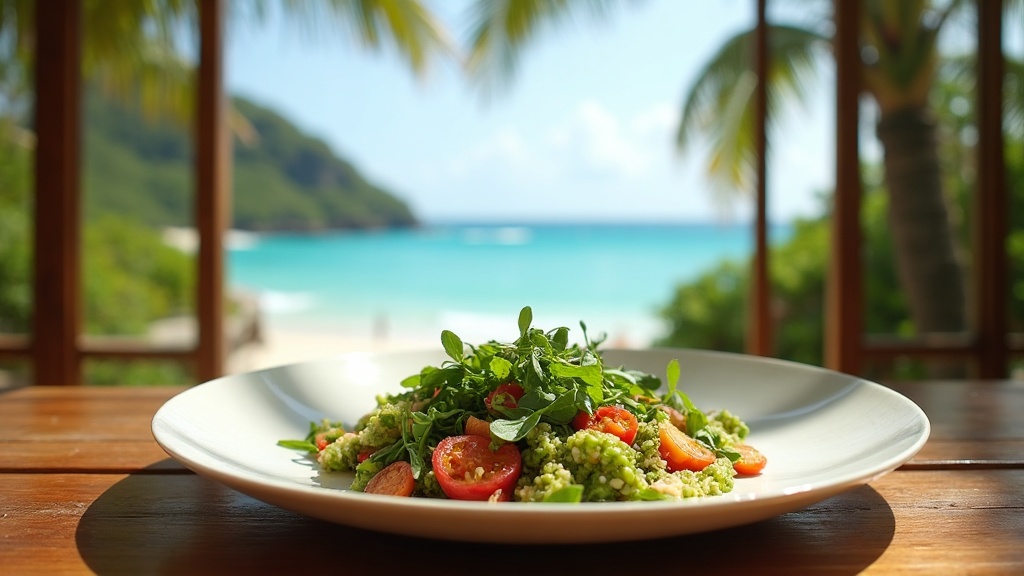
Lunch might include Buddha bowls with quinoa or wild rice, abundant vegetables both raw and roasted, house-made hummus, and creative salads that actually satisfy. The kitchen makes proper use of Yucatan's incredible produce—jicama, chayote, local greens you won't find anywhere else.
Dinner continues the theme with more substantial plant-based plates: lentil stews, vegetable curries calibrated to Ayurvedic principles, zucchini noodles with rich cashew sauces, roasted vegetables with tahini drizzles. Portions are generous enough to fuel healing but not so heavy they interfere with evening protocols or ceremony preparation.
The food is widely described as surprisingly good for a treatment facility. This isn't hospital cafeteria fare, but neither is it destination dining. It's thoughtful, clean, and considerably more satisfying than the austere meals found at many medicine retreats.
Where You Eat
Meals happen in a communal dining space that opens to Tulum's Caribbean views, though the atmosphere differs markedly from typical retreat centers. Because Sanctuary operates as a residential treatment facility rather than group retreat model, you might share mealtimes with only a handful of other guests. The vibe is intimate, quiet, sometimes intensely introspective—people are integrating profound experiences, not networking over napkins.
Accommodating Individual Needs
Given that many guests arrive with complex medical histories, the kitchen handles dietary restrictions with clinical competence. Gluten-free needs are standard protocol. Vegan requests are easily met since the baseline is already plant-based. Food allergies and sensitivities are documented during intake and communicated to kitchen staff as part of your treatment plan.
If you're working with specific protocols—certain supplements, particular timing requirements, post-Ibogaine nutritional needs—the kitchen coordinates with medical staff to support your individual program.
Between Meals
Fresh fruit, nuts, and herbal teas remain available throughout the day. The emphasis is on nourishment without stimulation—foods that stabilize rather than spike. You won't find bags of chips or candy bars, but you also won't go hungry between meals.
The Caffeine Reality
Here's where Sanctuary's medical orientation shows: there's no blanket caffeine prohibition. Unlike many retreat centers that eliminate coffee entirely, Sanctuary takes a more nuanced approach based on individual protocols and medical needs. Some guests are advised to avoid caffeine, particularly around certain ceremony days. Others may have moderate amounts. This isn't a place with espresso machines and cold brew on tap, but neither is it doctrinaire about complete elimination.
Special Programs
The kitchen occasionally offers cooking classes or nutrition education as part of integration programming, helping guests understand how to continue supportive eating practices after leaving. Some treatment tracks include specific nutritional protocols or supplementation programs that coordinate with meal timing.
The food at Sanctuary Tulum won't be the reason you come, but it proves itself as a surprisingly sophisticated supporting player in some of the most demanding transformative work humans can undertake.