Inside the Radiantly Alive Daily Schedule

Inside the Radiantly Alive Daily Schedule
The roosters announce dawn in Ubud, but at Radiantly Alive, your day begins more gently—with the soft sound of wind chimes and the rustle of jungle canopy overhead. The daily rhythm here follows an ancient pattern, one that synchronizes body and breath with Bali's natural cycles.
The Morning Rhythm: 6:00 AM - 10:00 AM
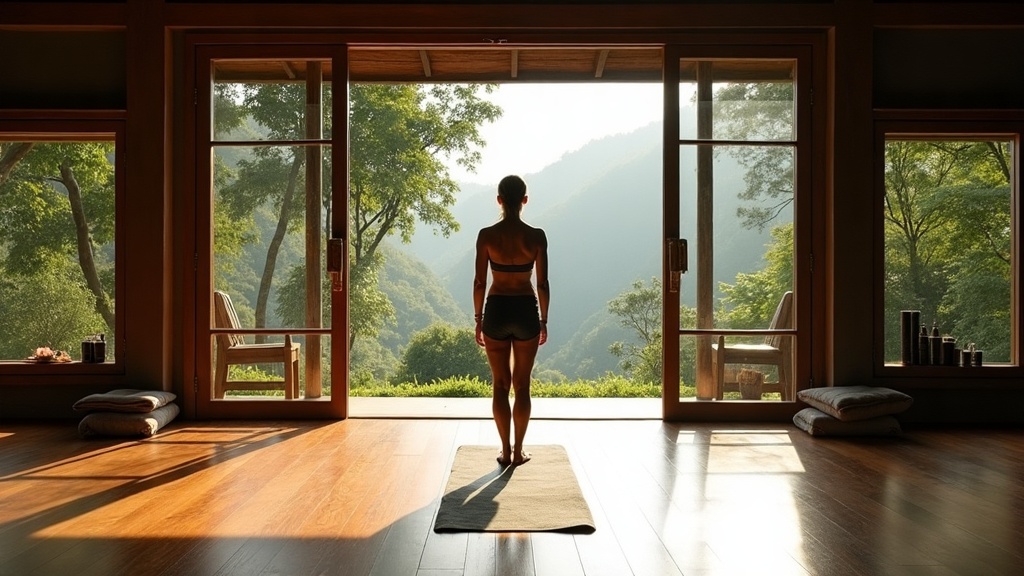
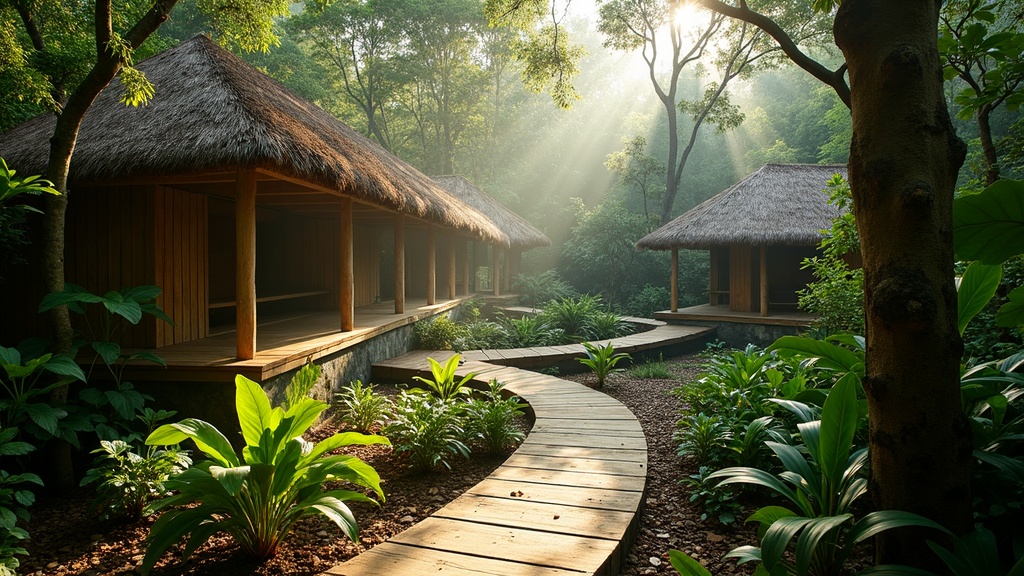
By 6:30 AM, students are settling onto their mats in the open-air jungle shala, where morning mist still clings to the bamboo railings. The first sitting meditation (6:30-7:00 AM) sets the day's intention—twenty minutes of stillness before the body begins to move. On Day 1, this silence feels long, almost confrontational. By Day 4, it's become a refuge.
Morning asana practice runs from 7:00 to 9:00 AM, and the style varies by program. Teacher training cohorts might dive into an intensive Ashtanga primary series, while retreat participants experience a flowing Vinyasa sequence that builds heat gradually, honoring bodies still waking up. The jungle provides the soundtrack: cicadas, distant gamelan music from nearby ceremonies, the occasional monkey rustling through nearby trees.
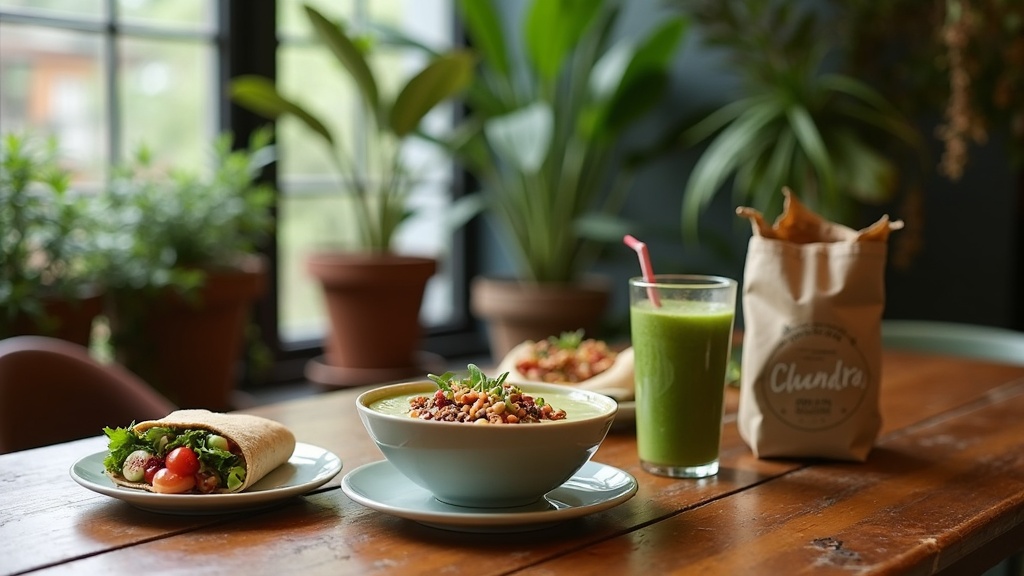
Breakfast follows at 9:15 AM—typically a vibrant spread of tropical fruit (dragonfruit, papaya, mangosteen), smoothie bowls topped with local granola, and traditional Indonesian dishes like bubur ayam (rice porridge) or nasi goreng adapted for yogic diets. Coffee drinkers get their Balinese kopi, while most reach for fresh young coconuts or turmeric-ginger shots.
Late Morning Sessions: 10:00 AM - 12:30 PM
This is when the educational component deepens. Teacher training students settle into anatomy workshops, philosophy discussions on the Yoga Sutras, or intensive pranayama sessions. The 10:00-11:30 AM block might cover breathwork techniques—Kapalabhati, Nadi Shodhana, or Bhastrika—practiced with increasing sophistication as the week progresses.
Retreat participants have more variety: perhaps a Yin Yoga workshop focusing on hip openers, an Iyengar-inspired alignment clinic, or an introduction to Kriya Yoga techniques. By late morning, the Balinese heat is building, and the shala's open design becomes essential—every breeze feels like grace.
Midday: Nourishment and Rest (12:30 PM - 3:30 PM)
Lunch at 12:30 PM is substantial: Buddha bowls with tempeh or grilled fish, gado-gado salads, fresh spring rolls, and always something surprising—perhaps jackfruit rendang or a deconstructed nasi campur. The kitchen sources from Ubud's organic markets, and meals accommodate vegan, vegetarian, and pescatarian preferences seamlessly.
The afternoon break is sacred. This is Bali time—time to sleep, journal in the garden, or wander into Ubud's center fifteen minutes away. Many students book optional private sessions during these hours: Balinese massage at nearby spas, private adjustments with senior teachers, or sound healing sessions using Tibetan bowls and gongs.
Afternoon Practice: 3:30 PM - 6:00 PM
The 4:00 PM session offers gentler modalities. Restorative Yoga with bolsters and blocks, Kundalini kriyas that move energy differently than morning's Yang practice, or Qigong sessions that introduce a complementary movement vocabulary. Some programs schedule free practice time here, where students can explore personal sequences while teachers circulate offering guidance.
Optional workshops (4:30-6:00 PM) might include Thai massage training, arm balance clinics, or deeper dives into specific traditions. Teacher training students use this time for teaching practice, nervously leading their peers through sequences while receiving real-time feedback.
Evening: Integration and Closure (6:00 PM - 9:00 PM)
Dinner at 6:30 PM is lighter—soups, salads, grilled vegetables—designed not to weigh down bodies before evening practice. By 7:30 PM, students return to the shala for the day's closing practice: Yoga Nidra (yogic sleep), guided meditation, or sound healing sessions where Rafael or visiting facilitators create sonic landscapes with crystal bowls, gongs, and voice.
The final circle (8:30-9:00 PM) invites sharing. Early in the program, voices are tentative. By week's end, stories flow—of breakthroughs, frustrations, glimpses of something larger.
Program Variations
Intensive teacher trainings maintain this structure rigidly—200-hour certifications require consistent attendance and homework between sessions. Weekend workshops condense the rhythm into two days, while week-long retreats allow more spaciousness and optional components. Drop-in students can attend individual classes (morning, afternoon, or evening) without the full immersion structure.
By Day 4, the schedule no longer feels external. Your body wakes before the alarm. The jungle shala becomes home. And the rhythm that seemed so foreign on arrival now feels like remembering something you'd simply forgotten.