Eating at Monte Velho: The Food Experience
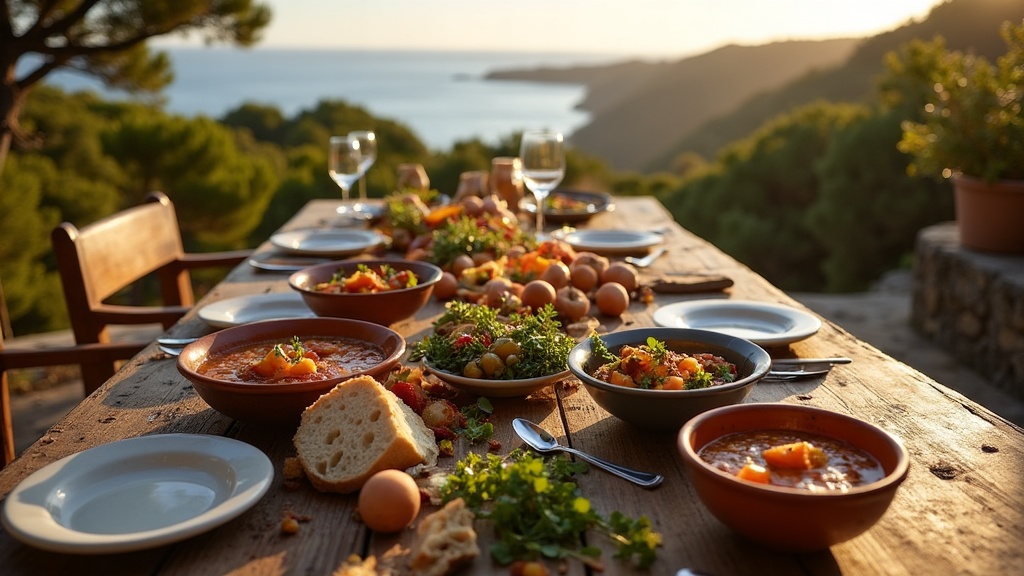
Eating at Monte Velho: The Food Experience
Nourishment as Practice
At Monte Velho, food is considered an extension of the holistic philosophy that permeates every aspect of the retreat experience. The kitchen operates on vegetarian principles, drawing inspiration from Ayurvedic wisdom while remaining flexible enough to accommodate the diverse needs of international guests. The approach isn't dogmatic—it's practical and grounded in the belief that what you eat should support your practice, not dominate it.
The emphasis is on seasonal, locally-sourced ingredients from the Alentejo region of Portugal, with organic produce prioritized whenever possible. This isn't haute cuisine designed to impress; it's simple, wholesome food meant to sustain yoga practice, meditation, and the physical activities—from swimming to horseback riding—that guests engage in throughout the day. The philosophy recognizes that people come to retreat to feel better, and that includes being well-fed without feeling heavy or sluggish.
The Daily Rhythm of Meals
Breakfast typically appears as a continental-style spread available during a generous window to accommodate early risers and those who prefer morning practice before eating. Expect fresh bread, local jams and honey, seasonal fruit, yogurt, muesli, and eggs prepared simply. Coffee and tea are available, along with fresh juices when fruit is abundant.
Lunch is the main meal of the day, following the Mediterranean tradition. This is when you'll find the most substantial offerings: hearty vegetable stews, grain bowls with roasted vegetables, salads incorporating local greens, homemade soups, and often a legume-based protein dish. The Portuguese influence shows up in the generous use of olive oil, garlic, and herbs. Portions are ample—this is fuel for afternoon activities and workshops.
Dinner tends toward lighter fare, typically served in the early evening. Soups are common, alongside simple salads, perhaps a grain dish or vegetable tart. The intention is to eat early enough that digestion doesn't interfere with evening meditation or sleep. It's satisfying but deliberately not heavy.
The Dining Space
Meals are served communally in a dining room that opens onto the property's expansive views of the Alentejo landscape. The atmosphere strikes a balance between informal and intentional—there's no enforced silence, but the space naturally invites quieter, more mindful eating than you'd find at a typical restaurant. Long tables encourage interaction among guests, though it's equally acceptable to sit quietly with your meal.
In good weather, which is frequent in this sun-soaked region, meals often migrate outdoors to shaded terraces. The casual flow between inside and outside dining reflects the overall informality of Monte Velho's approach.
Accommodating Individual Needs
The kitchen can accommodate vegan, gluten-free, and other dietary requirements with advance notice. Given the vegetarian baseline, vegan modifications are typically straightforward. Gluten-free options require more advance planning but are manageable. For serious allergies or highly specific dietary needs, communication with the kitchen before arrival is essential—this is a small operation without the redundant systems of a large hotel.
Between Meals
The retreat maintains a tea station with herbal infusions available throughout the day, along with filtered water. Fresh fruit is typically accessible between meals. This isn't a place with elaborate snack bars or constant food availability—the structure assumes three solid meals will suffice, which fits the retreat rhythm of scheduled activities and rest periods.
The Caffeine Question
Coffee is available at breakfast, recognizing that asking some guests to navigate yoga retreats without caffeine is unrealistic. However, it's not endlessly pushed or encouraged throughout the day. The subtle message is clear: caffeine is accommodated but not central to the experience. Those who want to use their time at Monte Velho to reduce dependence on stimulants will find the environment supportive of that goal.
Special Culinary Moments
Some retreats incorporate food-focused workshops—cooking classes featuring regional Portuguese techniques, foraging walks, or Ayurvedic nutrition discussions. These aren't constant offerings but appear seasonally depending on the retreat schedule and guest interest. When they happen, they transform the meal experience from simple sustenance into education, connecting guests more deeply to the land and local food culture that sustains Monte Velho's kitchen.