Your First Visit to Mii amo: What to Expect
Arrival and Check-In: A Quiet Transition
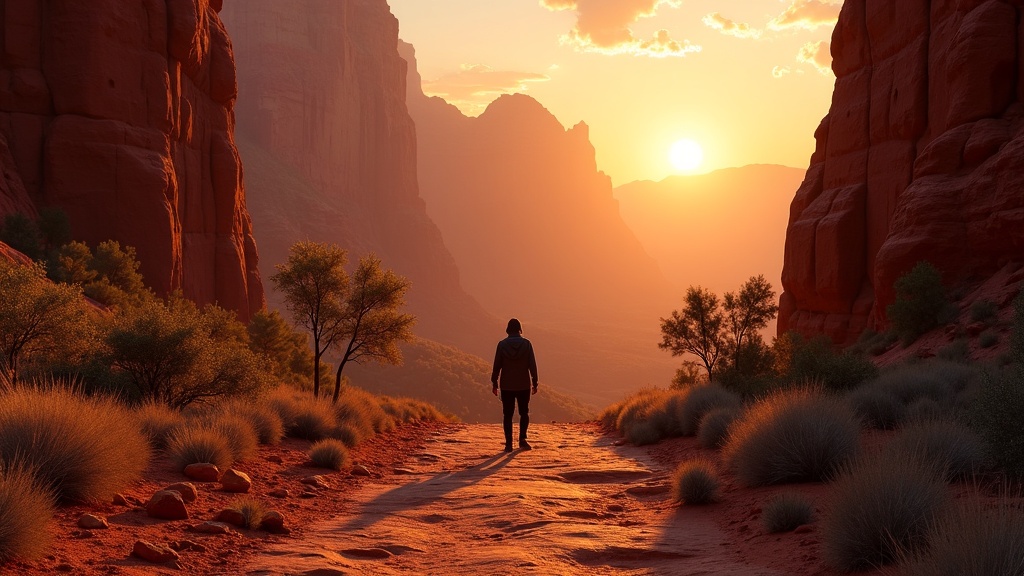
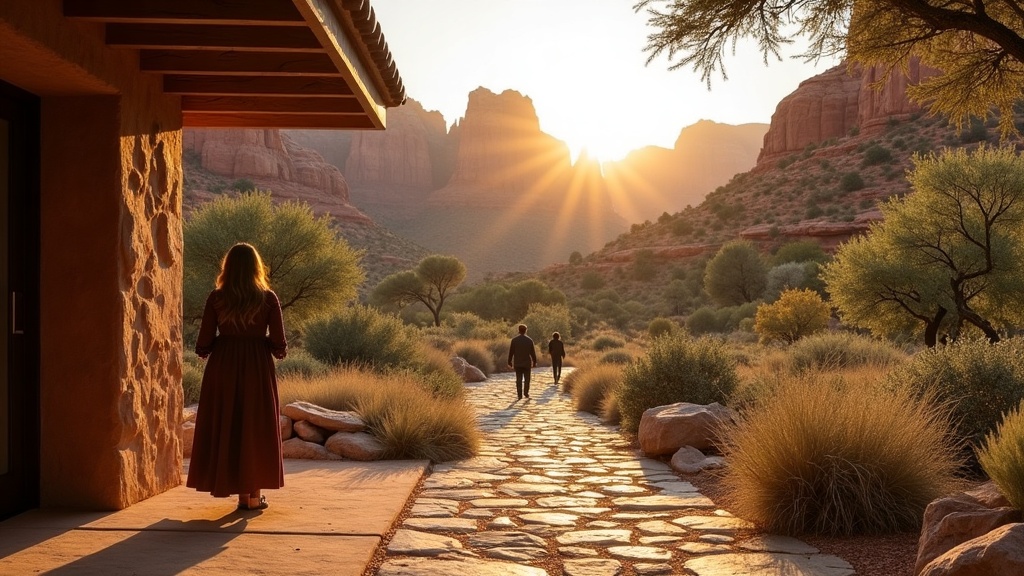
Your arrival at Mii amo will feel unlike most resort check-ins. After winding through Boynton Canyon—past the red rock formations that made Sedona famous—you'll turn into Enchantment Resort, then continue to the separate wellness sanctuary tucked deeper into the canyon. The reception area is hushed, almost library-like, and you'll immediately sense that you've crossed a threshold. Check-in happens around 3 PM, and the staff will explain it thoughtfully rather than rushing you through paperwork.
You'll sit down for a wellness consultation, often over herbal tea, where someone will walk you through the schedule and help you finalize any services you've booked. This is when reality sets in: you're not here to sightsee or keep busy. The campus is intimate—just 23 casitas—and by design, there's nowhere to rush off to. If you've booked a multi-day journey package, much of your schedule is already structured. If you've come for a shorter stay, you'll work with the team to build your days around spa treatments, movement classes, and personal time.
The Rhythm of Your Days
Mornings begin early but gently. Many guests rise for sunrise meditation or yoga, typically starting between 6:30 and 7 AM. These sessions happen in the movement studio or outdoors when weather permits, and they're optional—but the quiet of Boynton Canyon at dawn makes them difficult to resist. Breakfast follows around 8 AM in the dining room, and unlike the hurried buffets you might associate with resort life, meals here are sit-down affairs with thoughtful service.
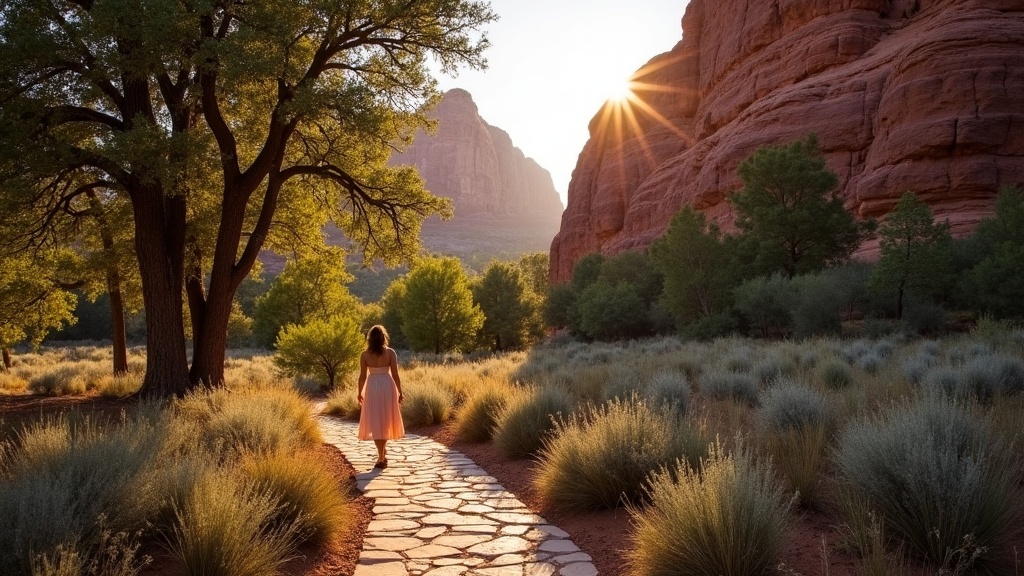
The heart of your day will be built around whatever you've scheduled: perhaps a Native American-inspired healing session, a private meditation, energy work, or bodywork like Reiki. These aren't back-to-back appointments. There's spaciousness built into the schedule—long windows of unstructured time where you're meant to do very little. Sit in your private courtyard. Walk the grounds. Nap. This lack of programming is intentional, but it catches first-timers off guard. You may feel restless initially. That's normal.
Lunch is around midday, and afternoons might include another class or treatment, or they might be entirely open. There's no pressure to stay busy. Evening gatherings sometimes include sound healing sessions or guided meditation before dinner, which is served around 6 PM. By 9 PM, the property is deeply quiet. This isn't a place where you'll find nightlife or socializing late into the evening.
Your Casita: A Study in Restraint
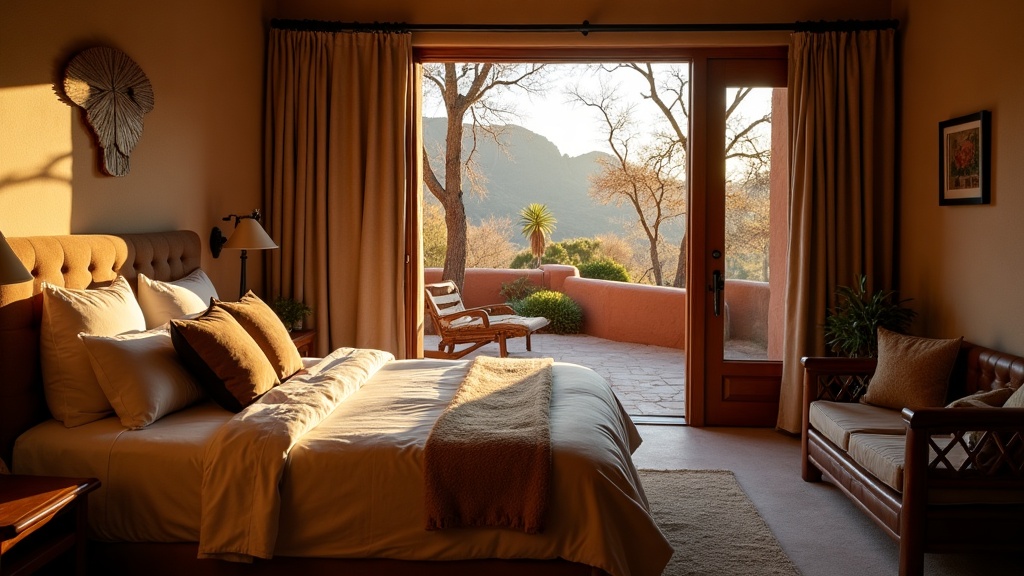
The rooms—technically casitas—are beautiful but intentionally spare. Adobe-style architecture, beehive fireplaces, private courtyards, and furnishings that echo the earth tones outside your window. What you won't find: a television. The internet exists, but you'll be gently encouraged to use it sparingly. The design vocabulary is warm but minimal—this isn't luxury in the "pile of pillows and marble everything" sense. It's luxury as simplicity.
Your casita feels private, almost monastic. The courtyard becomes a sanctuary, especially in good weather, and many guests find themselves spending more time there than they anticipated. The spaces are quiet enough that you'll hear birds, wind, the occasional rustle of leaves. If you're used to ambient noise or visual stimulation, the silence may feel loud at first.
The Food: Nourishing, Not Showy
Mii amo's kitchen focuses on what they call "mindful cuisine"—farm-forward, largely organic, with attention to both nutrition and flavor. Portions are moderate, plating is simple, and there's an emphasis on vegetables, whole grains, and lean proteins. If you're arriving from a life of rich restaurant meals or processed convenience foods, your body may notice the shift.
The food is good, but it's not the main event. Meals are served family-style or plated, depending on the day, and there's a communal quality to the dining experience even when conversation is muted. You're welcome to eat alone, but many guests end up sharing tables and stories. Coffee is available, but don't expect a full espresso bar. Herbal teas are abundant. Alcohol is not served.
What to Pack (and What to Leave Behind)
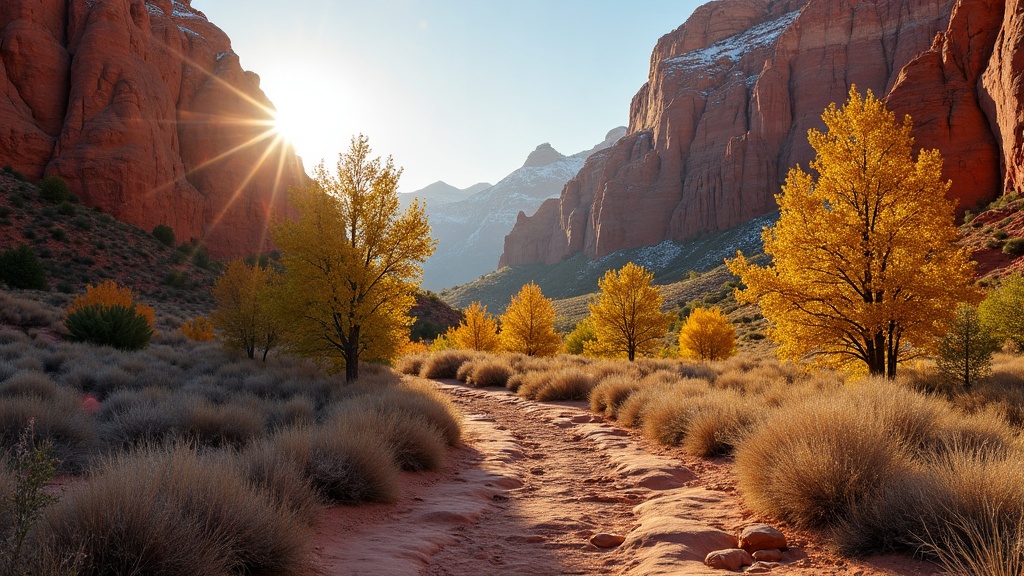
Bring comfortable layers. Sedona's high desert climate means cool mornings and evenings, even when afternoons are warm. You'll want loose clothing for yoga and movement classes, sturdy shoes for walking the canyon paths, and something cozy for sitting outside at dusk. A journal is worth throwing in your bag—many people find themselves wanting to write.
What not to bring: an agenda. Work stress. Your laptop if you can avoid it. This is harder than it sounds, especially for first-timers, but the property's size and etiquette norms make it difficult to stay plugged into your regular life. That's the point, but it requires surrender.
Etiquette and the Unspoken Rules
Silence isn't enforced, but it's deeply valued. Conversations happen, especially at meals, but they're typically quieter and more intentional than typical resort chatter. Keep your phone on silent. Many guests leave them in their casitas entirely. If you need to take a call, step away from shared spaces.
Programs start on time, and it's considered poor form to arrive late or leave early from a group session. If you're in a sound healing or meditation experience, slipping out disrupts everyone. This can feel rigid if you're used to dropping in and out of hotel activities, but it reflects the intimacy of the space—every absence is noticed.
The Honest Tradeoffs
First-timers are often surprised by how small Mii amo feels. Twenty-three casitas means you'll see the same faces repeatedly, and if you're craving anonymity, you won't find it here. Some people love this; others feel exposed.
The unstructured time can be challenging. You may have imagined being "busy" with wellness activities, but much of what happens here is internal and quiet. Boredom might surface. So might emotions you didn't expect. That's often exactly what needed to happen, but it doesn't always feel good in the moment.
On the other hand, the landscape is genuinely extraordinary. The sense of being held by the canyon, the quality of light, the particular silence—these aren't exaggerations. And the people who work here tend to be exceptional: thoughtful, trained, deeply committed to the work. You'll leave changed, though perhaps not in the ways you anticipated.