BrightStar

Browse All Events

Discover conscious gatherings

events

Yoga
Meditation
Breathwork
Qigong
Tai Chi
Sacred Music
World Music
Medicine Music
Sound Healing
Ecstatic Dance
Popular Destinations
BaliSedonaLos AngelesCosta RicaNew YorkSan FranciscoAustinMiamiJoshua TreeTulum
View All CategoriesView All Destinations

Explore All Features

Powerful tools to grow your events

Platform Features

Smart Dynamic Pricing
Ticket Categories
Assigned Seating
Abandoned Cart Recovery
Visitor Recovery
Donations & Sliding Scale
Affiliate Engine
Ticket Scanner
Coupon Codes
Custom Questions
Ticket Sharing
Upsells & Add-ons
Analytics & Reporting
Email Sequences
Waitlist / Notify / Remind
People & Places
Artists & TeachersEvent OrganizersVenues & StudiosKnowledge BaseGlossaryInspiration
View All FeaturesAbout Us
PricingBlog
Browse All Events

events

YogaMeditationBreathworkQigongTai ChiSacred MusicWorld MusicMedicine Music

Popular Destinations

BaliSedonaLos AngelesCosta RicaNew YorkSan Francisco

People & Places

Artists & TeachersEvent OrganizersVenues & StudiosKnowledge BaseGlossaryInspiration

Platform Features

Smart Dynamic PricingTicket CategoriesAssigned SeatingAbandoned Cart RecoveryVisitor RecoveryDonations & Sliding ScaleAffiliate EngineTicket ScannerCoupon CodesCustom QuestionsTicket SharingUpsells & Add-onsAnalytics & ReportingEmail SequencesWaitlist / Notify / Remind
View All FeaturesAbout Us
PricingBlog
Log inFind EventsHost Events
Tibetan BuddhistOm Mani Padme Hum · Om Mani Padme Hum · Om Mani Padme Hum · Om Mani Padme Hum ·
  • Browse All Events
  • For Seekers
  • Yoga
  • Meditation
  • Breathwork
  • Qigong
  • Tai Chi
  • Sacred Music
  • Retreats
  • Workshops
  • All Categories →
  • Bali
  • Sedona
  • Los Angeles
  • Costa Rica
  • Tulum
  • Byron Bay
  • San Francisco
  • Austin
  • All Cities →
  • For Creators
  • For Writers
  • For Teachers
  • For Kirtan Artists
  • For Studios
  • For Festivals
  • For Retreat Centers
  • For Nonprofits
  • Brand Ambassador
  • Case Studies
  • 350K+ Buyer Network
  • Abandoned Cart Recovery
  • Smart Dynamic Pricing
  • Ticket Categories
  • Recurring Events
  • Assigned Seating
  • Affiliate Engine
  • Waitlist / Notify
  • Ticket Scanner
  • Embed Widget
  • All Features →
  • About
  • Blog
  • Glossary
  • Inspiration
  • Help Center
  • Contact
  • API Docs
  • Brand Assets
  • Careers
  • Press
  • Terms of Service
  • Privacy Policy

Events

  • Browse All Events
  • For Seekers
  • Yoga
  • Meditation
  • Breathwork
  • Qigong
  • Tai Chi
  • Sacred Music
  • Retreats
  • Workshops
  • All Categories →

Destinations

  • Bali
  • Sedona
  • Los Angeles
  • Costa Rica
  • Tulum
  • Byron Bay
  • San Francisco
  • Austin
  • All Cities →

For Creators

  • For Creators
  • For Writers
  • For Teachers
  • For Kirtan Artists
  • For Studios
  • For Festivals
  • For Retreat Centers
  • For Nonprofits
  • Brand Ambassador
  • Case Studies

Features

  • 350K+ Buyer Network
  • Abandoned Cart Recovery
  • Smart Dynamic Pricing
  • Ticket Categories
  • Recurring Events
  • Assigned Seating
  • Affiliate Engine
  • Waitlist / Notify
  • Ticket Scanner
  • Embed Widget
  • All Features →

Company

  • About
  • Blog
  • Glossary
  • Inspiration
  • Help Center
  • Contact
  • API Docs
  • Brand Assets
  • Careers
  • Press
  • Terms of Service
  • Privacy Policy
BrightStar
© 2026 BrightStar. All rights reserved.
Back to Istituto Lama Tzong Khapa
Daily Rhythm

Inside the Istituto Lama Tzong Khapa Daily Schedule
3 min readMay 2026at Istituto Lama Tzong Khapa
Inside the Istituto Lama Tzong Khapa Daily Schedule

Inside the Istituto Lama Tzong Khapa Daily Schedule

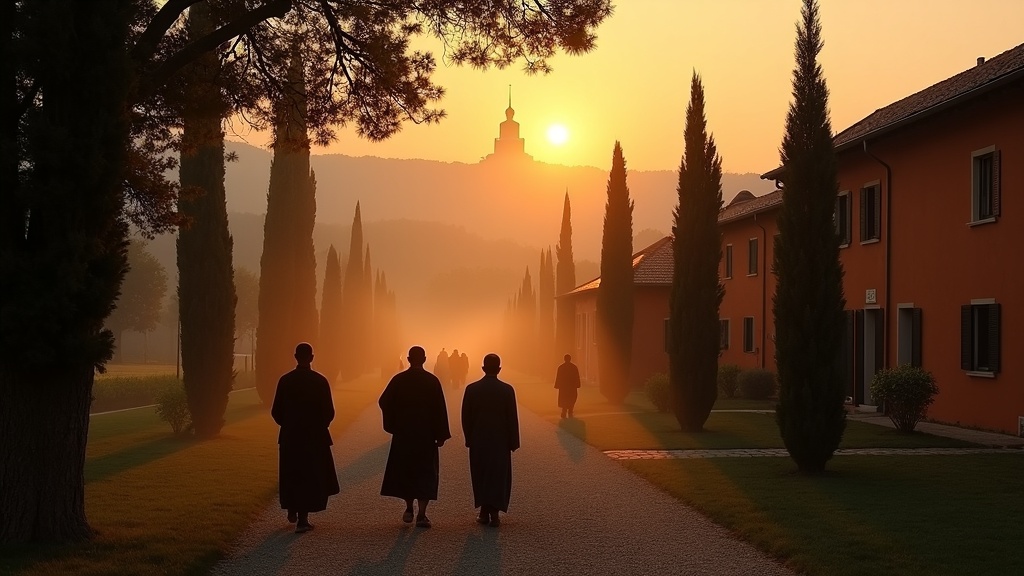
The alarm sounds at 6:00 AM, though many practitioners are already awake, listening to the birds outside their windows. On day one, there's often resistance—bodies unused to the early hour, minds still calculating the time difference from wherever they've traveled. By day four, most wake naturally a few minutes before the bell, the rhythm already established in their bones.

Morning: Silence and Structure

At 6:30 AM, the first meditation session begins in the gompa. The main meditation hall fills quietly, participants arranging themselves on cushions beneath painted thangkas and the gaze of the Buddha statue at the front. During intensive retreats, this early sitting might be guided; during lam-rim study programs, it's often silent practice. The hall is cool at this hour, and shawls appear from bags, wrapping around shoulders. The session runs until 7:30.

Gentle movement follows. Depending on the program, this might be traditional Tibetan yoga exercises, hatha asana adapted for dharma practitioners, or simple stretching to wake the body after sitting. By 8:00 AM, participants are filing into the dining hall for breakfast.

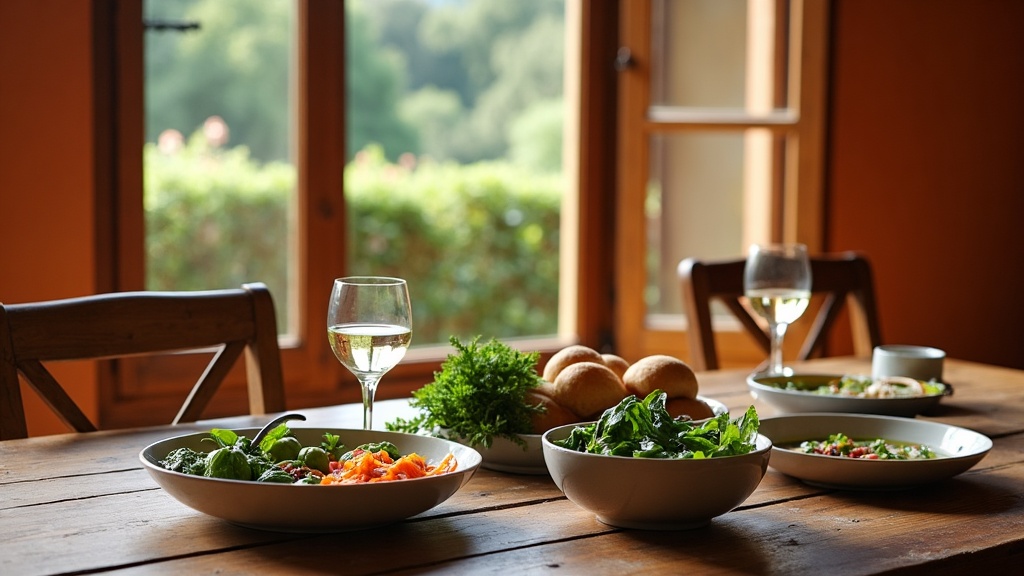
The morning meal is simple and grounding: muesli, yogurt, fresh bread with jam, fruit from the surrounding countryside. Coffee and tea stations hum with quiet activity. Most retreats maintain noble silence through breakfast, the only sounds the scrape of spoons and the pouring of beverages. The Tuscan morning light streams through tall windows.

Late Morning: Deep Practice

The intensive teaching block runs from 9:00 AM to 12:30 PM, though the structure varies significantly by program type. Multi-day meditation retreats might include two additional sitting periods separated by walking meditation in the gardens. The cypress-lined paths become a moving gompa, practitioners pacing slowly between the trees.

Lam-rim courses follow a different pattern: teaching sessions from 9:00 to 10:30, followed by discussion groups where participants process the philosophical material. Teacher training programs add methodology workshops, where future instructors learn not just the dharma but how to transmit it. The library remains open during breaks, its shelves lined with texts in Italian, English, and Tibetan.

Midday: Nourishment

Lunch at 12:30 PM is the main meal. The kitchen staff prepares vegetarian Italian cuisine—pasta with seasonal vegetables, risotto, minestrone thick with beans and greens, salads from the garden. There's often a subtle fusion: turmeric appearing in unexpected places, ginger brightening traditional recipes. The dining hall grows louder now; most programs lift silence for the midday meal, and conversation blooms around the long wooden tables.

Afternoon: Optional Spaciousness

The hours between 2:00 and 4:00 PM belong to the individual. Some people return to their rooms for rest—single and double accommodations in simple monastery style, windows overlooking olive groves. Others walk the property's twenty hectares, visiting the white stupa that crowns the hill or sitting beneath trees with journals.

The institute offers optional afternoon sessions: additional meditation instruction for beginners, private meetings with teachers by appointment, or specific practice periods for those on self-directed retreat. The massage and spa facilities are available by booking; after days of intensive sitting, the bodywork becomes not indulgence but necessary integration.

At 4:00 PM, many programs schedule tea and a light snack—biscuits, fruit, another chance to gather informally.

Evening: Closing the Circle

The evening session begins at 5:00 PM. For study courses, this might be Q&A with the resident teachers, diving deeper into questions raised during morning teachings. For meditation retreats, it's often another guided sit, this one gentler than the morning, preparing for rest rather than waking. Some programs include chanting or puja—devotional practice that fills the gompa with Tibetan syllables.

Dinner at 6:30 PM mirrors breakfast's simplicity: soup, bread, salad, fruit. The energy is quieter now, the day's practice settling into bodies.

A final optional session at 8:00 PM might be meditation, dharma film screenings, or simply open gompa time. By 9:00 or 9:30 PM, the monastery quiets. Lights dim in the residence buildings.

On day one, this schedule feels impossibly full, almost rigid. By day four, it becomes a container—the structure that paradoxically enables freedom, each hour a known quantity that allows the mind to finally stop planning and simply be present in the Tuscan silence.
More about Istituto Lama Tzong Khapa

The History of Istituto Lama Tzong Khapa
History

The History of Istituto Lama Tzong Khapa

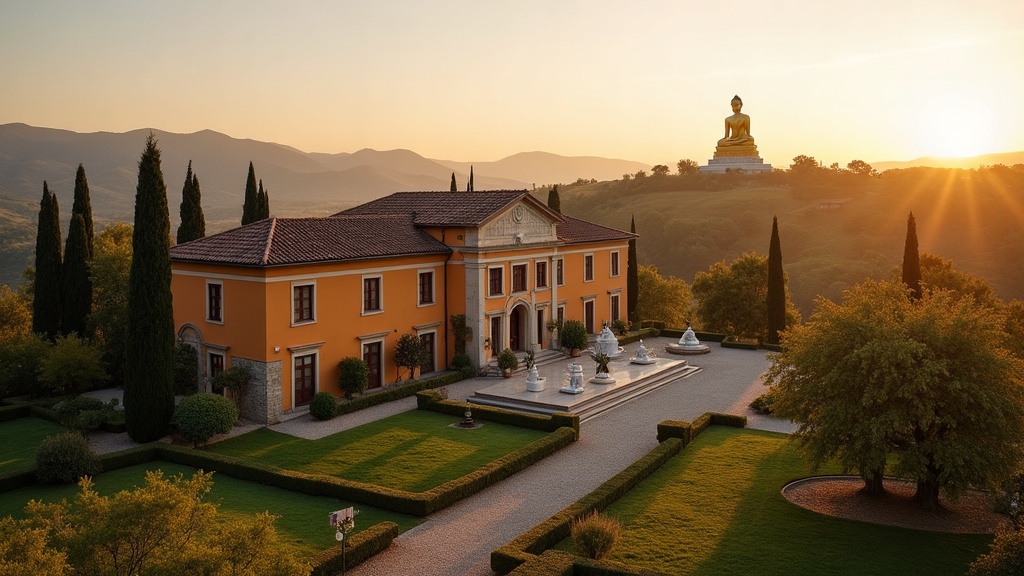
The white stupa rises above a hillside of cypress and olive trees, visible from the winding road up from Pisa. It marks the entrance to Isti…

3 min read
Eating at Istituto Lama Tzong Khapa: The Food Experience
Food & Meals

Eating at Istituto Lama Tzong Khapa: The Food Experience

The dining experience at Istituto Lama Tzong Khapa reflects a careful balance between Buddhist ethics, practical health philosophy, and the …

3 min read
Best Programs at Istituto Lama Tzong Khapa for Beginners
For Beginners

Best Programs at Istituto Lama Tzong Khapa for Beginners

The fear hits you when you look at the course catalog: Am I Buddhist enough for this? You imagine walking into the gompa and everyone else s…

4 min read
Where You'll Stay at Istituto Lama Tzong Khapa: A Guide to Accommodations
Accommodations

Where You'll Stay at Istituto Lama Tzong Khapa: A Guide to Accommodations

Choosing where to sleep at Istituto Lama Tzong Khapa means deciding how much solitude you need versus how deeply you want to sink into the c…

3 min read

Keep exploring

Continue your journey

More from Istituto Lama Tzong Khapa and across the BrightStar directory.

Back to Istituto Lama Tzong Khapa

Return to the full venue profile — events, artists, guides, and more.

Back to venue →

Discover More Venues

Browse retreat centers, festivals, and sacred spaces across the conscious world.

Explore venues →

Find an Event

Kirtan, retreats, sound baths, breathwork, festivals — happening soon.

Browse events →