Best Programs at Kripalu Center for Yoga & Health for Beginners
Best Programs at Kripalu Center for Yoga & Health for Beginners
The fear is usually the same: you'll walk into a room full of pretzel-limbed devotees who've been coming here for decades, and you'll be the only person who can't touch their toes or pronounce "pranayama." You'll be exposed as the imposter who booked a yoga retreat despite doing yoga maybe three times in your life, all from YouTube videos you abandoned halfway through.
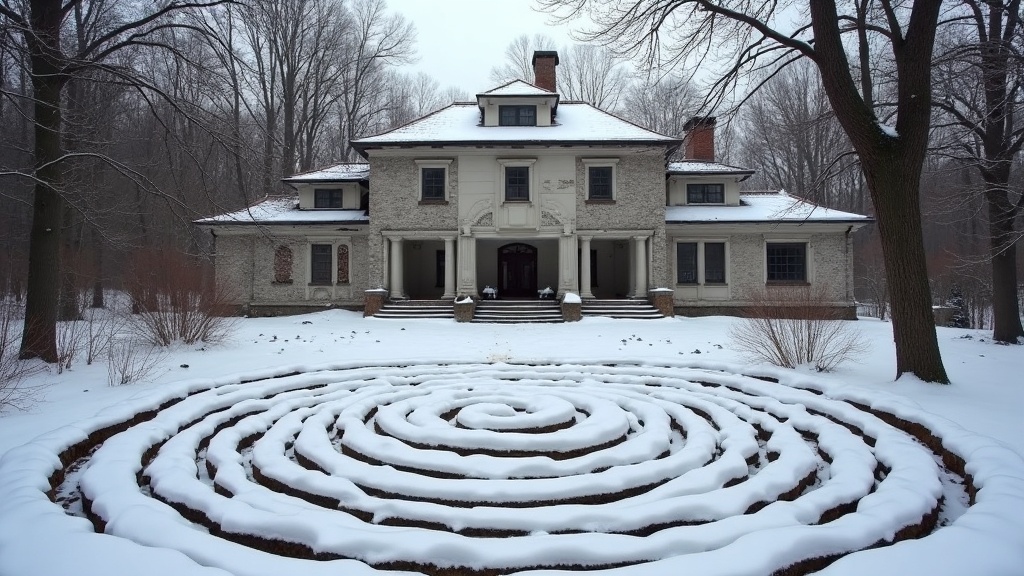
Here's the reality: Kripalu's former life as a Jesuit novitiate means its bones are institutional, not precious. The wide hallways and simple rooms don't whisper exclusivity—they accommodate crowds. On any given weekend, half the people in those morning sun salutations are stiff, uncertain, and wondering if they made a mistake. The center built its reputation not on athletic excellence but on accessibility. "All levels welcome" isn't marketing language here; it's the actual business model.
The fear is misplaced when you choose appropriately. It's warranted if you book yourself into a 200-hour teacher training or an advanced meditation intensive as your introduction. Don't do that.
Programs That Work for First-Timers
R&R Retreat is the entry point for people who aren't sure they even want a yoga retreat. You design your own schedule from the daily offerings—take a gentle yoga class or skip it for a walk around the lake. Attend a meditation or sleep in. The structure is loose enough that you can't fail at it. You're testing the waters of retreat life without committing to a specific practice lineage or intensity level.
Kripalu Yoga: The Art of Being Present teaches you the house style over a weekend or five days. This is basic-basics: how to move, how to breathe, what the poses are called, why any of this matters. The instruction assumes nothing. If you're the person who feels anxious in regular yoga studios because everyone else seems to know the secret handshake, this removes that variable entirely.
Yoga for Hiking, Biking, and Outdoor Adventures works because it frames yoga as cross-training, not religion. The 300 acres of Berkshire landscape become part of the program. You're here to move better outdoors, and yoga is the tool. This appeals to people who'd never book "Awakening the Heart" but will absolutely show up for something that promises to help their tight IT bands on the trails.
Yoga and Meditation Retreat (the generic weekend format) splits the difference—enough structure to guide you, enough variety to find what resonates. Two or three yoga sessions daily, seated meditation, workshops on breath or relaxation. It's the sampler platter.
Mindful Eating programs bring in people whose primary relationship isn't with yoga but with food and body. The yoga becomes secondary support rather than the main event, which paradoxically makes it easier to try.
What "Level" Actually Means Here
Kripalu's levels are effort-based, not achievement-based. A "gentle" class means you'll move slowly and spend time in restorative poses. A "moderate" class means continuous movement with options to dial intensity up or down. A "vigorous" class means you'll sweat and your heart rate will elevate, but nobody's doing splits in the air.
The center's lineage emphasized "being present with sensation" over accomplishing shapes, which means teachers are trained to offer modifications as the default, not the exception. You won't get corrected toward an ideal form. You'll get asked what you notice in your body.
Programs to Skip on Your First Visit
Anything with "intensive" in the title. Month-long trainings. Silent retreats lasting more than a weekend. Advanced meditation programs assuming years of daily practice. Workshops focused on teaching methodology. Programs built around specific trauma healing or shadow work—not because you can't handle them, but because retreat culture itself will be enough to process without adding therapeutic intensity.
Also skip Yogic Psychology deep dives and anything in the Kripalu Schools of study tracks until you know whether you even like staying in this building.
Weekend, Five-Day, or Week?
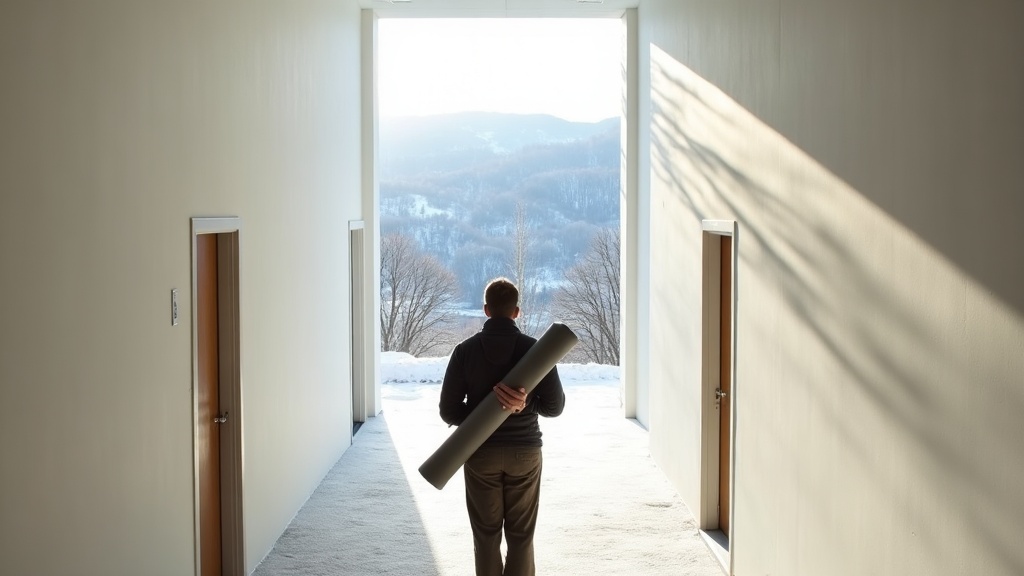
Book a weekend if you're genuinely unsure whether you can tolerate retreat food, sharing space with strangers, and the particular silence of institutional hallways at dawn. It's enough time to acclimate but short enough to endure if you hate it.
Choose five days if you want transformation, not just sampling. The rhythm establishes itself by day three—your nervous system downshifts, you stop mentally drafting emails, the practices accumulate into something beyond their individual parts.
A week is for people who know they like retreat environments or who need the excuse of significant time investment to justify not being available to their regular lives. It's not inherently better; it's simply deeper in the same groove.
When You're Ready for More
You'll know you're ready for advanced offerings when you stop needing programs to be explained in metaphors drawn from daily life. When meditation instruction bores you because you already have a daily practice and you're here to go deeper, not learn basics. When you find yourself wanting more silence, longer sits, less hand-holding. When the beginner programs feel like you're waiting for everyone else to catch up.
That restlessness is the signal. Until then, start simple. The building will still be here when you're ready for what comes next.