Eating at Drala Mountain Center: The Food Experience
Eating at Drala Mountain Center: The Food Experience
The dining hall at Drala Mountain Center sits at the heart of campus, a warm gathering space where the vegetarian meals are served buffet-style three times daily. The food philosophy here is straightforward: predominantly vegetarian cuisine informed by Ayurvedic principles, emphasizing whole foods, seasonal ingredients, and mindful eating practices that support contemplative practice at 8,600 feet.
The Philosophy Behind the Plate
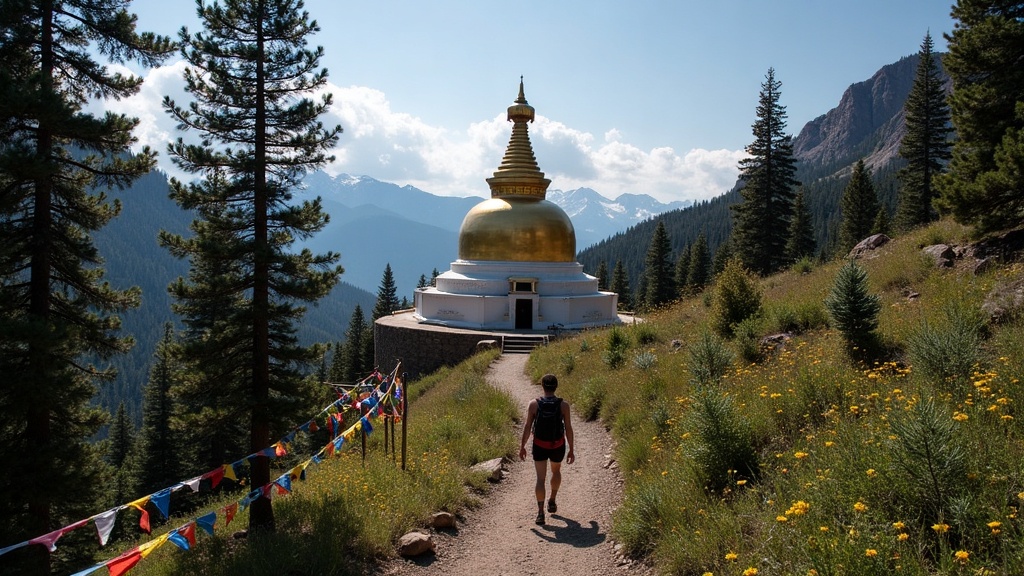
Drala's kitchen operates on the Buddhist principle of ahimsa (non-harming), which translates to a meat-free menu. The culinary approach draws from Ayurvedic traditions, balancing the six tastes—sweet, sour, salty, bitter, pungent, and astringent—while accommodating the high-altitude environment where digestion works differently and bodies need grounding, warming foods. Meals are designed to nourish without creating the heaviness that interferes with meditation. This isn't haute cuisine, but it's honest food prepared with attention: hearty grains, legumes, roasted vegetables, fresh salads, and soups that make sense when you've spent the morning in silent sitting practice or circumambulating the Great Stupa.
What to Expect at Each Meal
Breakfast arrives early, typically around 7:00 AM, with hot oatmeal, granola, yogurt, fresh fruit, toast with nut butters and jam, and hard-boiled eggs. There's usually a hot tea station with multiple varieties. It's simple fare designed to fuel morning practice without weighing you down.
Lunch, the main meal of the day, might feature a grain bowl with quinoa or brown rice, a hearty soup (butternut squash, lentil-vegetable, or miso), a large salad bar, and a protein option like seasoned chickpeas or marinated tofu. There's fresh-baked bread and often a simple dessert—cookies, fruit crisp, or brownies.
Dinner is lighter, following Ayurvedic wisdom about evening digestion. Think vegetable stir-fry over rice, pasta with marinara and roasted vegetables, or a soup-and-salad combination. The meal schedule supports the center's program rhythm: substantial fuel mid-day, lighter options at the bookends.
The Dining Experience
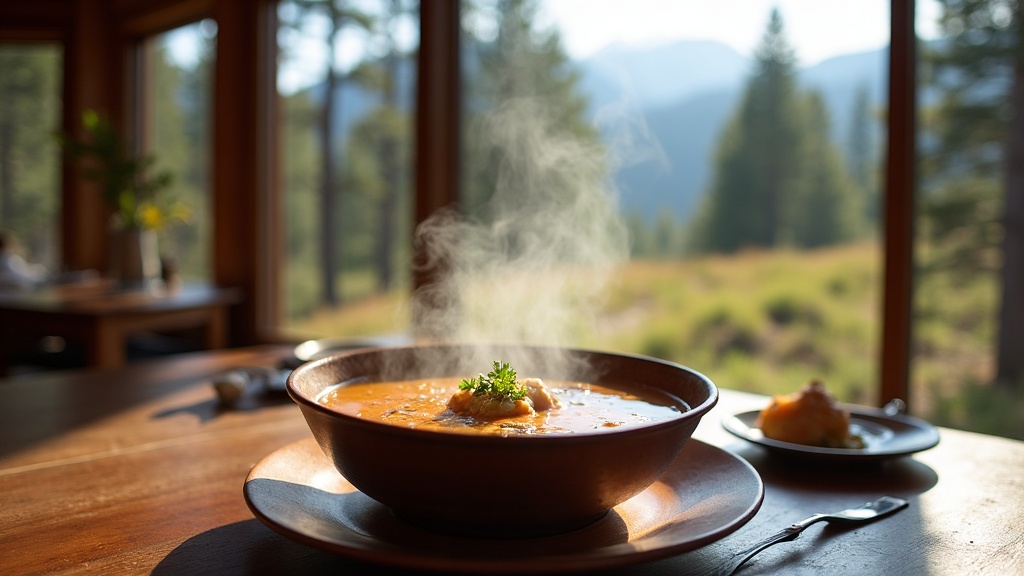
Meals are served in a spacious dining hall with large windows overlooking the valley. Most programs observe noble silence during breakfast and sometimes lunch, creating a contemplative atmosphere where the only sounds are serving spoons against bowls and the creak of wooden chairs. There's genuine beauty in this practice—eating becomes meditation rather than social performance. Dinner usually allows conversation, and the room fills with the gentle buzz of practitioners sharing their day.
Seating is communal at long tables, though you can claim a solitary spot if you prefer. The space is clean and functional rather than elegant, with the mountain view providing the decoration.
Dietary Accommodations
The kitchen handles dietary restrictions with practiced efficiency. Vegan options are plentiful at every meal—the default vegetarian menu requires only minor adjustments. Gluten-free choices are clearly marked, with gluten-free bread, pasta alternatives, and rice-based options always available. If you have serious allergies or specific requirements, you'll note them on your registration form, and the kitchen staff prepares accordingly. They've been doing this for decades, and it shows.
Between-Meal Offerings
A self-serve snack area stays stocked throughout the day with fruit, crackers, peanut butter, and tea. This is high-altitude terrain where you're walking between buildings in thin air—having snack access matters. It's modest but adequate.
The Caffeine Question
Coffee is available at breakfast and lunch, but this isn't a coffee-centric culture. There's typically one regular and one decaf option—serviceable rather than artisanal. Many practitioners gradually shift to the extensive tea selection. The center doesn't push caffeine restriction, but the overall atmosphere gently encourages moderation. If you're someone who needs serious coffee to function, consider this fair warning.
Special Occasions
Some programs include special ceremonial meals or teachings on mindful eating. During extended retreats, meals sometimes feature specific Ayurvedic menus designed to support deeper practice. Thanksgiving and other holidays might bring expanded festive menus, though always within the vegetarian framework.
The food at Drala Mountain Center won't be the highlight of your stay, but it won't be an obstacle either. It's wholesome, intentional, and sufficient—exactly what's needed to support the real work you've come here to do.