Where You'll Stay at Chapel of Sacred Mirrors (CoSM): A Guide to Accommodations
Where You'll Stay at Chapel of Sacred Mirrors (CoSM): A Guide to Accommodations
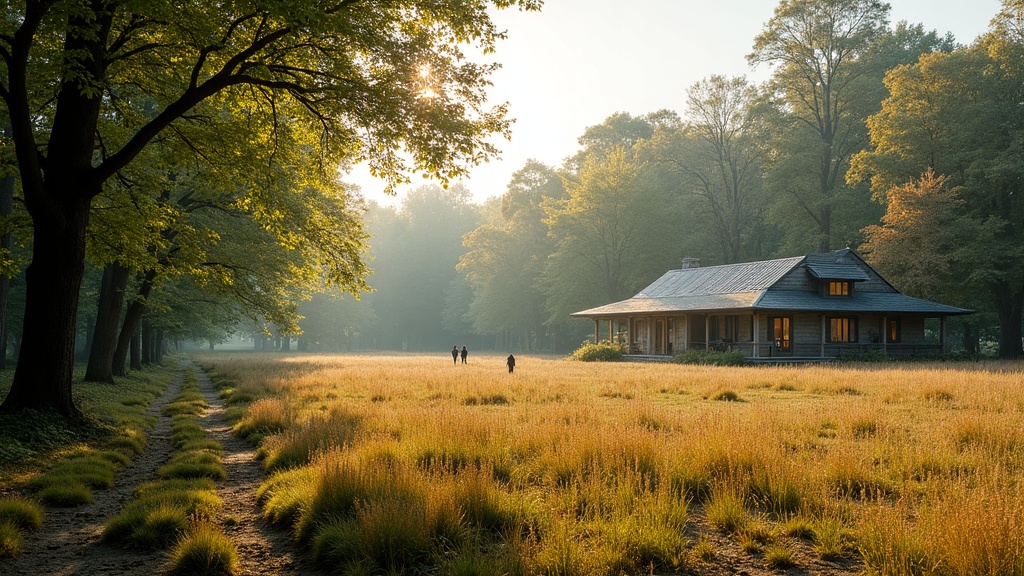
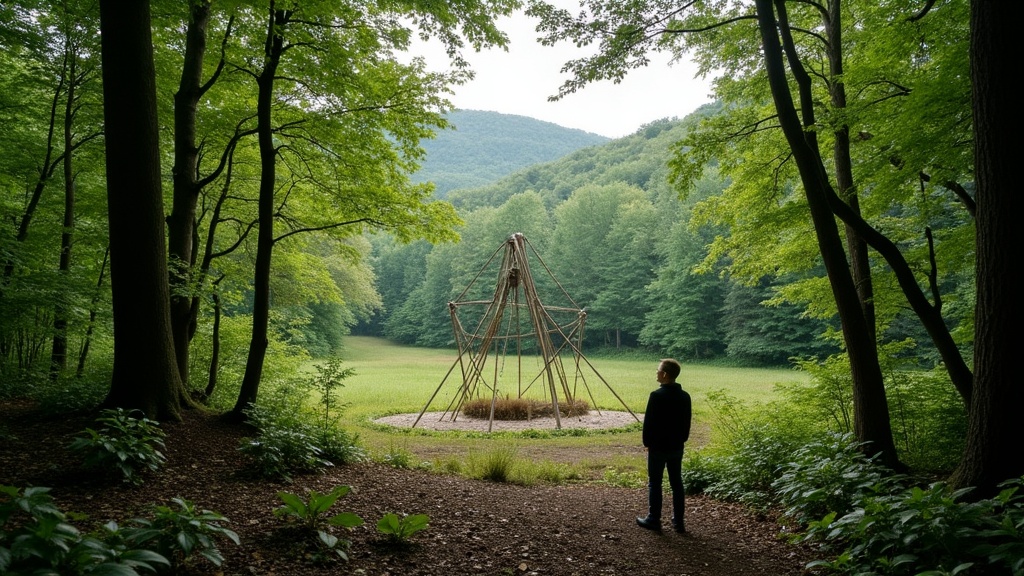
Visiting the Chapel of Sacred Mirrors isn't just about attending workshops or viewing visionary art—it's an immersive experience that often includes overnight stays on the 40-acre property in Wappingers Falls, New York. Understanding your accommodation options will help you balance budget with comfort while making the most of your retreat experience.
Understanding CoSM's Room Categories
CoSM typically offers three main accommodation tiers: dormitory-style rooms, standard private rooms, and deluxe accommodations. The pricing structure reflects a familiar trade-off: pay less and share space, or invest more in privacy and comfort.
Dormitory rooms represent the most economical choice, housing multiple guests in bunk bed configurations. These communal sleeping arrangements can range from intimate four-person spaces to larger halls accommodating eight or more visitors. Prices generally start around $50-75 per night, making extended stays financially accessible for those on tight budgets.
Standard private rooms occupy the middle ground, offering personal space without premium amenities. Expect twin or full beds in modest rooms that prioritize function over luxury. These typically run $100-150 per night and appeal to visitors who value privacy but don't require upscale touches.
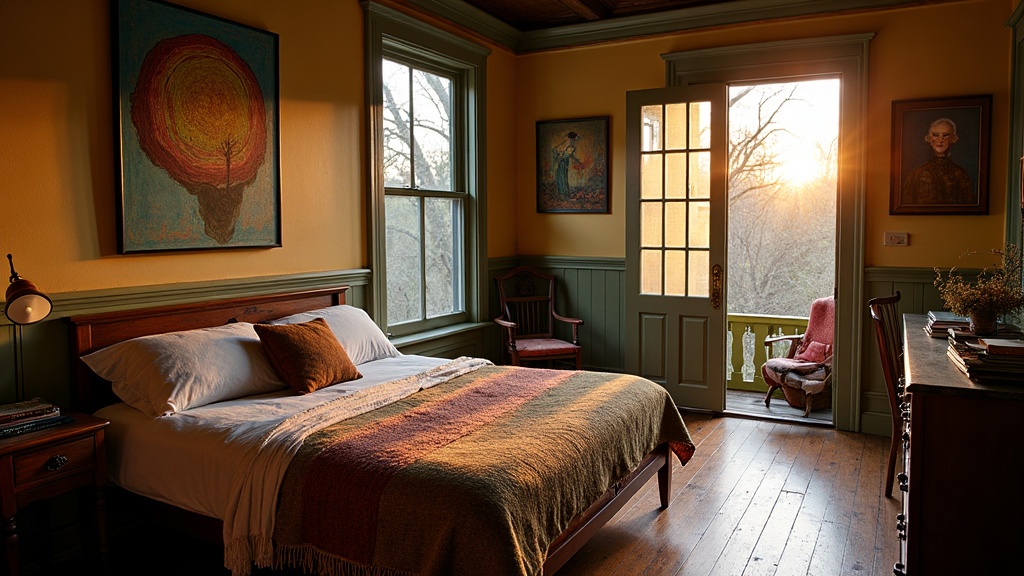
Deluxe accommodations, when available, provide the most comfort with queen or king beds, additional space, and sometimes superior views of the wooded property. At $175-250 per night, these rooms serve guests prioritizing rest and personal sanctuary during intensive retreat work.
What's Included (And What's Not)
CoSM accommodations focus on simplicity and spiritual purpose rather than hotel-style amenities. Most rooms include basic furniture—a bed, perhaps a small table or chair, and minimal storage. Don't expect televisions, mini-fridges, or luxury linens. The emphasis remains on providing clean, functional space for rest between ceremonial activities.
Bedding is typically provided, including sheets, blankets, and pillows. However, policies vary by event and season, so confirming ahead of time prevents last-minute scrambles. Towels may or may not be included; some events require guests to bring their own, while others provide basic bath towels. Checking your specific workshop confirmation is essential.
Climate control varies significantly by building and room type. Some accommodations feature individual thermostats, while others rely on central heating or fans. The property's rustic character means temperature regulation may be less precise than commercial hotels. Packing layers is always wise, regardless of season.
The Bathroom Situation
This is where the price-versus-comfort equation becomes most tangible. Dormitory accommodations almost always mean shared bathrooms—sometimes just one or two for an entire hall of guests. Morning routines require patience and flexibility, especially during well-attended events.
Standard private rooms may or may not include en-suite bathrooms. Many feature private facilities, but some require short hallway walks to dedicated bathrooms shared between two or three rooms. Deluxe accommodations typically guarantee private bathrooms, though even these tend toward functional rather than luxurious.
Hot water is generally reliable, but during peak retreat times with full occupancy, strategic shower timing helps. Early risers and those willing to wait until after group activities typically fare best.
Community Dynamics and Noise Considerations
CoSM's retreat atmosphere cultivates respectful quietness, but expectations should remain realistic. Dormitory guests will hear roommates—breathing, moving, occasionally snoring. The intimacy can foster beautiful connections or test your patience, depending on your temperament and sleep sensitivity.
Even private rooms share walls with neighbors. While most retreat participants maintain considerate noise levels, sound insulation varies by building. Light sleepers might consider earplugs regardless of accommodation tier.
Hallways see regular foot traffic during event transitions. Rooms near bathrooms or gathering spaces experience more activity, while end-of-hall locations tend toward greater tranquility.
Choosing the Right Room for Your Journey
First-time visitors unsure about the communal experience might consider standard private rooms as a middle path. Those comfortable with hostel-style travel or seeking deep community immersion often thrive in dormitories. Solo travelers prioritizing restoration benefit from investing in deluxe options.
Budget-conscious visitors can absolutely have meaningful experiences in dormitory settings—the profound work happens in ceremony and connection, not room luxury. However, adequate rest supports integration of intense spiritual experiences, making comfort worth considering if finances allow.
The honest truth about cheaper options: you'll sacrifice privacy, possibly sleep quality, and certainly convenience. But you'll also spend less time isolated and more opportunities for spontaneous connection with fellow seekers. The tradeoff reflects your personal needs for this particular journey.