Best Programs at 1440 Multiversity for Beginners
Best Programs at 1440 Multiversity for Beginners
The fear is always the same: you'll be the only person who can't touch their toes, who doesn't know what "pranayama" means, who brought the wrong clothes or asked a stupid question. You imagine a room full of serene, flexible people who've been doing this for years, and you—stiff, skeptical, entirely out of place.
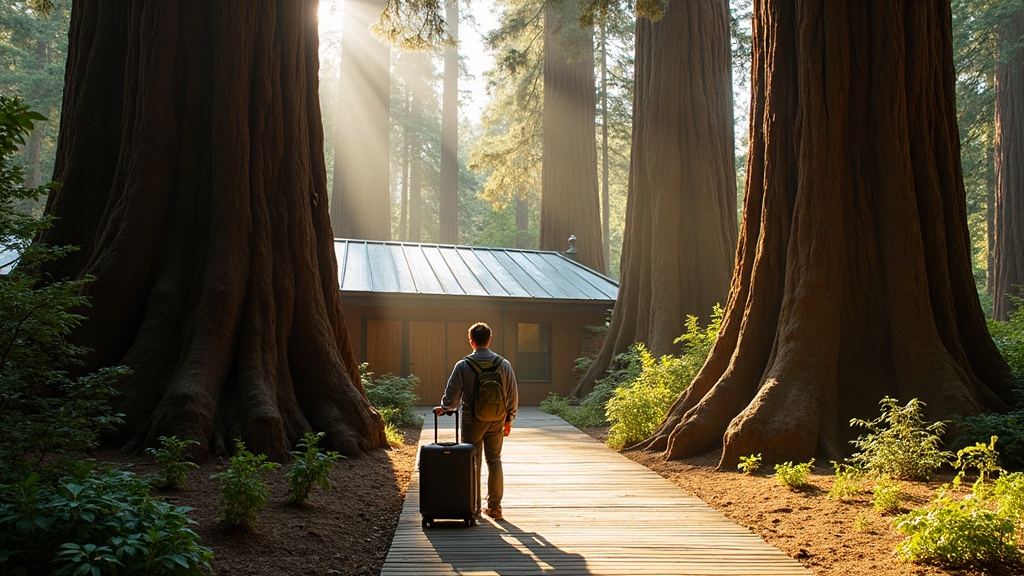
Here's what actually happens: you arrive at 1440 Multiversity in the Santa Cruz Mountains, check into your room, and realize that at least half the people at dinner are also first-timers. The other half aren't judging you—they're relieved to not be the newcomers anymore. This venue draws beginners specifically because it's secular, comfortable, and doesn't require you to sit on the floor for eight hours or commit to silence.
The fear is misplaced in one important way: 1440 actively designs programs for people who've never done this before. It's warranted in another: if you pick the wrong program for your first time, you will have a bad experience. Not because you're inadequate, but because throwing yourself into advanced somatic work or a rigorous meditation intensive without context is like learning to swim by jumping into the ocean.
Programs That Work Best for First-Timers
Mindfulness and meditation fundamentals. Look for anything with "introduction," "basics," or "beginner-friendly" in the description. These programs teach you how to sit, breathe, and notice your thoughts without requiring prior experience. They're structured, guided, and give you skills you can actually use when you get home. The pace is slow. Teachers expect questions.
Movement-based programs like gentle yoga, qigong, or Nia. Physical programs give your nervous system something to do besides panic about whether you're "doing it right." You're in your body, which is easier for most beginners than being in your head for hours. Choose anything labeled "all levels" or "restorative." Avoid hot yoga, power vinyasa, or anything promising "intense."
Creative workshops. Writing, painting, photography, or music programs work well because they give you a concrete activity and a tangible output. The contemplative aspect sneaks in sideways while you're focused on making something. These tend to attract people who are curious but skeptical about traditional wellness programming.
Nature and forest bathing. Walking slowly through redwoods while a guide points out what to notice is about as low-stakes as it gets. You're outside, moving, and if your mind wanders, you just look at a tree. Hard to fail.
Stress reduction and resilience programs. These are practical, science-based, and don't require you to believe anything. They attract professionals, parents, and people who wouldn't describe themselves as "spiritual" but know they need tools.
What "Level" Actually Means Here
At 1440, "level" mostly refers to familiarity with concepts and pace, not physical ability or enlightenment status. A beginner program assumes you don't know the vocabulary and explains everything. An intermediate program assumes you've done a retreat before and can handle longer practice periods with less instruction. Advanced programs assume you have a daily practice and can work independently.
This is different from a yoga studio, where "level" often means "how pretzel-like can you get." Here it's about whether you need handholding through the basics or can dive into nuanced work.
Programs to Skip on Your First Visit
Anything labeled "immersion," "intensive," or "advanced practitioner." These assume you already have context and can self-regulate through difficulty. Silent retreats are also a bad first choice—not because you can't handle silence, but because processing that much internal material without experience can be destabilizing.
Avoid highly specific modalities you've never tried (Hakomi, Somatic Experiencing, etc.) unless you're willing to feel confused. Skip programs with celebrity teachers who draw massive crowds; the energy is different and you'll get less individual attention.
Programs that promise transformation, awakening, or breakthrough are often too intense for beginners. You're not looking for catharsis. You're looking for orientation.
Weekend, Five-Day, or Week?
Start with a weekend. Three days is enough to settle in, learn something, and not feel trapped if it's not your thing. You'll know by Sunday whether you want more.
Choose five days if you have flexibility and genuinely need a reset. The real settling happens on day three. Before that, you're still in transition.
Only choose a week if you've done shorter retreats before or have significant experience with meditation, yoga, or therapy. A week is a long time to be with yourself if you've never practiced that before.
When You're Ready for More
You're ready for a more advanced program when you stop worrying about whether you belong and start wanting more challenge. When you can sit with discomfort without leaving the room. When you have a home practice and want to deepen it, not start one. When you finish a beginner program and think, "I could have handled more."
The signal isn't perfection. It's capacity—knowing you can meet what arises without falling apart or checking out. That usually takes at least two or three retreats to develop. Don't rush it.