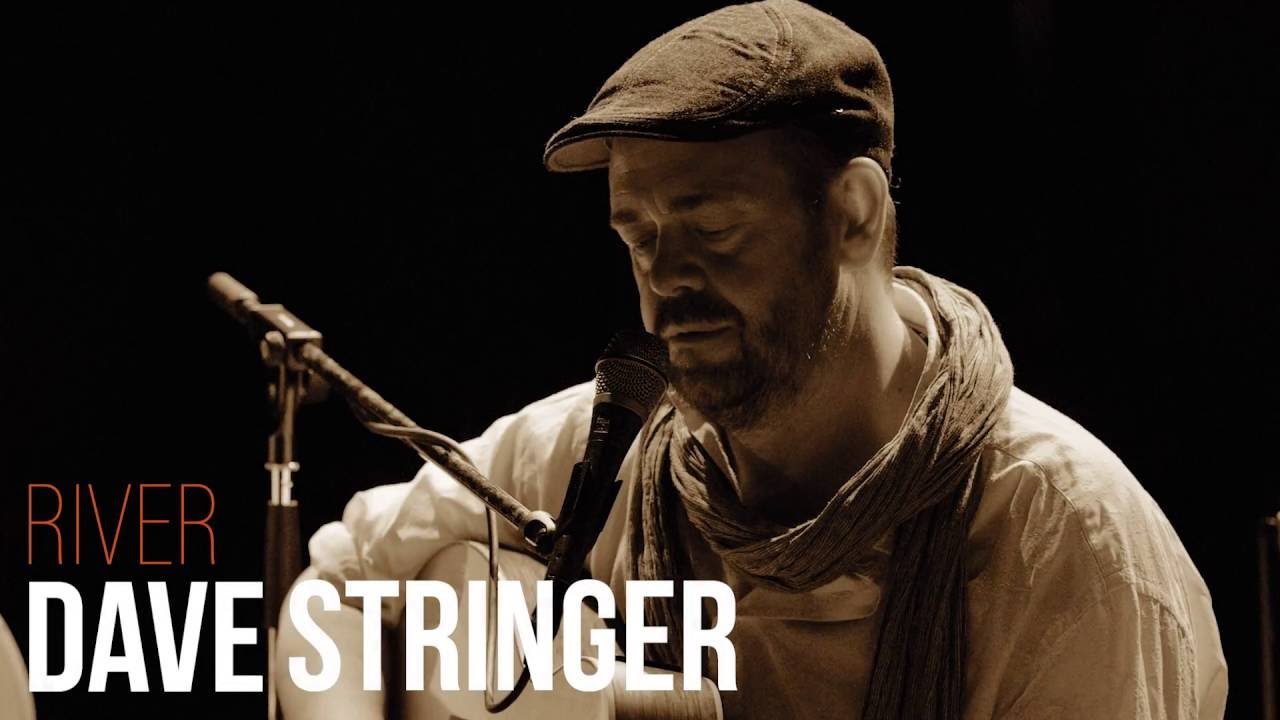
TLDR: Dave Stringer performs an intimate solo acoustic kirtan session featuring classical Indian ragas and Sanskrit mantras including Shivo'ham, Devakinandana, Kali Durge, and a Universal Prayer. Kirtan is a devotional practice that uses repetitive chanting, melody, and call-and-response to cultivate presence, invoke divine connection, and create a container for inner transformation through the marriage of sacred sound and musical form.
What is Solo Acoustic Kirtan?
Kirtan is a devotional singing practice rooted in Hindu and yogic traditions, where practitioners chant Sanskrit mantras and names of the divine in a participatory, often call-and-response format. When performed as solo acoustic kirtan—as in this BlessFest Online performance—the practice becomes more intimate and introspective. Rather than relying on a group's collective energy or amplified instruments, solo kirtan places the listener in direct relationship with the chanter's voice, the simplicity of acoustic instrumentation, and the vibrational quality of sacred sound itself. The soloist becomes a conduit, and the listener is invited into a meditative state through the repetition and melodic beauty of the chants.
The power of solo acoustic kirtan lies in its directness. Without the production elements or group dynamic, there is nowhere to hide—only the purity of intention, breath, and voice meeting the sacred names being invoked. This format is particularly suited to online platforms and intimate gatherings, where the listener can enter their own internal space while being held by the sound.
Understanding the Mantras Performed
The performance includes several specific mantras and classical Indian musical forms, each with distinct spiritual significance and melodic properties:
- Shivo'ham: This mantra translates to "I am Shiva"—a direct affirmation of one's identity with the absolute, infinite consciousness. Shiva represents pure awareness, the witnessing consciousness that underlies all experience. Chanting Shivo'ham is an act of recognizing one's own nature as divine consciousness itself, not separate from the ultimate reality. This mantra dissolves the illusion of separateness and invokes direct realization.
- Devakinandana (in Khammaj Raga): Devakinandana is a name for Krishna, meaning "the joy of Devaki" (Krishna's mother). This mantra invokes the divine play, joy, and sweetness associated with Krishna consciousness. The Khammaj raga—a classical Indian musical form—provides the melodic framework for the chant. Ragas are not merely scales; they are complete musical systems with their own emotional and spiritual qualities. Khammaj raga carries a particular brightness and devotional resonance that complements the intimate joy of Krishna worship.
- Kali Durge (in Durga Rag): This invocation addresses the feminine divine in her fierce and protective aspect—Kali and Durga are names for the divine mother in her role as destroyer of ignorance and protector of the dharma (cosmic order). Durga Rag is a classical form traditionally associated with warrior energy, courage, and spiritual protection. By combining this mantra with this particular raga, the chanter is not softening the goddess but honoring her full power and complexity. This reflects a sophisticated understanding of the divine feminine as neither gentle nor fierce exclusively, but containing both qualities in service of liberation.
- Universal Prayer: The Universal Prayer likely extends beyond any single tradition or mantra, offering a chant that invokes the divine or sacred principle as understood across spiritual paths. This inclusivity is consistent with the BlessFest Online platform's ecumenical approach to contemplative practice.
Why Do Ragas Matter in Kirtan?
The use of specific ragas—Khammaj and Durga Rag—is not decorative. Indian classical music theory understands that different ragas evoke different states of consciousness and emotional-spiritual qualities. A raga is a framework of melodic rules, ascending and descending patterns, emphasis notes, and a particular "rasa" (taste or emotional essence). When a skilled chanter applies a mantra to a raga, they are using both the phonetic power of the Sanskrit syllables and the vibrational and emotional properties of the musical form itself. This creates a multi-layered invocation that works on physical, emotional, and subtle energy levels simultaneously.
Khammaj, used here for Devakinandana, is known as a raga associated with devotion and brightness. Durga Rag carries intensity and protection. The choice of raga is thus a spiritual choice, not arbitrary.
The Practice of Solo Acoustic Chanting for the Listener
When engaging with solo acoustic kirtan, the listener's role is active, not passive. Even without participating in call-and-response, the listener can:
- Attune to the vibrational frequency: Sanskrit mantras are believed to carry specific vibrational signatures. By listening with attention, the listener's own subtle body resonates with those frequencies, creating a form of entrainment or synchronization.
- Follow the breath and rhythm: Kirtan is often structured around breath and pulse. Following the chanter's breath and the rhythmic patterns can anchor the listener's own breathing and heart rate, inducing a calm, coherent state.
- Cultivate intention and presence: By sitting with the chants, the listener can use the mantra as a focal point for their own meditation or prayer. The repetition naturally quiets the discursive mind.
- Invoke specific states of consciousness: Each mantra and raga combination is designed to evoke particular spiritual states. Shivo'ham points to non-dual awareness; Devakinandana to devotional joy; Kali Durge to fierce clarity and protection. The listener can consciously work with these invocations.
Kirtan in the Context of Online Spiritual Gatherings
BlessFest Online represents a significant shift in how devotional and contemplative practices are shared. Rather than requiring physical presence in a temple, ashram, or concert venue, kirtan has become accessible through streaming platforms. This democratization has both benefits and considerations. On one hand, individuals in remote areas or with mobility limitations can access these practices. On the other hand, the intimacy and collective energy of in-person kirtan has a unique quality that is difficult to replicate through a screen.
Solo acoustic kirtan for online audiences exists in an interesting middle ground. It is intimate enough to feel genuine and unadorned, yet available to many simultaneously. The listener can create their own sacred space—lighting candles, sitting in a particular way, setting intention—while being held by the transmitted sound and presence of the chanter.
How to Engage With This Performance
For those new to kirtan or listening to solo acoustic chanting for the first time, here are practical approaches:
- Set aside dedicated time: Rather than playing the video in the background, create a specific window where you can listen with full attention. The 40-minute duration naturally lends itself to a meditation or spiritual practice session.
- Create a clean listening environment: Minimize distractions. Use good-quality speakers or headphones to hear the subtle tonal qualities of the acoustic instruments and voice.
- Allow repetition to work: Kirtan relies on repetition. If you find a particular mantra repeating, don't resist it. The repetition is intentional and designed to deepen your relationship with the words and their meaning.
- Let your body respond: Some listeners naturally sway, rock, or move gently while listening to kirtan. This is not required but is often a natural response to the rhythm and energy. Honor whatever arises.
- Sit with silence after: When the performance concludes, resist the urge to immediately move on. Sit quietly for a few minutes to integrate the experience and notice any shifts in your internal state.
The Deeper Purpose of Devotional Chanting
Kirtan, at its deepest level, is not entertainment or even just stress relief—though it may provide both. It is a spiritual technology designed to thin the boundary between the individual self and the divine. By repeating sacred names and sounds, the chanter and listener are engaging in a form of prayer that is simultaneously meditation, invocation, and self-inquiry. The mantras point to ultimate truths: that consciousness is fundamental, that the divine manifests in infinite forms, that fierce protection and compassionate sweetness are both divine qualities, that individual awareness can recognize itself as universal awareness.
Solo acoustic kirtan offers this technology in its most direct form—voice, instruments, and sacred sound, without elaborate production or distraction. What remains is the essential act: human consciousness meeting sacred sound, and in that meeting, discovering something about the nature of consciousness itself.
Where to go from here
If this solo acoustic kirtan resonates with you, consider exploring further: listen to other performances by Dave Stringer to familiarize yourself with different ragas and mantras. Investigate the meanings of specific Sanskrit mantras to deepen your intellectual understanding alongside your direct experience. Consider learning call-and-response kirtan in a community setting to experience the collective power of group chanting. Explore classical Indian raga music to understand the deep musical structures being used. Most importantly, return to the practice repeatedly—kirtan is cumulative, and regular listening can shift your nervous system, emotional patterns, and ultimately your spiritual orientation over time.