What is Ganapati Om kirtan?
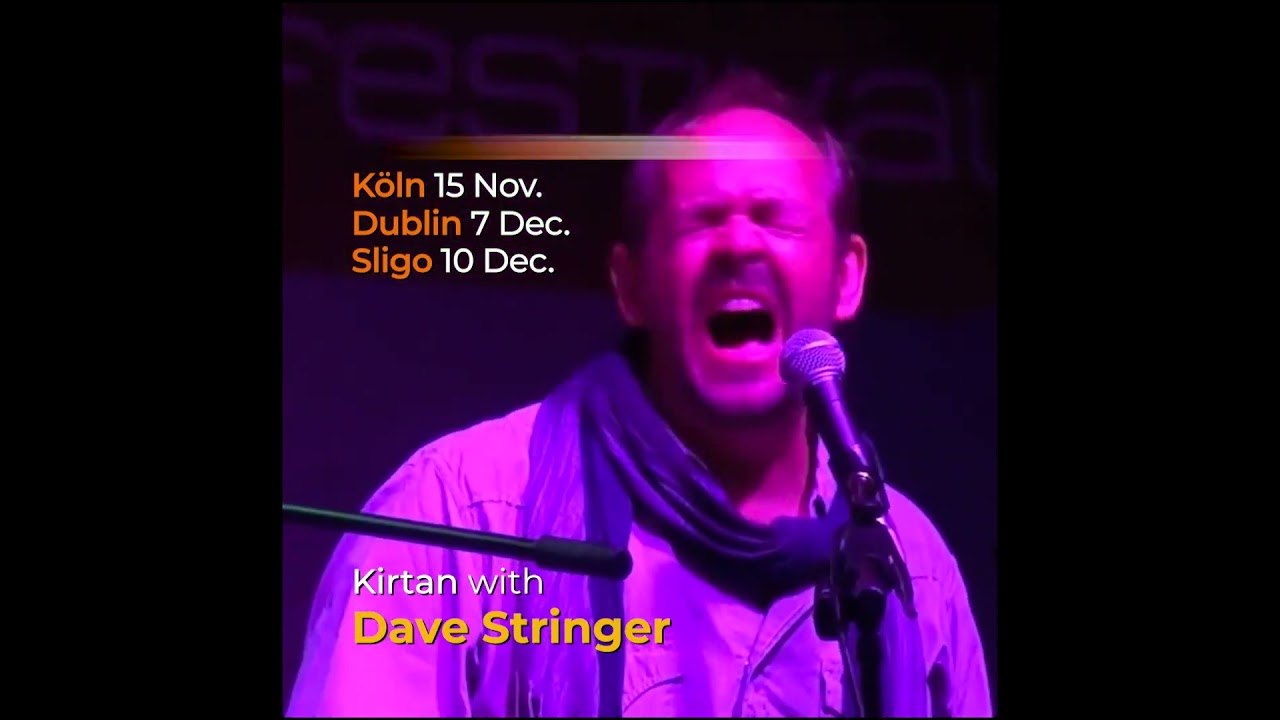
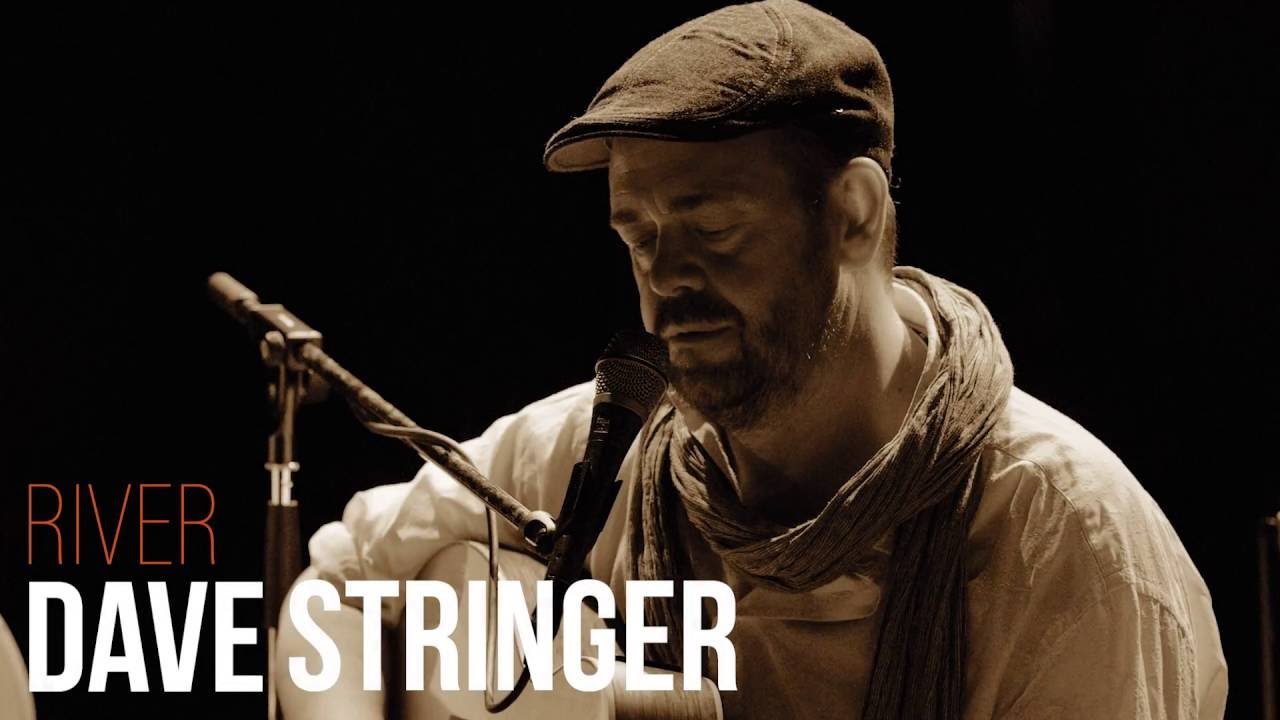
TLDR: This video documents a live kirtan performance of the Ganapati Om mantra, a devotional chant dedicated to Ganesha, the Hindu deity associated with removing obstacles and granting new beginnings. Dave Stringer leads the call-and-response chant with musical accompaniment from tabla (Daniel Paul), harmonium (Sparrow Grace), and bass (Brent Kuecker), recorded during a kirtan gathering in Port Townsend, Washington on October 11, 2015.
Kirtan is a participatory form of devotional music rooted in Hindu and bhakti traditions, in which a leader chants sacred mantras or names of deities, and the assembled group responds in call-and-response fashion. The Ganapati Om chant invokes Ganesha, one of the most widely worshipped deities in Hinduism, typically at the beginning of rituals, ceremonies, and spiritual practices. The mantra format—built around the sacred syllable "Om" and the name "Ganapati" (another name for Ganesha)—creates a rhythmic, meditative structure that allows participants to align their voices and consciousness with the intention of the chant.
Who is Ganesha and why begin with Ganapati Om?
Ganesha, also called Ganapati or Ganesh, is the elephant-headed deity in the Hindu pantheon who embodies the remover of obstacles, the lord of new beginnings, and the patron of arts and learning. Traditional Hindu practice places Ganesha at the threshold of spiritual work—he is invoked first in pujas (rituals), at the opening of ceremonies, and at the start of new endeavors. The symbolic logic is straightforward: before moving forward on any path, one must first acknowledge and ask for the removal of barriers, both internal and external.
The Ganapati Om mantra uses the sacred syllable Om—understood across yoga and meditation traditions as the primordial sound from which all existence emerges—combined with the name Ganapati. This combination grounds the practice in sound itself, allowing the devotee to experience the mantra not just as words asking for a blessing, but as a vibration that can itself clear obstacles to clarity and presence. In kirtan settings, the repetitive nature of the chant, reinforced by the rhythmic pulse of tabla and the melodic support of harmonium and bass, deepens the meditative effect and invites collective participation.
What role do the instruments play in this kirtan?
The recorded performance features a traditional North Indian kirtan ensemble. The tabla (hand drums played by Daniel Paul) provides the rhythmic foundation and heartbeat of the chant, keeping time while introducing subtle variations and patterns that draw participants deeper into the flow. The harmonium (played by Sparrow Grace) carries the melodic line, following Dave Stringer's vocal lead and offering harmonic support that guides singers through the mantra's contours. The bass (Brent Kuecker) anchors the harmonic and rhythmic layers, providing both grounding and textural depth.
Together, these instruments serve not merely as accompaniment but as active participants in the devotional space. The tabla's polyrhythmic patterns can induce a trance-like state that quiets the thinking mind. The harmonium's sustained tones and melodic variations allow participants to find their own vocal entry point, making the chant accessible to singers of varying skill levels. The bass provides a felt sense of stability and support, allowing voices to relax and surrender into the collective sound. In this way, a kirtan performance like the Ganapati Om becomes a shared sonic practice in which instrument and voice are inseparable.
How does call-and-response structure deepen devotional practice?
The call-and-response format of kirtan, in which the leader (Dave Stringer) sings a line or phrase and the congregation echoes it back, creates a unique participatory architecture. This structure removes barriers to entry—one does not need to read music, know Sanskrit, or have prior experience. The leader's voice becomes both a model and an invitation; the response from participants creates a felt sense of collective intention and unity.
Psychologically and spiritually, call-and-response in kirtan serves multiple functions. First, it keeps attention anchored in the present moment—you must listen to the leader's phrase to know what to repeat. This naturally quiets mental chatter. Second, the repetition of the mantra embeds it deeper into consciousness, allowing its meaning and vibration to work below the level of deliberate thought. Third, the collective voice creates a feedback loop: as individuals hear themselves singing within a group, the experience of individual identity softens, and a sense of shared consciousness begins to emerge. This is part of why kirtan practitioners often report feelings of connection, peace, or expanded awareness.
What does it mean to chant Ganapati Om as a practice?
Chanting the Ganapati Om mantra is understood in bhakti traditions as an act of devotion—a way of acknowledging and calling upon divine qualities associated with Ganesha. Unlike prayer in some Western traditions, which may involve requests or petitions, mantra chanting in bhakti traditions is often understood as a practice of alignment and resonance. By chanting the name and form of a deity, the practitioner is not only asking for external help but also cultivating within themselves the qualities that deity represents.
In the case of Ganapati Om, this means cultivating clarity (the removal of obstacles), creative beginnings, and wisdom. The practice assumes that chanting the mantra tunes the nervous system, mind, and subtle body to frequencies associated with these qualities. Over time, through regular practice, the vibration of the mantra is thought to reshape consciousness and lived experience. A kirtan gathering like the one Dave Stringer leads is one container for this practice—the group energy, the instruments, the shared rhythm, and the beauty of collective sound all support deeper engagement than solo chanting might provide.
What is the significance of the Port Townsend setting?
Port Townsend, Washington, has long been known as a hub for spiritual and artistic communities in the Pacific Northwest. The October 2015 recording captures a moment in the growing accessibility of bhakti and kirtan practices in North America. While kirtan traditions originated in India, particularly in North India and the regions where Hinduism, Sikhism, and Sufi devotional practices flourished, kirtan has increasingly been adopted by Western practitioners and teachers as a form of meditation, community practice, and spiritual development. Dave Stringer's performance in Port Townsend reflects this cross-cultural movement—American and European practitioners embracing Indian devotional forms as valid paths toward inner peace and collective harmony.
How can listeners engage with this kirtan practice?
For those unfamiliar with kirtan, watching or listening to this Ganapati Om performance can serve as an entry point. The video captures the essence of what kirtan is: a group engaged in rhythmic, melodic chanting of sacred names, supported by traditional instruments. Listeners can allow themselves to simply receive the sound, without needing to understand Sanskrit or follow intellectual content. The mantra "Ganapati Om" is short enough to pick up quickly; many who watch will find themselves naturally humming or chanting along by the end.
For practitioners, this recording documents a live kirtan in progress and can serve as inspiration or a model for how to structure kirtan gatherings. The balance among instruments, the clarity of Dave Stringer's vocal lead, and the participation of Sparrow Grace, Daniel Paul, and Brent Kuecker demonstrate how a well-arranged ensemble supports the devotional intention. Those interested in deepening their engagement might seek out longer kirtan sessions, learn basic Sanskrit pronunciation, or participate in local kirtan circles. The practice invites no special credentials—only a willingness to join your voice with others and to experiment with what it feels like to chant sacred sound.
Where to go from here
This brief kirtan excerpt is best understood as a doorway rather than a complete teaching. To deepen understanding, one might explore longer kirtan recordings, study the mythology and qualities of Ganesha, or attend a live kirtan gathering in person (where the energy and experience are often more palpable than recorded audio or video). Learning the names and qualities of other deities—such as Hanuman, Durga, Krishna, or Devi—will provide richer context for why bhakti practitioners invoke these figures through chant. For those interested in the instruments themselves, seeking out tabla or harmonium lessons or recordings can illuminate how these instruments function within devotional music traditions. Most broadly, regular engagement with kirtan—whether through listening, chanting alone, or joining community gatherings—is itself the deepest learning, as the practice is designed to be experienced directly rather than understood conceptually.