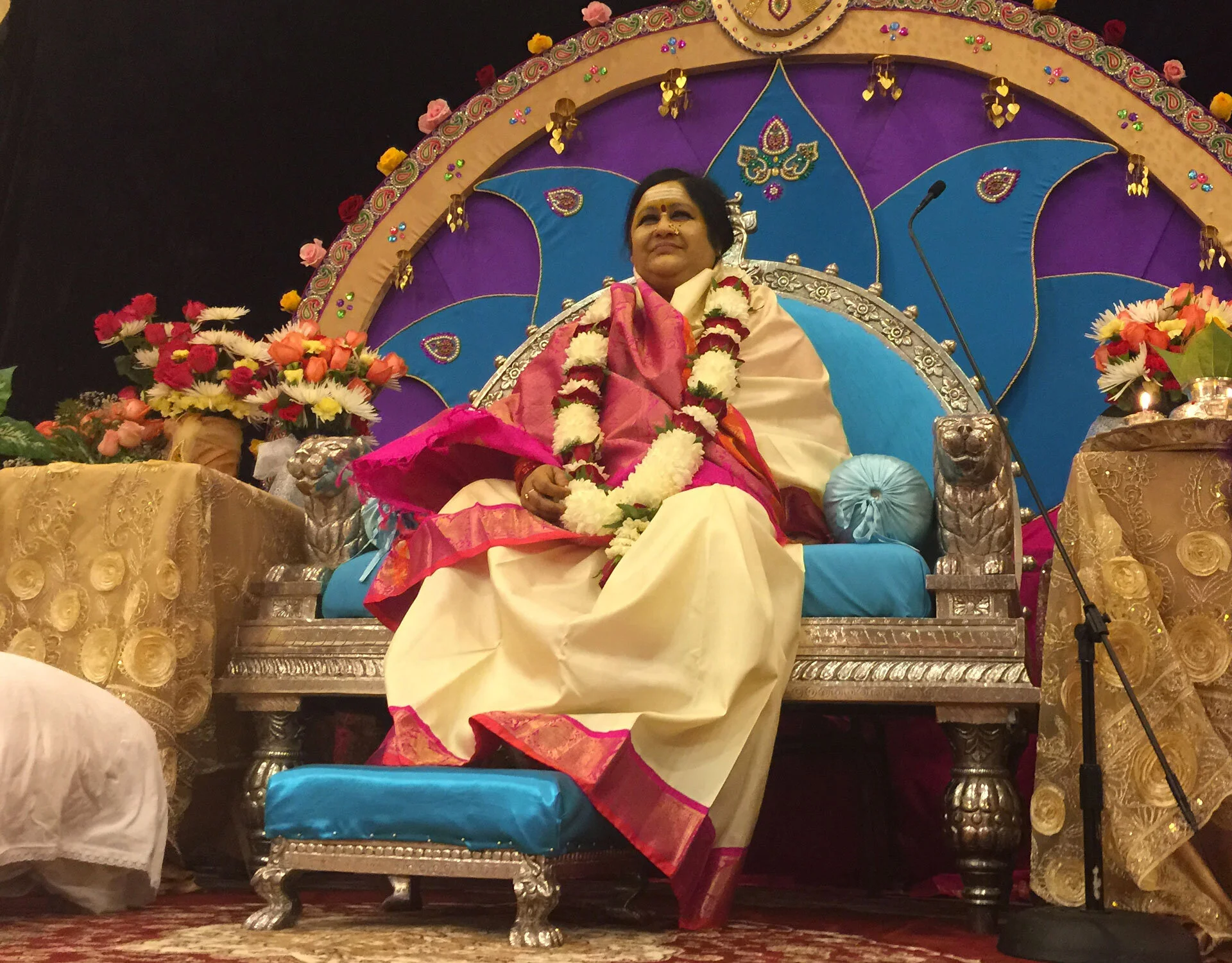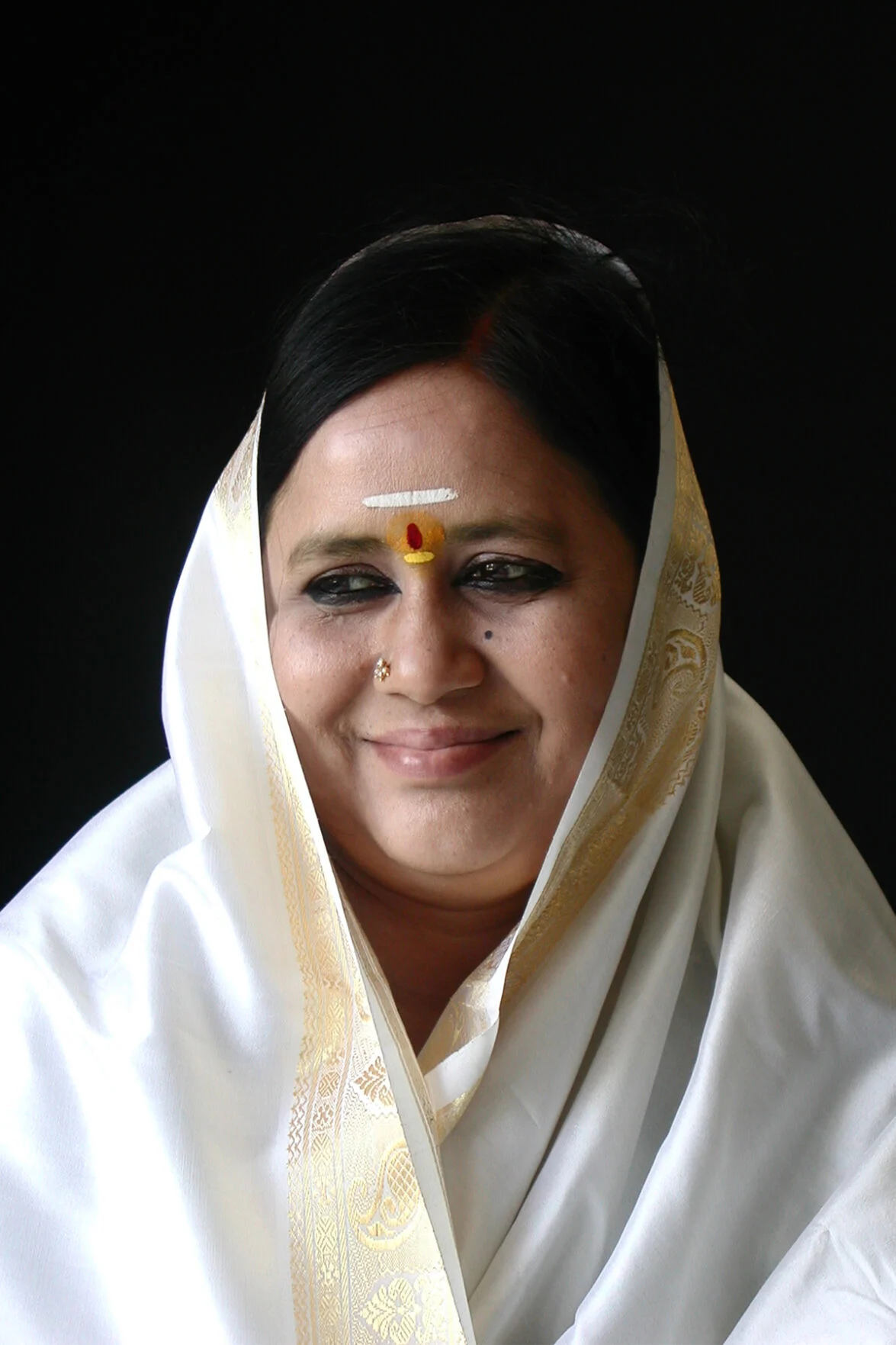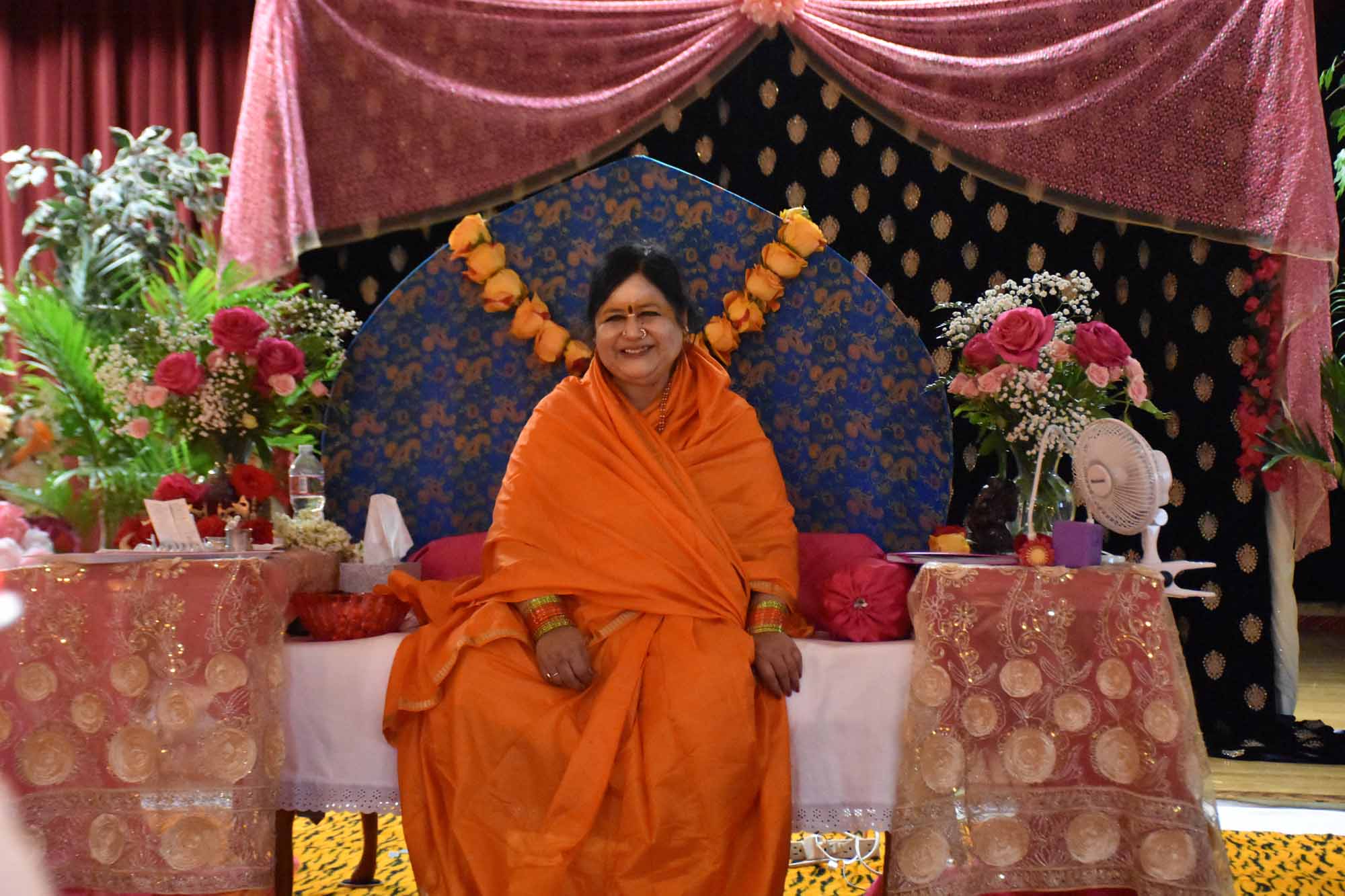

Sri Devi Khadgamala Stotra Ratna by Sri Karunamayi: A Listening Guide
Released in 2014, Sri Devi Khadgamala Stotra Ratna represents a distilled expression of Sri Karunamayi's devotional practice nearly five decades into her spiritual journey. By this point in her arc, the teacher known as Amma had spent years leading retreats and transmitting ancient wisdom through both discourse and song. This album stands as a focused offering—just three tracks—capturing one of the most potent Shakti invocations in the Hindu tantric tradition. Rather than a wide-ranging collection, it's a deliberate ceremonial document, a single stotra (hymn of praise) rendered with the authority of lived spiritual experience.
The Sonic Landscape
The sonic character of Sri Devi Khadgamala Stotra Ratna is rooted in classical devotional austerity. Sri Karunamayi's voice carries the recording, unadorned and direct, chanting the Sanskrit verses with measured precision. The instrumentation remains minimal—traditional Indian harmonium and tanpura provide a continuous drone that anchors the chanting, creating a meditative foundation that never competes with the sacred text. Occasional bells and percussion punctuate transitions between sections, but the production philosophy clearly prioritizes clarity of mantra over musical embellishment.
The pacing is deliberate, almost ritualistic in its refusal to rush. Each of the thousand names of the Divine Mother receives its due attention, creating a cumulative hypnotic effect. The mood is neither celebratory nor mournful but rather reverent and focused—this is devotional music as spiritual technology, designed to create specific states of consciousness rather than emotional catharsis. There's an intimacy to the recording quality that suggests you're sitting in the prayer room with the teacher, participating rather than merely listening.
Signature Moments
With only three tracks comprising the complete Khadgamala Stotra, each segment serves a distinct function in the overall architecture. The opening track establishes the framework of the practice, with Sri Karunamayi's voice finding its groove in the repetitive structure of the naming ceremony. What makes this section land is the gradual shift from listening to the words as language to experiencing them as vibration—by the midpoint, the Sanskrit syllables become waves of sound that bypass intellectual comprehension.
The middle section deepens the trance state, where the chanting takes on an almost conversational quality, as if the practitioner is moving from formal invocation into intimate dialogue with the divine feminine. The tanpura drone becomes more pronounced here, and the space between names seems to expand, allowing each to resonate more fully. This is where the album reaches its deepest meditative pocket.
The concluding track brings the ceremony to closure with traditional benedictions and completion mantras. There's a subtle shift in Sri Karunamayi's vocal energy here—a sense of fullness, of having made the journey through all thousand names and arriving at a place of grace. The final moments fade gently, leaving silence that feels charged rather than empty.
Traditional Context
The Devi Khadgamala Stotra occupies a central place in Sri Vidya tradition, one of the most sophisticated schools of tantric practice devoted to the Divine Mother. Unlike more accessible bhakti kirtan albums designed for group singing, this recording preserves the formal structure of a stotra meant for serious sadhana (spiritual practice). It exists in the lineage of teaching recordings—albums created not primarily for entertainment or even inspiration, but as tools for practitioners who have received initiation into these mantras and need a guide for their daily recitation.
This places the album in a specific niche within devotional music: it's ambient in its effect, meditative in its function, yet deeply traditional in its content and execution. It shares more DNA with Vedic chanting recordings than with contemporary kirtan albums, though Sri Karunamayi's warmth prevents it from feeling academically distant.
Who This Serves
Sri Devi Khadgamala Stotra Ratna lands hardest for practitioners already walking a devotional path, particularly those drawn to the feminine aspect of divinity or engaged with tantric spiritual practices. It serves students who need a reliable, authoritative recording to accompany their own recitation practice—the vocal equivalent of a meditation timer, but imbued with the presence of an realized teacher.
This album also finds its listeners among those in transitions requiring sustained spiritual support: grief, healing, major life recalibrations. It's for moments when you need to surrender personal narrative to something larger and more ancient than your current struggle. The repetitive nature and extended length (each track spans significant time) make it ideal for those seeking to move beyond the chattering mind into deeper states of absorption.
Listening Recommendations
This is not background music for multitasking. Set aside at least one full track's worth of uninterrupted time, ideally during traditional practice hours—early morning or twilight. Headphones create the necessary intimacy, though playing it aloud in a dedicated space works equally well if you're using it as actual practice support.
Consider lighting a candle or incense to mark the transition from ordinary time to sacred time. Sit rather than recline. If you know the practice, chant along; if you're new to it, simply allow the sound to wash over you without trying to understand every word. The evening hours, when the day's demands have quieted, offer the mental spaciousness this work requires. Return to it repeatedly—this is music that reveals itself through familiarity, not novelty.