
Piya DnB (Drum and Bass Remix) by Sheela Bringi: A Listening Guide
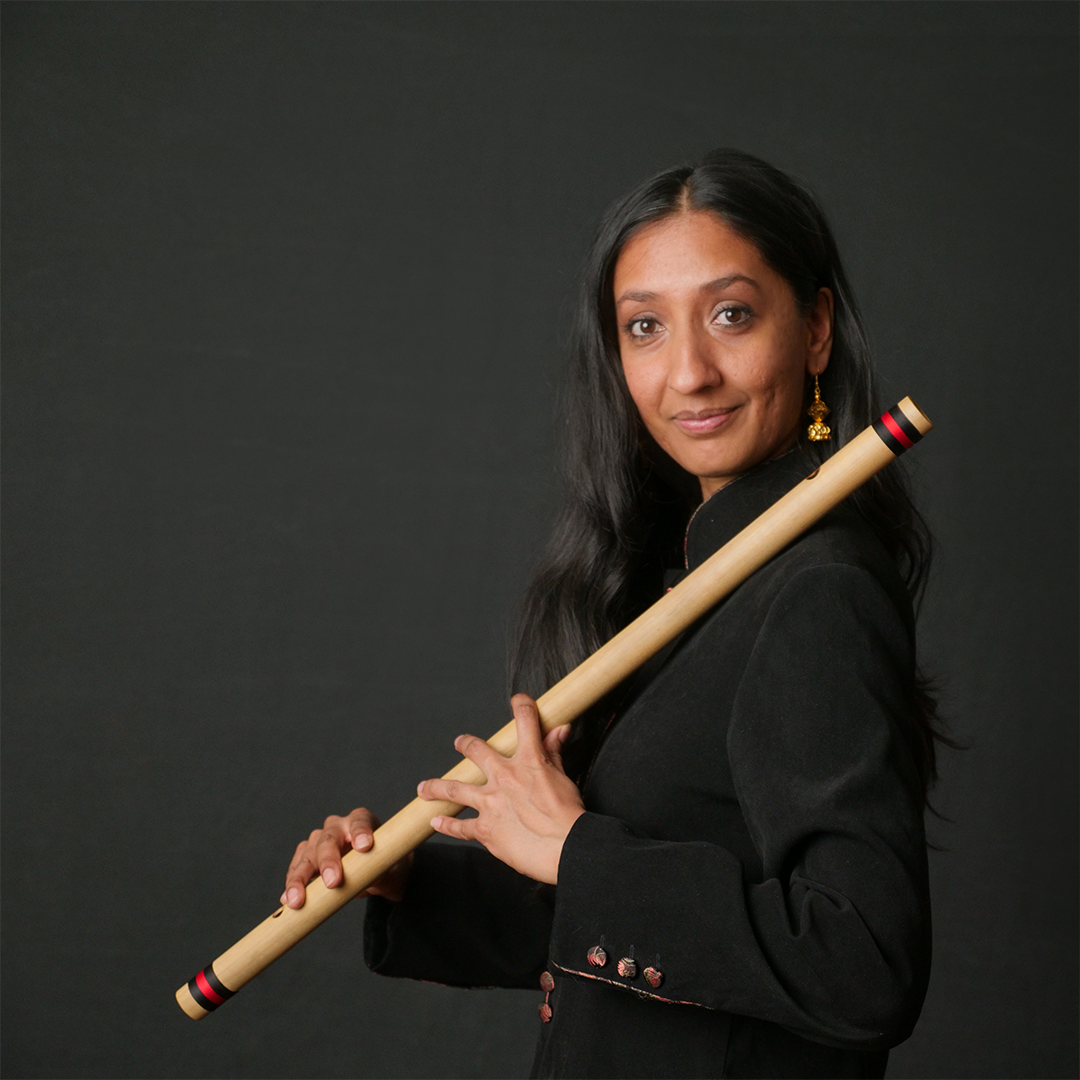
When a classically trained North Indian vocalist and multi-instrumentalist known for Grammy-nominated devotional work suddenly drops a drum and bass remix, you pay attention. Sheela Bringi's "Piya DnB" (released February 2024) represents something more adventurous than a simple genre experiment—it's a bridge between the meditative pulse of bhakti tradition and the kinetic urgency of contemporary electronic music. After decades of contributing her Indian vocals, bansuri flute, and raga harp to over fifty new age and world music records, Bringi turns toward something faster, younger, and utterly unexpected.
This single-track release asks a bold question: what happens when devotional longing meets 170 BPM? The answer is surprisingly coherent, revealing that the ecstatic rush of kirtan and the elevated heart rate of drum and bass might share more DNA than we'd assume.
The Sonic Architecture
"Piya DnB" builds its foundation on Bringi's unmistakable vocal delivery—steeped in North Indian classical technique, carrying the melodic sophistication of raga-based phrasing, and imbued with the emotional directness of bhakti devotion. The word "piya" itself (meaning "beloved") echoes through the track as both mantra and hook, repeated with increasing intensity as the production unfolds beneath it.
The instrumentation layers traditional and contemporary elements without creating collision. Bringi's vocals float above a relentless breakbeat backbone, those signature drum and bass rhythms chopping and reassembling with surgical precision. Synth pads provide harmonic cushioning, creating space for the voice to breathe even as the percussion fragments into liquid patterns. There's likely presence of her bansuri flute work woven through quieter moments, though transformed by production into something that hovers between acoustic instrument and synthesized texture.
The mood oscillates between contemplative and euphoric. Where traditional kirtan builds energy through repetition and communal response, this remix achieves lift-off through tempo and production dynamics. The pacing never relents—this is drum and bass after all—but within that forward momentum, Bringi carves out pockets of stillness, moments where melody suspends time even as the breakbeats hurtle forward.
The Track That Lands
Since this is a single-track release, "Piya DnB" carries the entire weight of the concept. What makes it land is the refusal to compromise either tradition. The drum and bass production isn't window dressing for world music tourism, nor are the vocals simply exotic sampling fodder. Instead, both elements exist in genuine conversation. The track recognizes that devotional music and dance music share a common purpose: to transport the listener beyond ordinary consciousness through rhythm and repetition.
The remix succeeds because it honors the yearning at the heart of bhakti practice—that reaching toward the divine beloved—while acknowledging that spiritual seeking in 2024 might happen on a dance floor as readily as in a temple. The breakbeats create urgency without aggression, the vocals provide direction without dogma, and the combination suggests that ecstasy comes in many forms and frequencies.
Tradition, Translated
In the landscape of devotional music, "Piya DnB" occupies unusual territory. Bhakti kirtan has already undergone several modern transformations—from Jai Uttal's psychedelic fusion to Krishna Das's stadium-sized gatherings to MC Yogi's hip-hop influenced mantras. Electronic production has touched sacred music before, usually in ambient or downtempo contexts, creating soundscapes for meditation and yoga.
But drum and bass brings different energy entirely. This is music engineered for movement, for altered states achieved through physical exertion rather than seated stillness. By dragging bhakti devotion into this high-velocity space, Bringi suggests that the tradition is more elastic than its presentation might suggest. The core remains—love, longing, the calling out to the beloved—but the container morphs to meet contemporary seekers where they actually live.
Who Needs This
"Piya DnB" lands hardest for listeners caught between worlds: those raised on both temple chanting and Spotify playlists, spiritual seekers who also haunt underground club nights, yoga practitioners who get restless in silent meditation, anyone who suspects that sacred and secular might be false categories.
This track serves the life moment when devotion needs velocity, when sitting still feels like stagnation, when you want to pray but also want to move. It's for the second-generation inheritor of tradition seeking to honor lineage while speaking contemporary language. It's for the dance music head who senses that three-hour DJ sets and three-hour kirtans might be cousins in disguise.
How to Listen
Despite its dancefloor DNA, "Piya DnB" rewards headphone listening in moments of deliberate solitude. Late evening, when energy remains but the day's tasks have concluded. Let it play loud enough that the bass frequencies become tactile. Allow your body to respond—this music was designed for movement, even if that movement is simply nodding your head or swaying where you sit.
Alternatively, build it into a transitional ritual: the bridge between meditation and the world, the soundtrack for preparation before stepping out into the night, the energetic reset when stillness alone isn't enough. This is devotional music for bodies that need to move in order to pray.