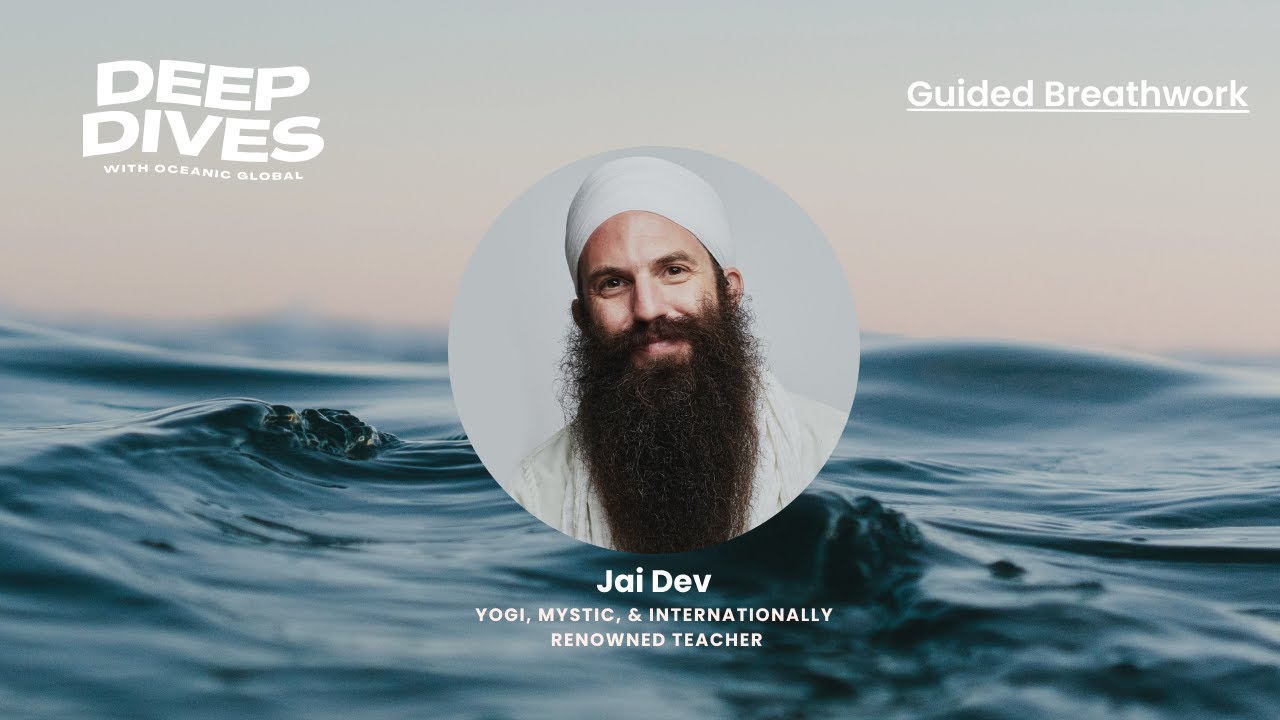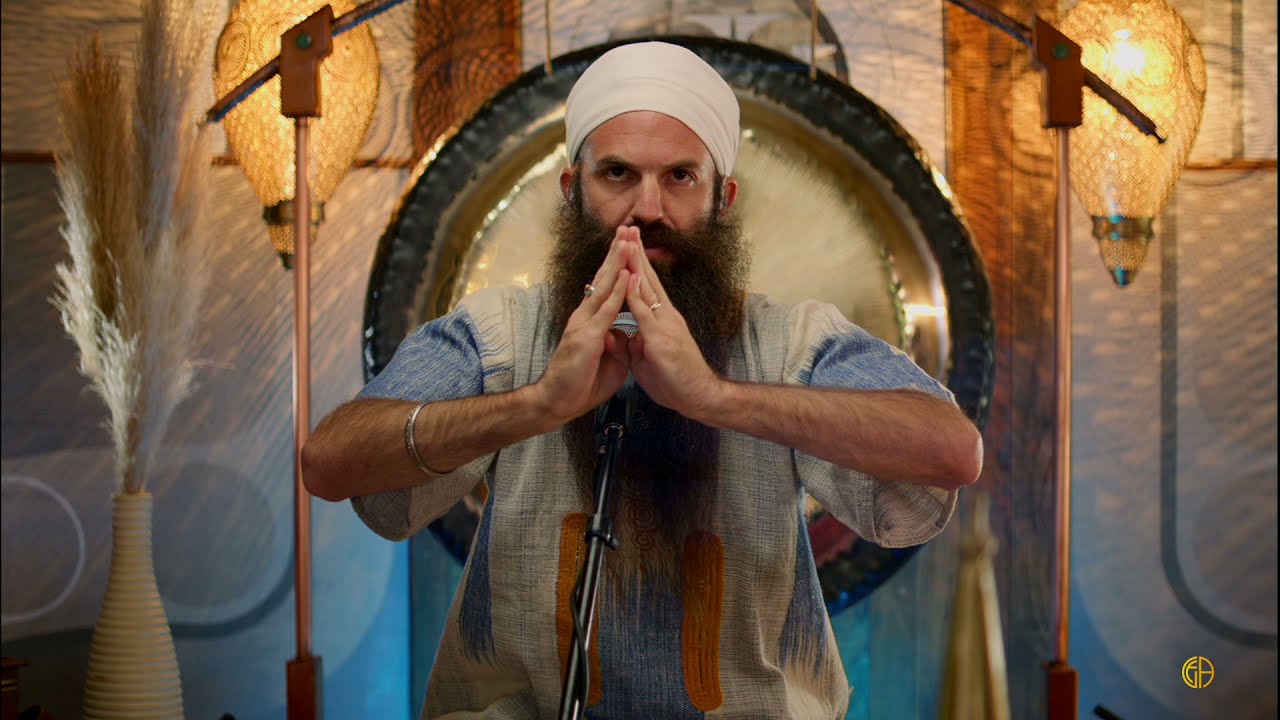

The Music of Jai Dev Singh: Sound, Sacred Texture, and Lineage
The Sound Itself
Jai Dev Singh's music lives in the repetitive, trance-inducing world of Kundalini mantra—less song than sonic ritual. His recordings are built on the foundation of ancient Gurmukhi chants, often delivered in a steady, rhythmic monotone that prioritizes vibration over melody. The voice is central but not theatrical; it carries the weighted resonance of someone speaking directly into the base of the spine rather than projecting toward an audience.
Instrumentation tends toward simplicity: harmonium drones, tabla or frame drum keeping steady cyclical time, occasional tanpura threading through for textural depth. Unlike the ornate arrangements of contemporary kirtan or the production-heavy sheen of yoga studio playlists, Singh's recordings often feel deliberately spare—room tone audible, breath present, the overtones of the harmonium allowed to hang and decay naturally. This isn't minimalism as aesthetic choice; it's functional music, designed to support practice rather than performance.
Tempos vary according to the mantra's purpose. Slower chants for grounding—"Sat Nam" stretched to match breath cycles—can feel almost glacial. Others, particularly kriyas intended to activate energy, accelerate into rapid-fire repetition, the voice becoming percussive, syllables stacking like cells dividing. The texture throughout remains fairly raw, with little in the way of reverb or studio gloss. You can hear the room. You can hear the body.
Lineage and Tradition
Singh works squarely within the Kundalini Yoga lineage established by Yogi Bhajan, who brought the practice to the West in 1969. This tradition emphasizes mantra as technology—specific sound currents that act on the glandular system, nervous system, and subtle energy channels. The mantras are drawn primarily from the Sikh tradition's Gurbani (sacred hymns from the Guru Granth Sahib) and classical Sanskrit root sounds.
This isn't devotional in the bhakti sense of heart-centered worship or the ecstatic community singing of kirtan. Kundalini mantra practice is more akin to vibrational engineering: precise sequences of sound meant to produce specific physiological and energetic effects. "Ek Ong Kar Sat Nam Siri Wahe Guru" is prescribed for a particular outcome; "Ra Ma Da Sa" for another. The mantras aren't invocations to deities but tuning mechanisms for consciousness itself.
Singh operates as a lineage holder and transmitter, his role less about innovation and more about preservation and clear delivery. The Kundalini tradition values accuracy—correct pronunciation, proper cadence, the preservation of sound codes handed down through the lineage.
Signature Contribution
Where Singh distinguishes himself is in accessibility without dilution. His recordings manage to maintain the austere power of traditional practice while remaining approachable to Western practitioners new to the form. He doesn't add extraneous instrumentation or attempt to make the mantras more "musical" in conventional terms. Instead, his contribution lies in clear, grounded transmission—recordings that could actually be used in a home practice, not merely listened to passively.
There's also a quality of sustained presence in his longer tracks. Some recordings extend past twenty minutes, maintaining energetic consistency without flagging or becoming perfunctory. This durability matters in functional mantra practice, where the repetition itself is the point.
The Wider Landscape
In the conscious music ecosystem, Singh occupies a different zone than kirtan artists like Krishna Das or Snatam Kaur, whose work often bridges sacred practice and concert performance. He's closer to the pure functionality of Mirabai Ceiba's mantra albums or the Kundalini-specific catalogs of artists like Nirinjan Kaur and Snatam Kaur's more traditional recordings.
He exists outside the neo-bhakti movement's emotionalism and the sound-bath ambient drift that dominates much of the yoga music market. His music isn't meant to relax you in a spa setting—it's meant to activate, to reorganize, to provide structure for a specific spiritual technology.
What to Expect on First Listen
New listeners may find Singh's music monotonous if approaching it as music in the entertainment sense. The repetition is the point. The lack of harmonic development or melodic arc isn't a limitation but a feature. You're meant to enter the sound, to let the syllables become autonomic.
What may surprise: how physical it feels. The voice sits in the body differently than singing. The steady pulse can produce mild trance states even on casual listening. And there's an unexpected clarity—no mystical murkiness or reverb-drowned vagueness. Just sound, repeated, until it becomes something else entirely.
This is music as practice tool, not soundtrack. Approach it that way, and its peculiar power becomes evident.