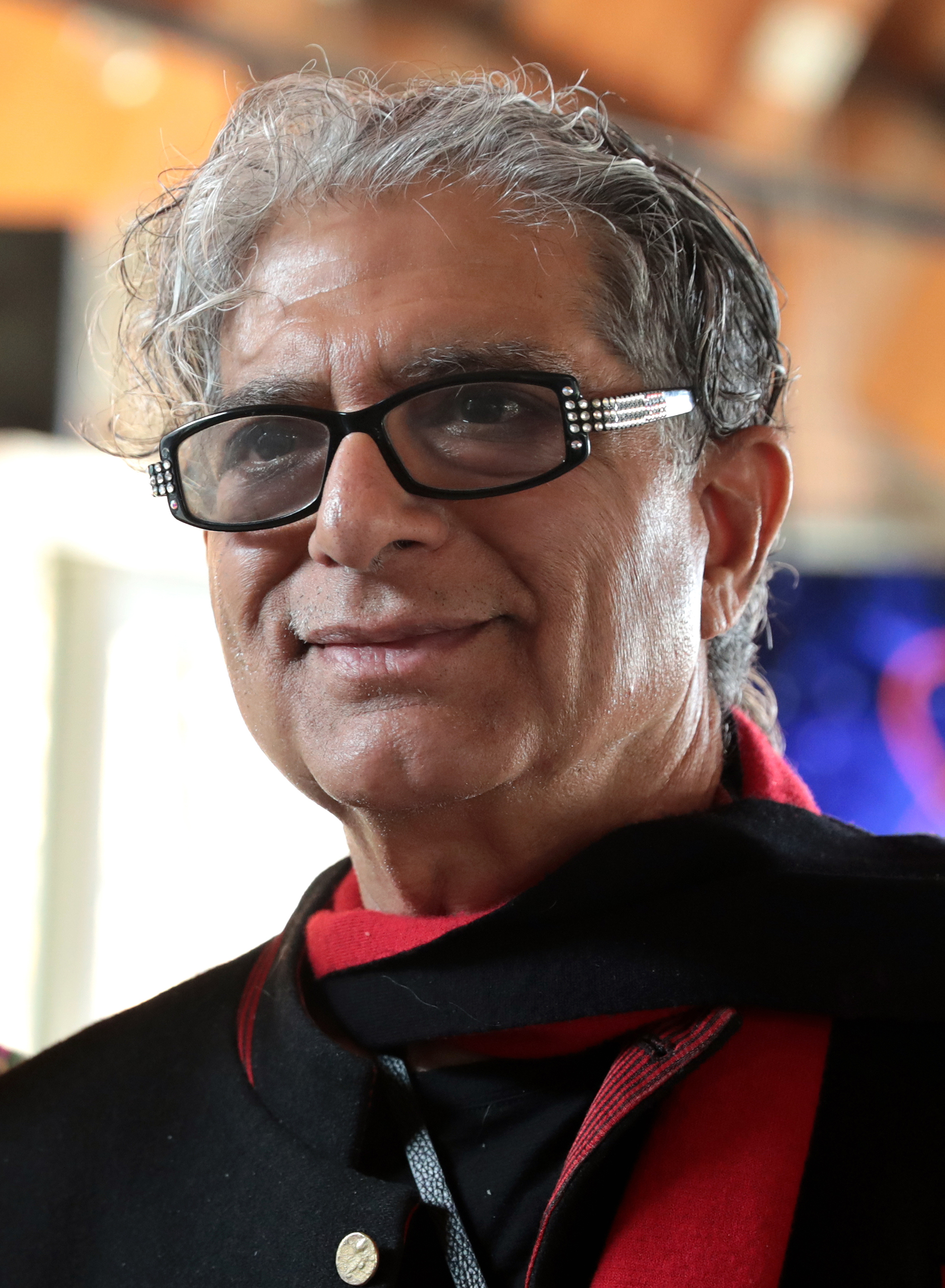

Origins and Early Life
The biographical record of Deepak Chopra's early years remains sparsely documented in available sources, though what is known situates him firmly within the landscape of American spirituality and wellness culture. What emerges most clearly is not the granular detail of childhood, but rather the arc of transformation—a journey that would eventually position him as one of the most recognizable voices in alternative medicine and New Age thought.
The Path to Alternative Medicine
Chopra's defining turn came through his immersion in alternative medicine and holistic healing practices. Unlike many spiritual teachers who emerge from traditional religious lineages, Chopra carved out a unique space at the intersection of Eastern philosophy, wellness practices, and Western entrepreneurship. This synthesis would become his signature—a willingness to translate ancient wisdom traditions into the language of modern self-help and personal transformation.
His approach represented a departure from conventional medical thinking, embracing instead a paradigm that emphasized the connection between mind, body, and spirit. This philosophical pivot would not only define his career but also help catalyze a broader cultural shift toward integrative health practices in America.
Core Contributions and Cultural Impact
Chopra's primary contribution lies in his role as a popularizer and translator of spiritual concepts for Western, particularly American, audiences. As a New Age guru, he has functioned as a bridge between esoteric traditions and mainstream wellness culture, making meditation, consciousness studies, and holistic health accessible to millions who might never have encountered these ideas otherwise.
His work in alternative medicine advocacy has positioned him as both a celebrated figure and a controversial one. Critics have questioned the scientific basis of some claims, while supporters credit him with opening minds to healing modalities beyond conventional Western medicine. Regardless of perspective, his influence on the wellness industry is undeniable—he helped transform practices once considered fringe into increasingly mainstream pursuits.
Through books and videos, Chopra built an empire of ideas, becoming one of the wealthiest figures in the alternative medicine space. This commercial success, while sometimes viewed skeptically, also demonstrates the genuine hunger for the type of spiritual and physical integration he advocates.
Major Works and Platforms
Chopra's bibliography is extensive, with books that have reached bestseller lists and found their way into homes around the world. His videos have similarly garnered significant viewership, spreading his teachings through multiple media formats. The substantial Spotify following of over 172,000 listeners indicates his reach extends into audio content as well, whether through guided meditations, lectures, or conversations.
His work encompasses spiritual teaching broadly conceived—drawing on traditions of meditation, devotion, and satsang (spiritual discourse). These practices, rooted in Indian philosophical traditions, are recontextualized in Chopra's work for contemporary seekers navigating the stresses and disconnections of modern life.
Current Work and Continuing Influence
Chopra remains an active presence in the wellness and spirituality landscape. His ongoing work continues to explore themes of consciousness, healing, and human potential. The digital age has proven particularly conducive to his message, allowing him to reach global audiences through multiple platforms simultaneously.
His current chapter is characterized by an established authority—he speaks not as an emerging voice but as an elder statesman of the New Age movement, someone whose decades of work have earned him a prominent seat at the table of American spiritual discourse.
Cultural Significance and Reach
To understand who Deepak Chopra matters to is to understand a particular strain of American spirituality that emerged in the late twentieth century and has only grown more influential. His audience consists largely of seekers dissatisfied with purely materialistic worldviews, people looking for frameworks that honor both scientific inquiry and spiritual experience.
He matters because he represents a broader cultural phenomenon: the hunger for meaning beyond consumerism, the desire for healing practices that treat the whole person, and the appetite for wisdom traditions that speak to universal human experiences. Whether one agrees with his specific claims or not, Chopra's success points to something real—a genuine need for integration, for practices that address not just physical symptoms but existential questions.
His legacy will likely be measured not in specific techniques or theories, but in his role as a cultural translator during a pivotal time of transition. He helped make meditation normal, made conversations about consciousness mainstream, and demonstrated that there was a vast market for spiritual teaching delivered in accessible, contemporary language.
In the end, Chopra's significance lies in his positioning at the crossroads of multiple cultural streams—Eastern and Western thought, ancient wisdom and modern media, spiritual seeking and entrepreneurial success. He built a platform that millions have encountered, and in doing so, helped shape the contours of American spirituality in our time.