Your First Visit to Spirit Rock Meditation Center: What to Expect
Arriving at the Center
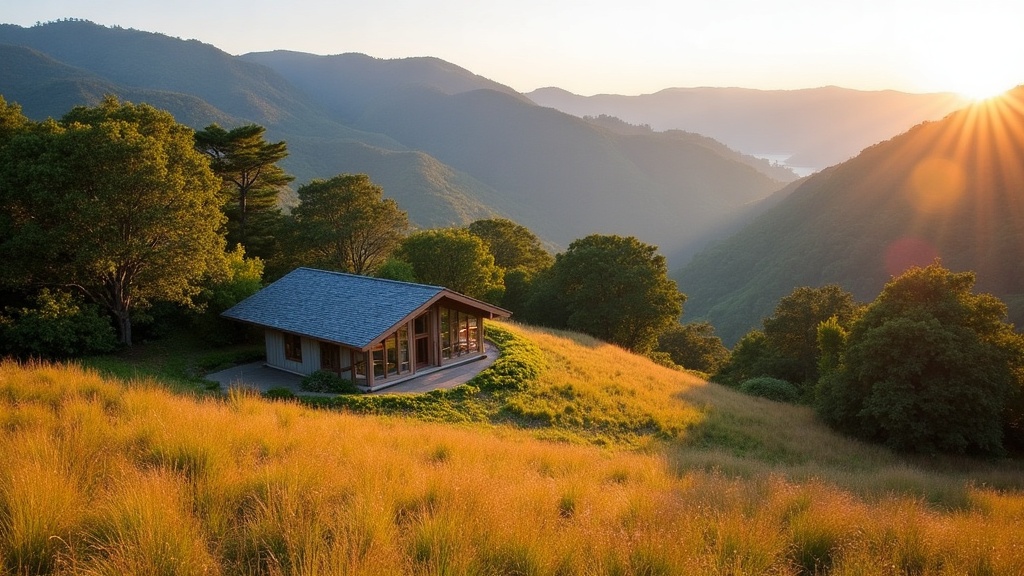
The drive to Spirit Rock takes you through the rolling golden hills of west Marin County, past dairy farms and eucalyptus groves. You'll turn off the main road onto Sir Francis Drake Boulevard, then wind through Woodacre until you spot the low-slung buildings nestled against the hillside. The architecture is deliberately unassuming—wooden structures that seem to bow to the land rather than dominate it.
Check-in typically happens in the early afternoon. You'll park in the gravel lot and make your way to the registration building, where staff will greet you with quiet warmth. They'll hand you a folder with your room assignment, meal times, and the retreat schedule. This is your last chance to ask practical questions before noble silence begins—and yes, it usually begins right after check-in, so if you need to coordinate with a friend about carpooling home, do it in the parking lot.
The Rhythm of the Days
Your alarm will not wake you—bells will. The first one sounds around 5:45 a.m., giving you time to dress and make your way to the meditation hall by 6:00. The hall itself is the heart of Spirit Rock: a soaring space with redwood beams and western-facing windows that frame the Marin ridgeline. In the early morning it's dim and cool. By late afternoon, when the California sun slants through those windows, the interior glows amber.
The schedule follows a pattern that will quickly become familiar. Sitting meditation alternates with walking meditation throughout the morning. A typical period might be 45 minutes of sitting, followed by 30 minutes of walking, then sitting again. You'll break for breakfast around 7:30, which is eaten in silence at long tables in the dining hall. Mid-morning brings more meditation, then lunch around noon—the main meal of the day.
Afternoons offer more spaciousness. There's usually a work period where you might sweep paths, fold laundry, or help in the kitchen. Then comes free time: you can walk the property, rest in your room, or continue practicing on your own. The evening dharma talk begins around 7:00 or 7:30, after a light dinner. Teachers vary—you might hear from someone who studied in Burmese monasteries, or someone who's brought mindfulness into Western psychology—but they share a commitment to direct, unsentimental teaching rooted in the Theravada tradition.
Where You'll Sleep
The accommodations are simple, almost austere. If you're in a shared room, expect two to four beds with basic linens, a dresser, and not much else. Some rooms have their own bathrooms; others share facilities down the hall. Private rooms, when available, offer solitude but the same essential simplicity: a single bed, a small desk, a window. This is not a spa retreat. The rooms serve their purpose—rest and sleep—without pretense.
What you won't find: TVs, WiFi, luxury bedding, or decorative touches. What you will find: quiet, cleanliness, and a view of oak-studded hills through your window.
The Food
Meals at Spirit Rock trend vegetarian and whole-foods based, with an emphasis on fresh, local ingredients. Breakfast might be oatmeal with fruit, yogurt, hard-boiled eggs. Lunch—the larger meal—could include soup, salad, a grain dish, roasted vegetables, and bread. Dinner is lighter: perhaps more soup, cheese, crackers, fruit.
The food is nourishing rather than exciting, though many first-timers are surprised by how much they enjoy the simplicity. When you're eating slowly, in silence, paying attention to each bite, even brown rice becomes interesting. There's usually a good selection for various dietary needs—gluten-free, vegan—though you should note any requirements when you register.
What to Pack (and What to Leave Behind)
Bring layers. Marin mornings can be cold even in summer, and the meditation hall gets chilly before dawn. Comfortable, loose clothing for sitting—yoga pants, sweatshirts, thick socks. A shawl or blanket for extra warmth during meditation. Walking shoes for the property. Toiletries. A water bottle. A small flashlight for nighttime walks between buildings.
Optional but helpful: a journal, a cushion if you have seating preferences, earplugs if you're rooming with others.
What to leave at home—or at least in your car: your phone (the center asks that you turn it off and store it away), laptops, books, anything that would distract from the practice. No incense or candles in rooms. No alcohol or recreational drugs, obviously.
The Etiquette of Silence
Noble silence means no talking, but also no eye contact, no gestures, no note-passing. This isn't unfriendliness—it's a container that allows you to turn attention inward. You'll be surprised how much changes when you're not managing social interactions. Even mealtimes, usually so chatty, become meditative.
In the meditation hall, arrive early rather than late. Enter quietly. When walking meditation begins, people move slowly, clockwise, usually on paths around the property. You're not walking to get somewhere; you're paying attention to the act of walking itself.
If you need to leave early—it happens—talk to the teacher or staff. Don't just disappear. The retreat container is designed to hold a group experience, and your leaving affects that field.
What Surprises People
The good: how quickly the schedule becomes natural. How much you can discover in silence. The genuine kindness of teachers and staff. The way afternoon light transforms the meditation hall. How much more you taste when you're eating slowly.
The challenging: the boredom. The physical discomfort of sitting. The emotional material that surfaces when you're not distracting yourself. How long a day can feel. The initial panic some people feel when they realize they can't check their phones.
Spirit Rock doesn't promise bliss or even peace. It offers a chance to pay attention—to your breath, your body, your mind's habits—with the support of teachers who've walked this path and a tradition that goes back 2,500 years. That's enough. Usually, it's more than enough.