The History of Sivananda Yoga Ranch
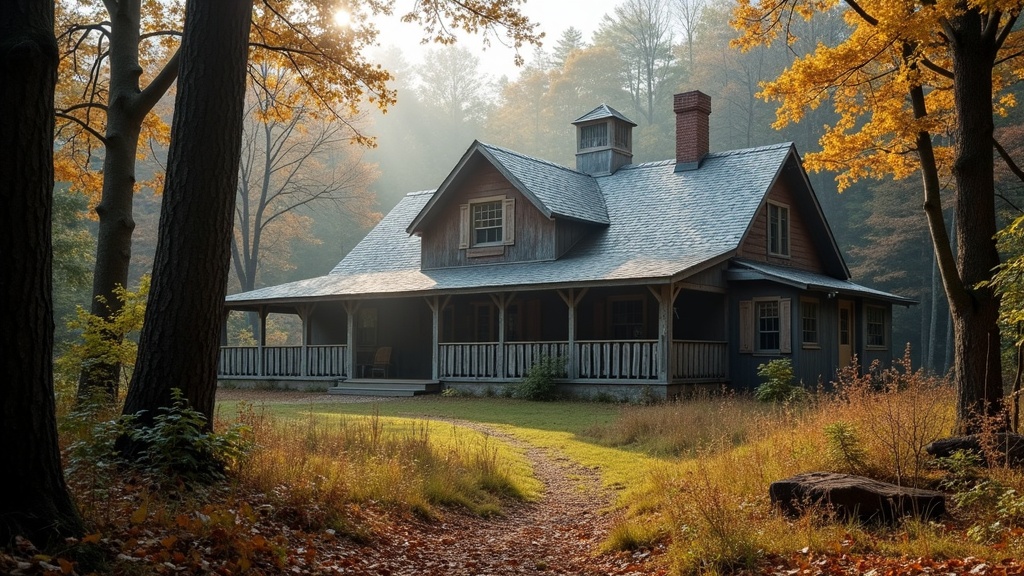
The History of Sivananda Yoga Ranch
The Sivananda Yoga Ranch, nestled in the Catskill Mountains of upstate New York, stands as one of North America's pioneering ashram-style yoga retreat centers. Its story interweaves the ancient traditions of Indian yoga with the countercultural spiritual seeking of 1970s America, creating an enduring institution that has introduced tens of thousands of Westerners to classical yoga practice.
Origins and the Sivananda Lineage
The Yoga Ranch emerges from a lineage traceable to Swami Sivananda Saraswati (1887-1963), a physician-turned-renunciate who established an ashram in Rishikesh, India. Swami Sivananda taught an integrated approach to yoga, synthesizing the paths of karma yoga (selfless service), bhakti yoga (devotion), raja yoga (meditation), and jnana yoga (knowledge). His teaching emphasized that spiritual practice should serve all of humanity, not merely personal enlightenment.
Among Swami Sivananda's most dynamic disciples was Swami Vishnudevananda, who arrived in North America in 1957 with ten dollars and instructions from his guru to spread the teachings of yoga. In 1959, he founded the Sivananda Yoga Vedanta Center in Montreal, establishing the organizational foundation that would eventually birth multiple ashrams and centers worldwide.
Founding the Yoga Ranch
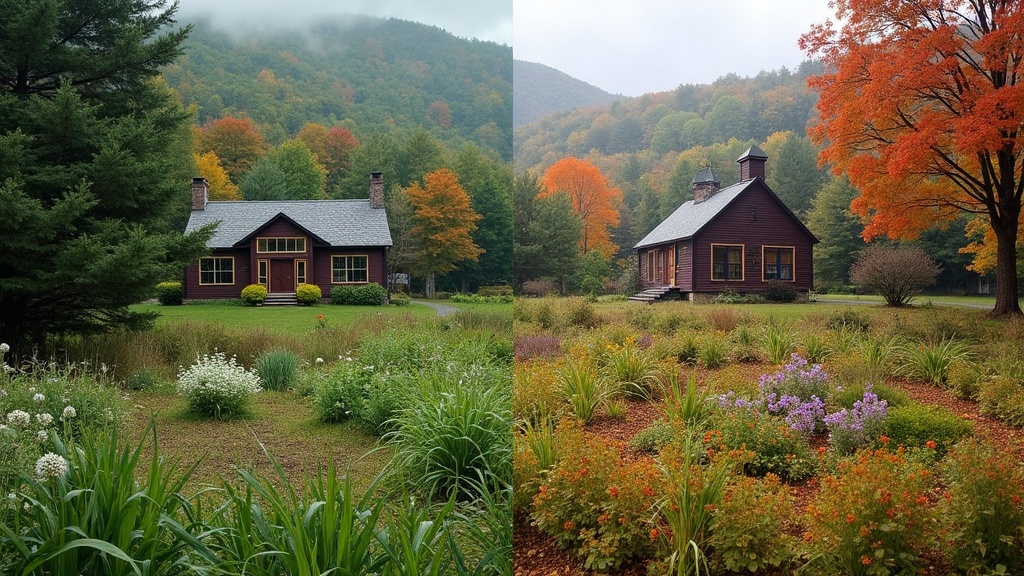
The Sivananda Yoga Ranch was established as a dedicated retreat space where students could immerse themselves in yogic lifestyle beyond the urban yoga center environment. The property in the Catskills provided an ideal setting—rural, peaceful, and accessible to the major metropolitan areas of New York and Boston. The name "Yoga Ranch" itself reflected an effort to make Eastern spiritual practice feel approachable to Western seekers, evoking familiar American imagery rather than exclusively Indian terminology.
Under Swami Vishnudevananda's guidance, the Ranch developed as a training ground for serious practitioners. It became one of several ashrams in the growing Sivananda organization, alongside locations in Val Morin (Quebec), the Bahamas, and later India and Europe.
The Sivananda System and Teacher Training
The Yoga Ranch became particularly significant as a venue for Sivananda Yoga Teacher Training Courses, an innovation that would prove influential across the global yoga community. Swami Vishnudevananda synthesized classical yoga into an accessible system built around five principles: proper exercise (asanas), proper breathing (pranayama), proper relaxation (savasana), proper diet (vegetarian nutrition), and positive thinking and meditation (vedanta and dhyana).
The intensive teacher training program, typically lasting four weeks, combined rigorous daily practice with the study of yoga philosophy, anatomy, and teaching methodology. This standardized approach to yoga teacher certification helped professionalize yoga instruction in the West at a time when teaching credentials were inconsistent or non-existent.
Evolution and Expansion
Throughout the 1980s and 1990s, the Yoga Ranch solidified its role within the broader Sivananda organization. The center offered not only teacher trainings but also weekend retreats, introductory courses, and extended stays for those seeking a temporary ashram experience. Daily life at the Ranch followed ashram protocols: vegetarian meals, morning and evening satsangs (spiritual gatherings with meditation, chanting, and teaching), karma yoga work assignments, and two daily asana classes.
The facility expanded its accommodations and facilities over decades, evolving from rustic simplicity toward greater comfort while maintaining its essential character as a spiritual retreat. The Ranch cultivated organic gardens, maintained traditional Hindu temples on the grounds, and preserved an atmosphere distinct from the increasingly commercialized yoga industry emerging in urban centers.
Contemporary Era
The Sivananda Yoga Ranch continues operating today as part of the International Sivananda Yoga Vedanta Centres organization. It serves multiple constituencies: serious yoga students seeking teacher certification, stressed urbanites desiring weekend respite, and spiritual seekers exploring Hindu-yogic philosophy and practice.
The Ranch has adapted to contemporary contexts while maintaining traditional structures. It offers specialized programs addressing modern concerns—stress reduction, yoga for specific health conditions, and meditation intensives—alongside classical yoga education. The facility balances authenticity to its lineage with accessibility to contemporary practitioners who may arrive with varying levels of commitment to traditional ashram life.
Legacy and Continuing Influence
The Sivananda Yoga Ranch represents an important chapter in yoga's transmission to the West. It demonstrated that intensive, residential yoga education could flourish in North America, helping establish models that countless other retreat centers and teacher training programs would follow. For many Western yoga teachers and practitioners, the Ranch provided their first encounter with yoga as a comprehensive spiritual discipline rather than merely physical exercise.
As yoga continues evolving in Western contexts, the Sivananda Yoga Ranch maintains its commitment to classical teachings, offering a resource for those seeking yoga's traditional depth alongside its modern applications.