The History of Radiantly Alive
The History of Radiantly Alive
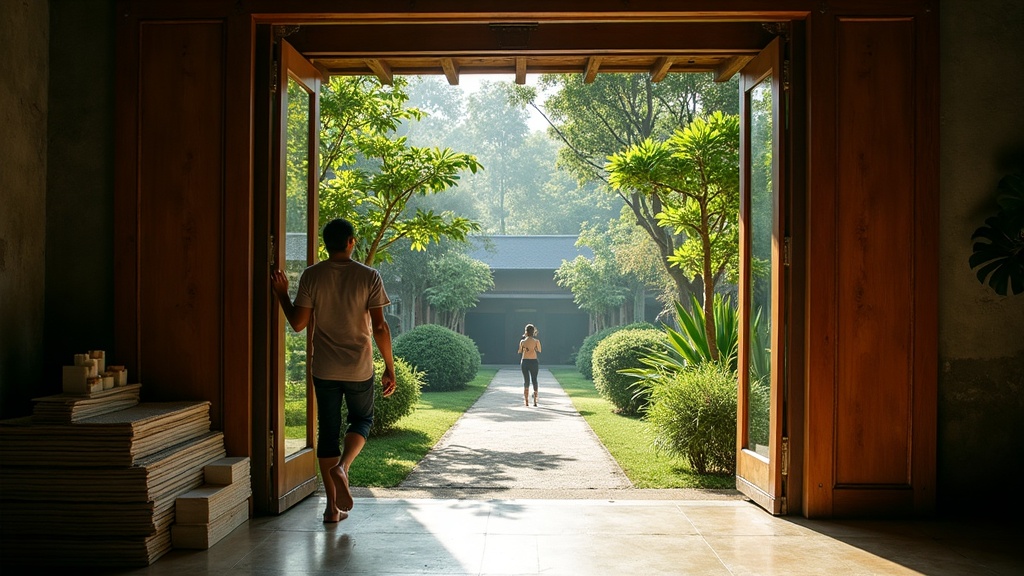
In October 2012, when Daniel Aaron opened Radiantly Alive along a quiet road in Ubud, Bali, the island's yoga scene was already flourishing—but Aaron envisioned something different. Not merely another studio, but a jungle-edge sanctuary where the boundaries between practice space and natural world would dissolve, where the call of tropical birds and the rush of the nearby river would become part of the practice itself. What he created on Jalan Jembawan No. 3, just across from the beloved Bali Buda restaurant, would grow into one of Southeast Asia's most respected yoga institutions.
A Vision Takes Root
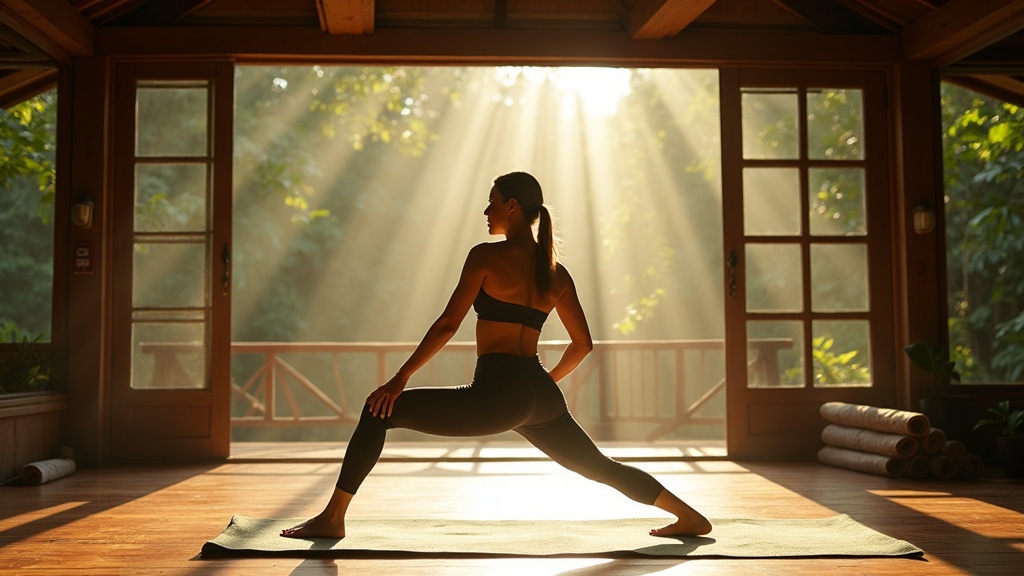
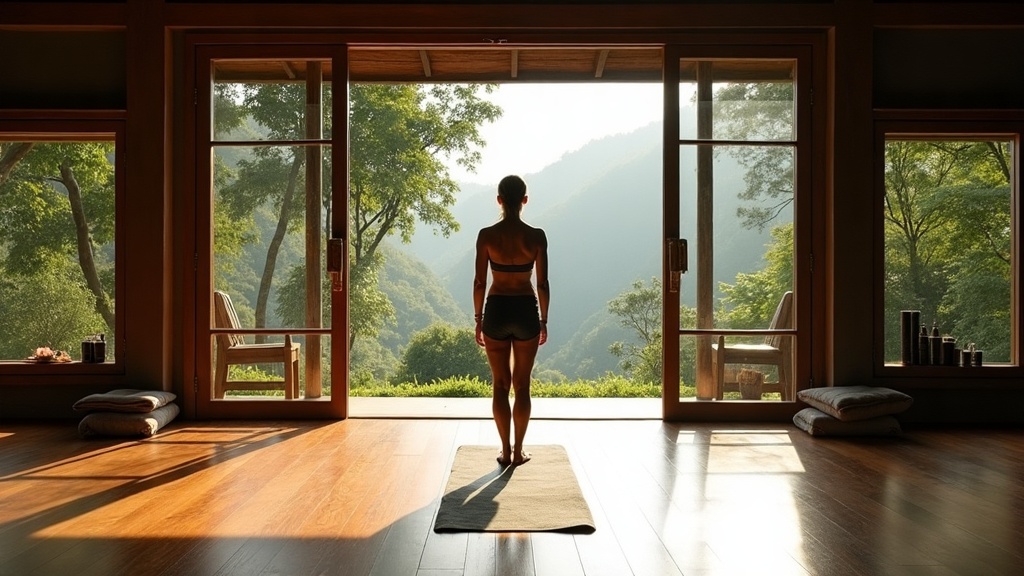
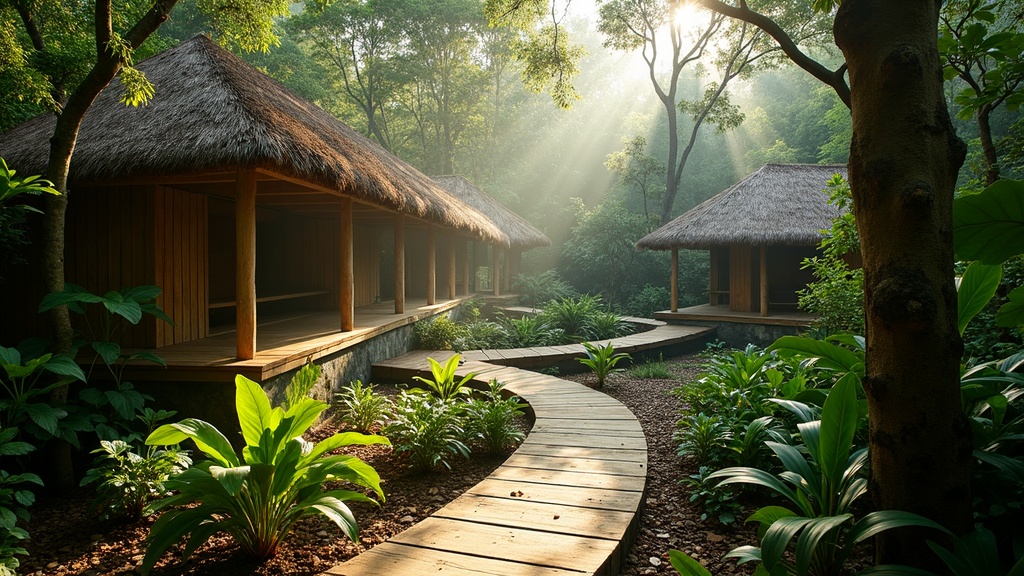
The original concept was audacious in its simplicity: build open-air shalas that would immerse practitioners completely in Ubud's lush environment. Behind a modest entrance, the property unfolds into a sprawling complex featuring three primary jungle-view shalas, plus additional smaller practice spaces. Each structure was designed with intention—open to the elements, framed by tropical greenery, oriented to capture the spirit of place that has made Ubud a pilgrimage site for seekers worldwide.
From its earliest days, Radiantly Alive distinguished itself through breadth of offerings. Rather than adhering to a single lineage or method, the studio embraced an inclusive philosophy, hosting teachers across multiple traditions: Vinyasa and Hatha as foundational practices, Ashtanga for those seeking structure and rigor, Yin for deep release, Kundalini for energetic awakening. Iyengar-inspired precision, Restorative practices for healing, Kriya and Pranayama for breath mastery, Yoga Nidra for conscious rest—all found a home here. Sound healing, breathwork, and Qigong rounded out a remarkably comprehensive menu of practices.
New Stewardship, Deepening Roots
By late 2016, Rafael Corrochano and Jasmine Dañino had become regular visitors to Radiantly Alive, drawn repeatedly to what they describe as "the magic of the jungle shala and healing vibes of Ubud." When the opportunity arose to take ownership, they recognized it as more than a business transaction—it was a calling to steward something precious. Their transition into leadership marked not a rupture but a deepening, as they committed themselves to honoring the studio's founding vision while allowing it to evolve.
Under their guidance, Radiantly Alive has strengthened its reputation as a premier yoga teacher training center. The studio's immersive environment—surrounded by nature, removed from urban distraction, yet comfortably accessible—creates ideal conditions for the intensive study required of teacher training programs. Students from across the globe come to spend weeks or months here, learning not just in climate-controlled rooms but in spaces where weather, wildlife, and natural light become co-teachers.
The RA Vinyasa Signature
Central to Radiantly Alive's identity is RA Vinyasa, the studio's signature approach to flow yoga. This methodology reflects a sophisticated understanding of what contemporary practitioners seek: anatomical rigor without dogmatism, creative sequencing that never sacrifices safety, challenge balanced with accessibility. The practice builds strength while cultivating embodied awareness—a both/and philosophy that refuses to choose between physical intensity and mindful presence.
This intelligent progression has become a calling card, attracting teachers and students who appreciate structure without rigidity, tradition without fundamentalism. The faculty who teach RA Vinyasa and the studio's other offerings bring diverse backgrounds and specializations, creating a learning environment rich with perspectives.
A Living Sanctuary
Today, Radiantly Alive occupies a unique position in Bali's crowded wellness landscape. It is neither a boutique studio with limited offerings nor an impersonal yoga factory. Instead, it has grown into something more like an ecosystem—a place where different practices, teachers, and traditions coexist and cross-pollinate, where newcomers and advanced practitioners find appropriate challenge, where the distinction between local and international community blurs.
The jungle setting remains central to the experience. Practitioners consistently speak of the sensory richness: the humidity on skin during challenging flows, the percussion of rain on shala roofs, the morning chorus of birds during meditation, the green-filtered light of Balinese afternoons. This immersion in place creates a particular quality of presence, a reminder that yoga practice exists not in abstract space but in living relationship with the world.
For over a decade now, Radiantly Alive has been shaping how thousands of practitioners understand yoga—not as a static tradition to be preserved unchanged, but as a living practice that honors lineage while remaining responsive to contemporary needs. In a corner of Ubud where jungle and community meet, it continues to offer what Daniel Aaron first envisioned: a sanctuary where the boundaries dissolve, and practice becomes inseparable from place.