Programs at
Plum Village
Retreat Center · Thénac, Dordogne
The mindfulness practice center founded by Zen Master Thich Nhat Hanh.
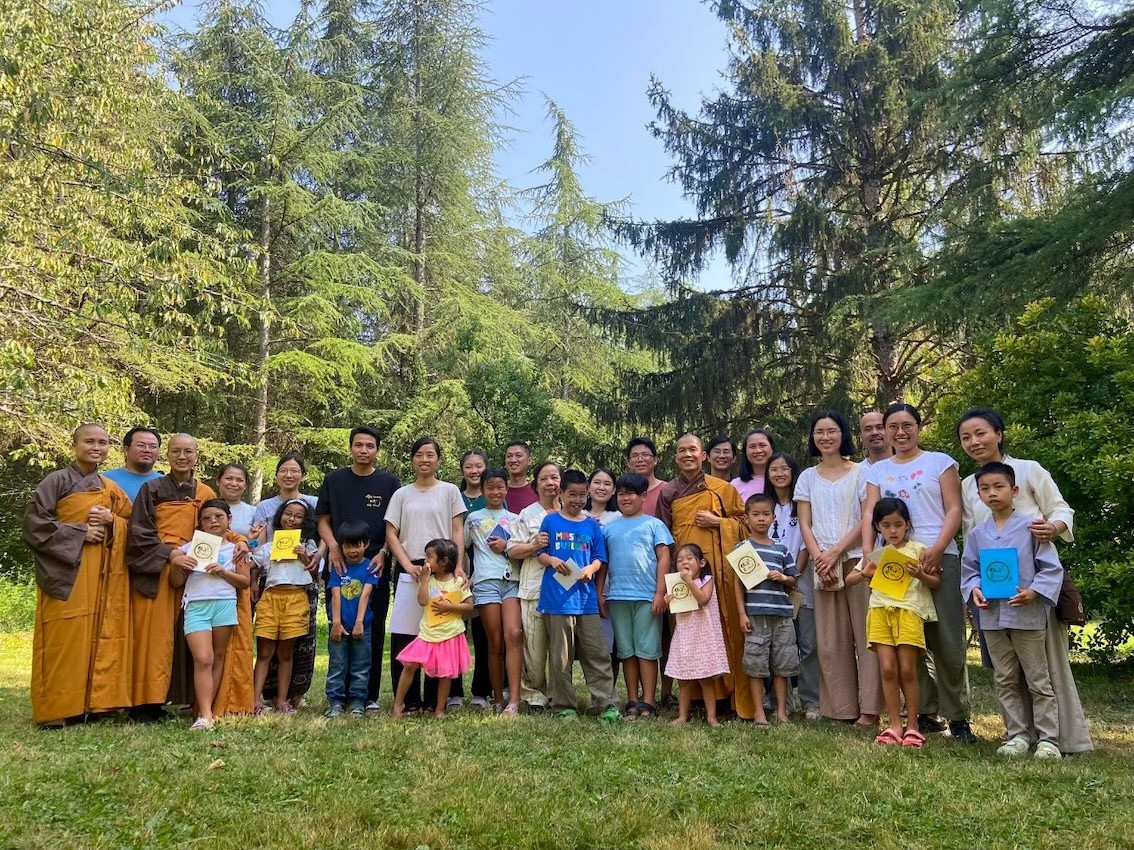
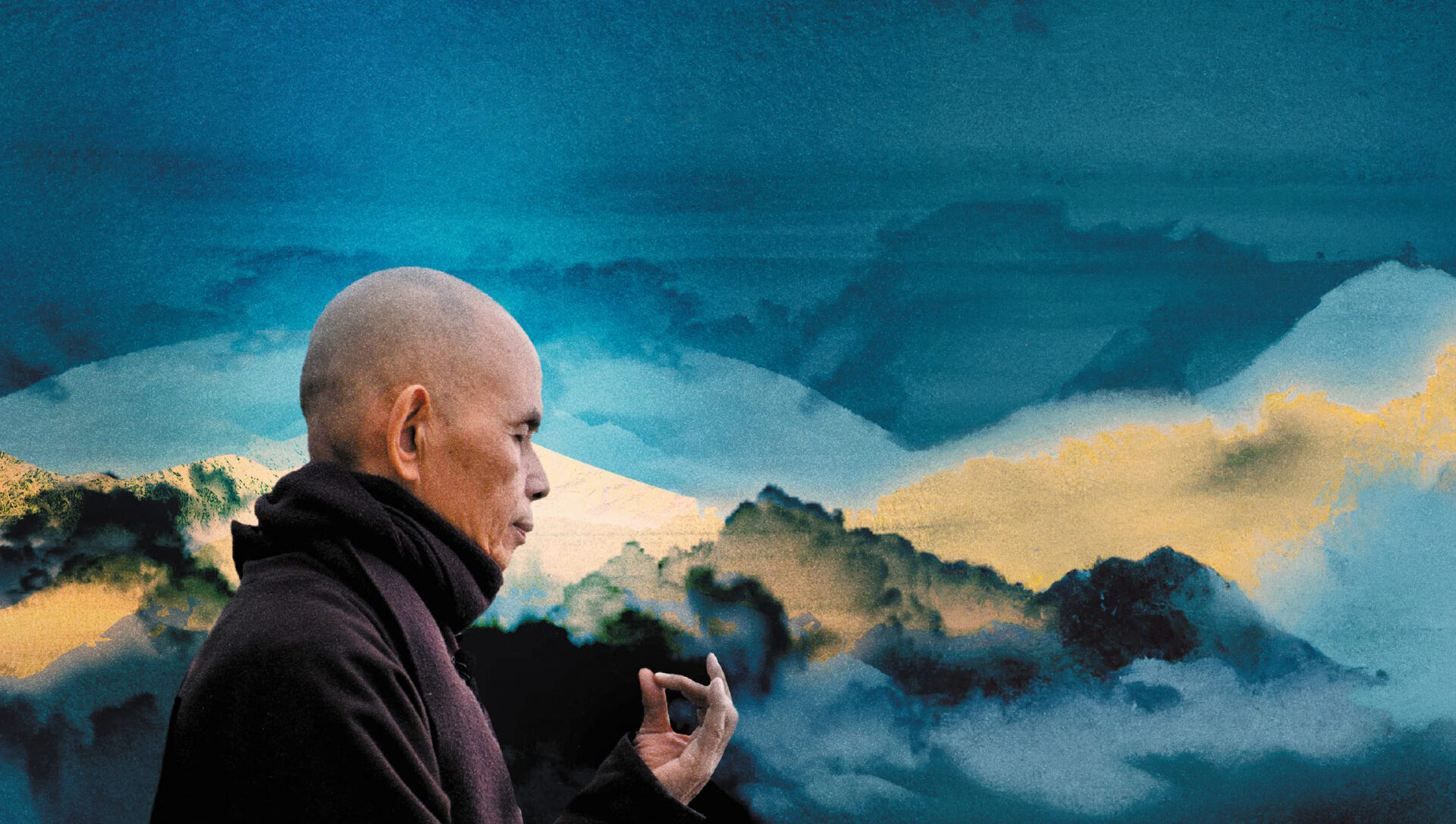
Plum Village, tucked into the rolling hills of the Dordogne in southwestern France, is Europe's largest Buddhist monastery and the flagship center of a global mindfulness movement that has quietly reshaped how millions approach meditation and engaged spirituality. Founded in 1982 by Vietnamese Zen master Thích Nhất Hạnh (known affectionately as Thầy, meaning "teacher") and Buddhist nun Chân Không, it grew from a rustic farmstead into a thriving monastic community of over 200 monks and nuns, welcoming more than 10,000 visitors annually from across the world.
The story begins decades earlier, in the crucible of the Vietnam War. Thích Nhất Hạnh, born Nguyễn Xuân Bảo in 1926, entered monastic life at sixteen at Từ Hiếu Temple in Huế. During the war, he co-founded the School of Youth for Social Service, a neutral corps of 10,000 Buddhist peace workers who rebuilt bombed villages and established schools and clinics. His vocal opposition to the violence earned him exile in 1966, and a Nobel Peace Prize nomination from Martin Luther King, Jr. in 1967. Forced to settle in France, he established the Sweet Potato community near Paris in 1975, a small gathering place for Vietnamese refugees and Western seekers. When that site overflowed in 1981, Thầy and Sister Chân Không traveled south. On September 28, 1982, they purchased land near Loubes-Bernac, what would become Lower Hamlet. Weeks later, a hailstorm destroyed a neighboring vineyard, and they acquired that property too: Upper Hamlet. Initially called Persimmon Village, the name shifted when plum trees thrived on the rocky Dordogne soil better than persimmons, and Plum Village was born.
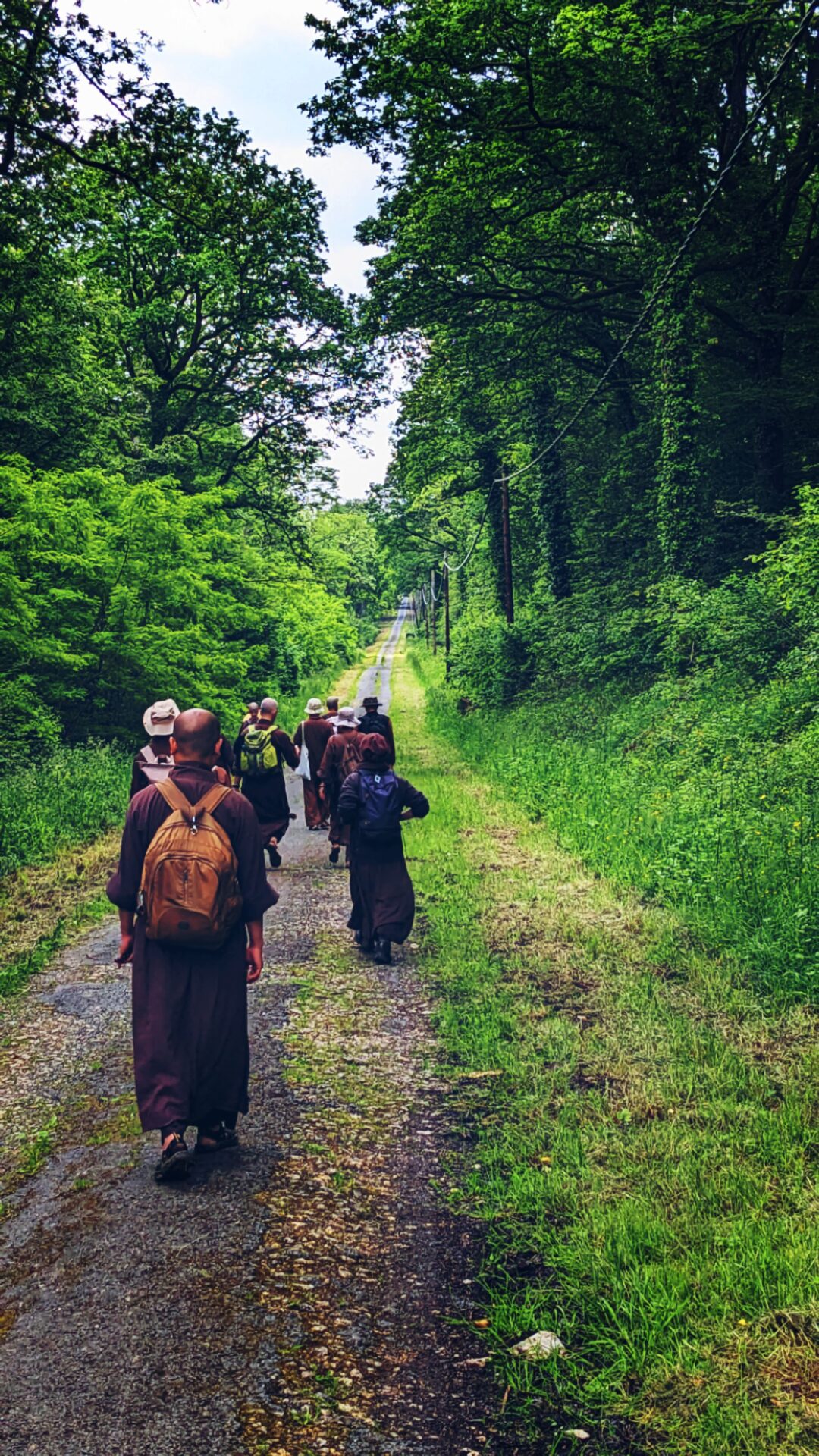
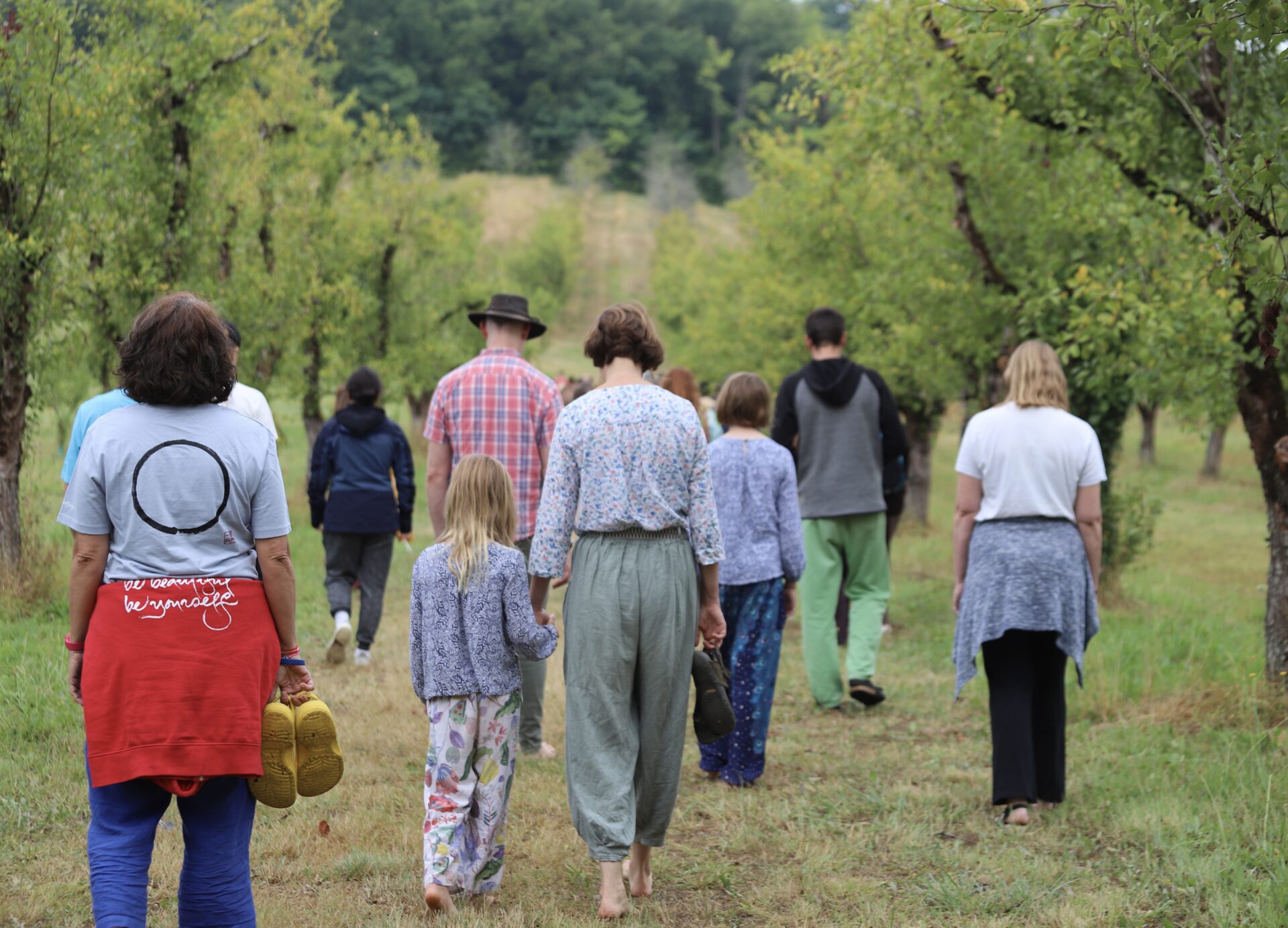
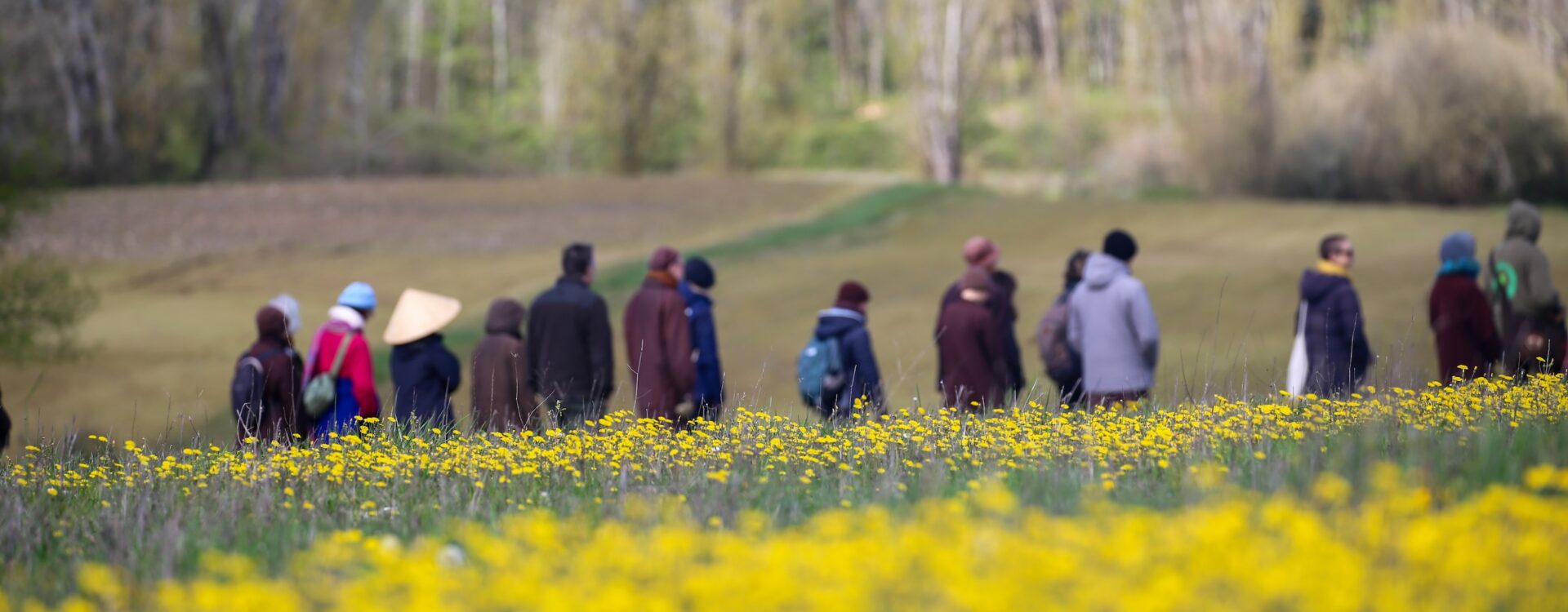
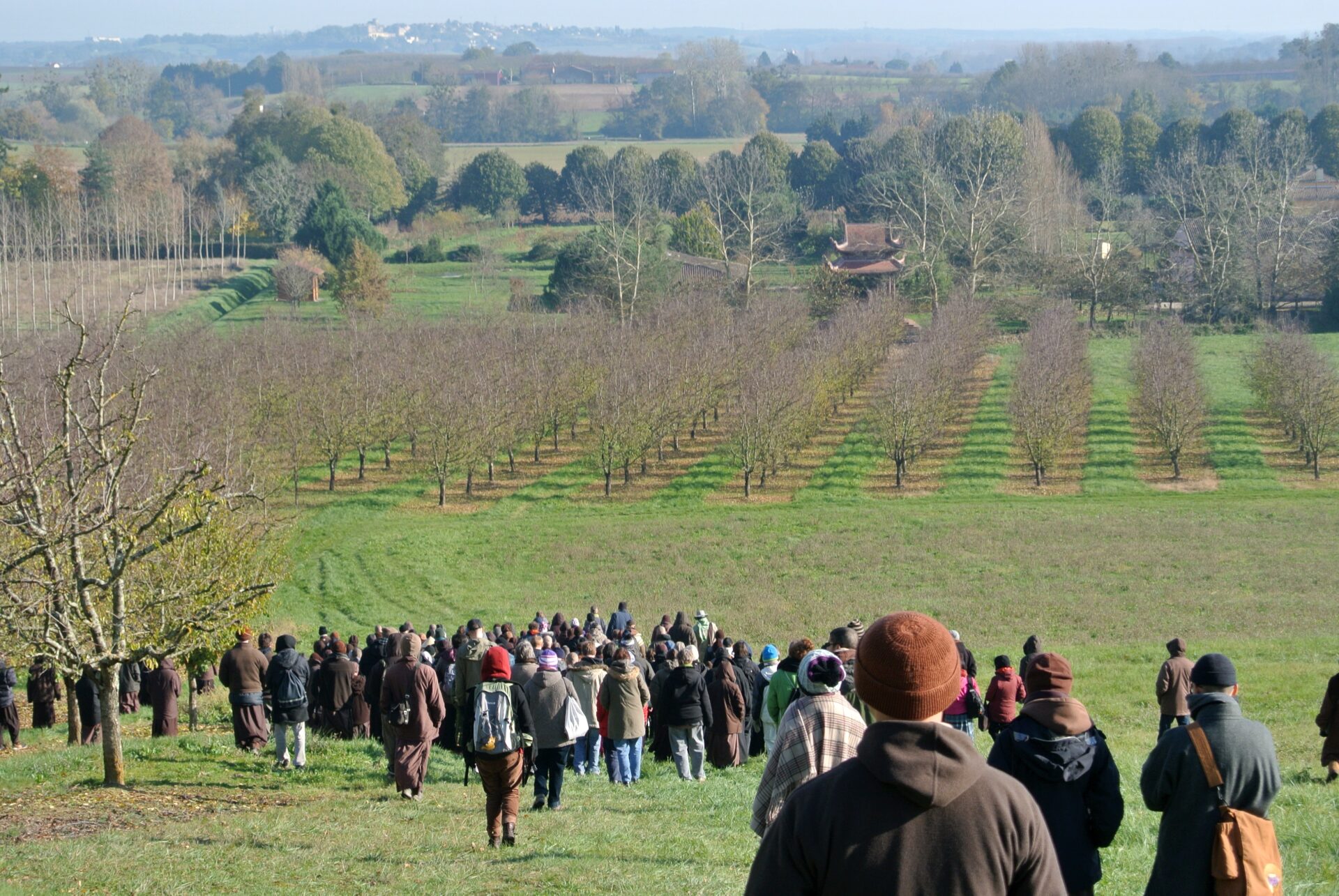
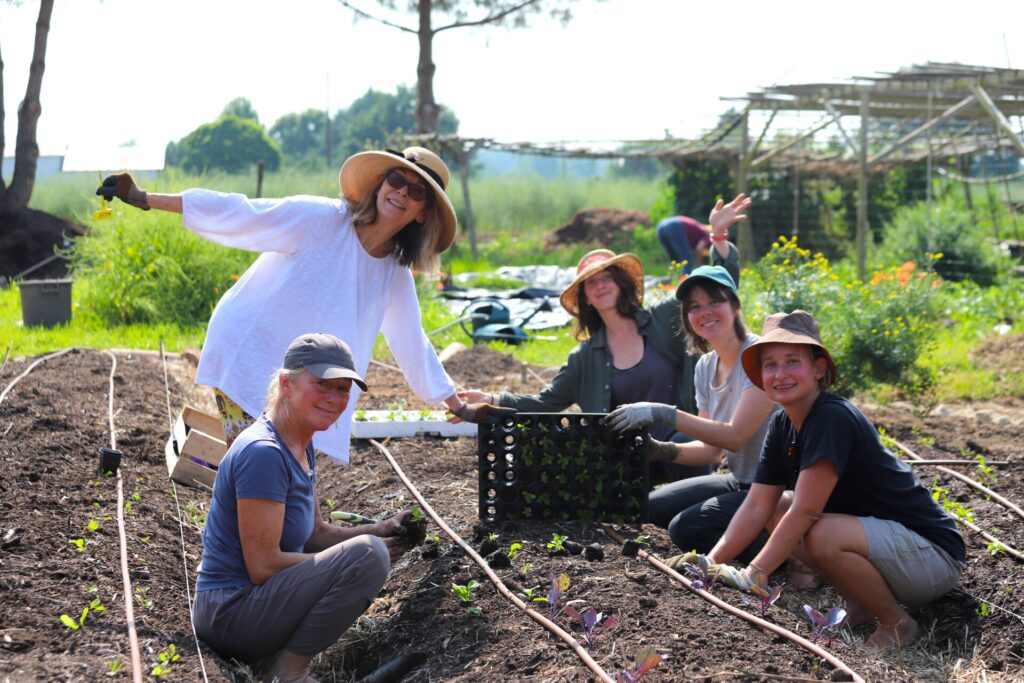
Today the center comprises four hamlets spread across the French countryside: Upper Hamlet and Son Ha Temple for monks and laymen; Lower Hamlet and New Hamlet for nuns and laywomen. Each hamlet is a self-contained village with meditation halls, dormitories, dining areas, and gardens. The grounds are laced with walking meditation paths that have become legendary, Thầy's favorite trails winding through forests and fields where Buddha statues appear among the trees. The Upper Hamlet Happy Farm grows organic vegetables for the community's entirely vegan meals, embodying Plum Village's integration of ecology and mindfulness.
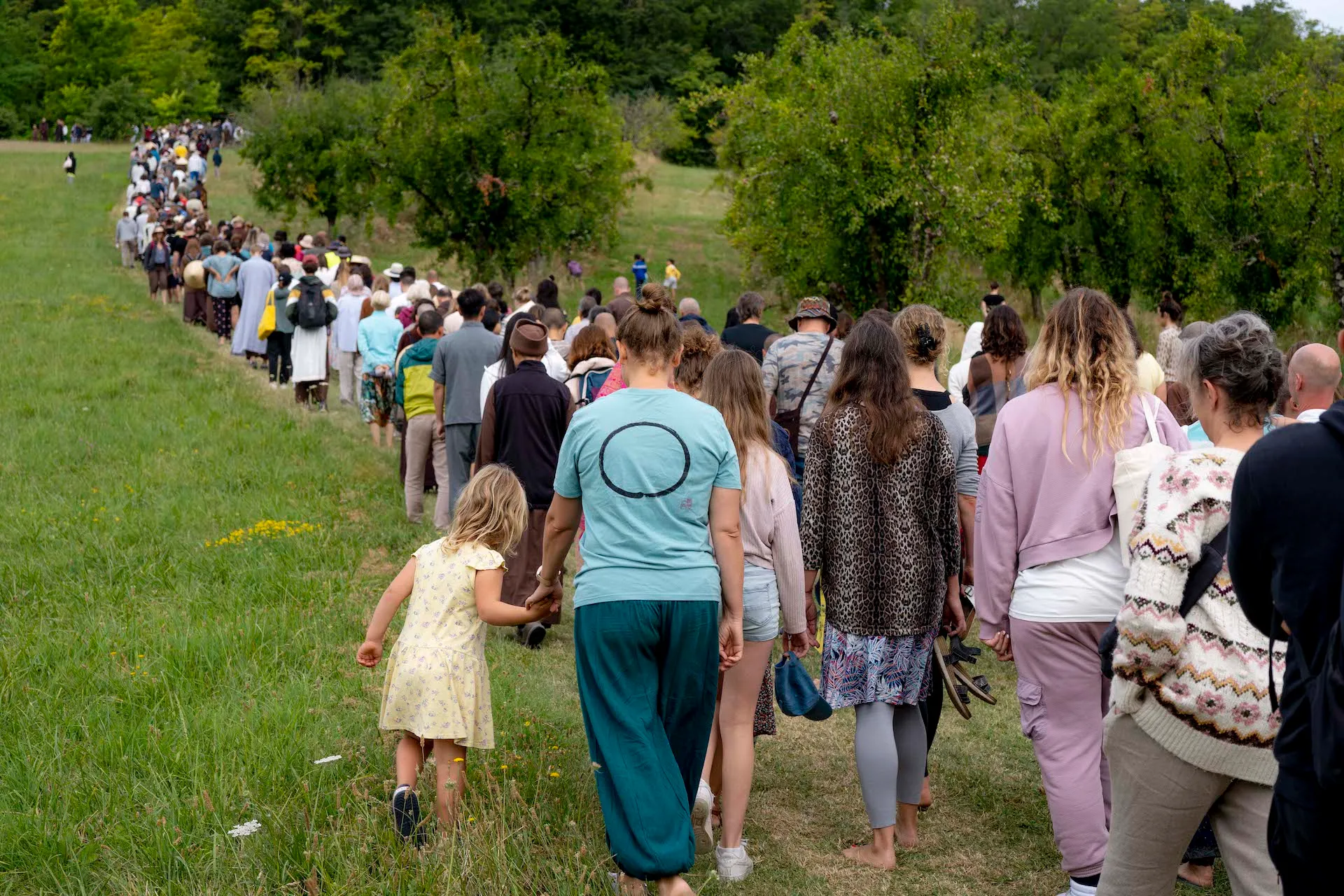
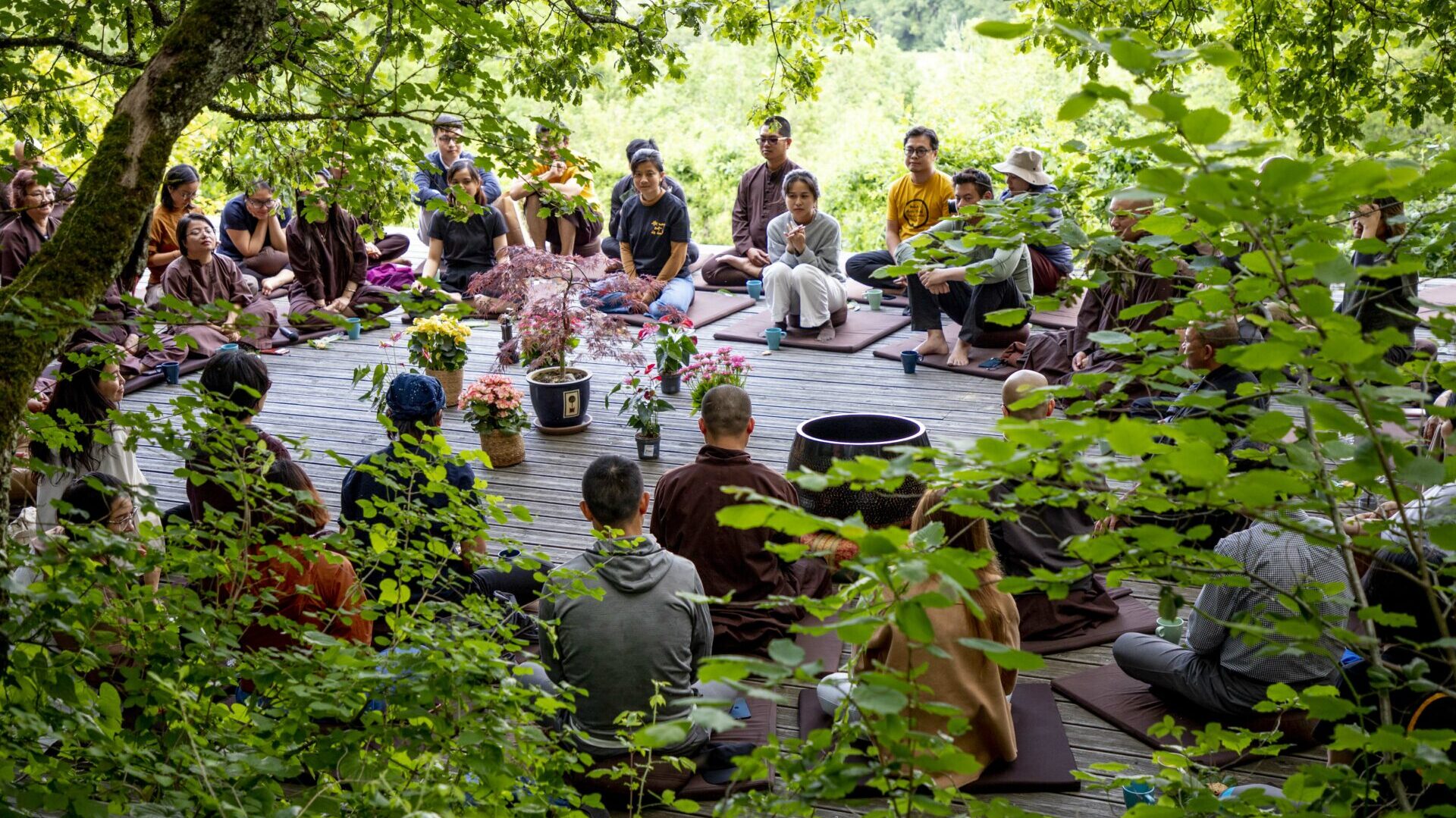
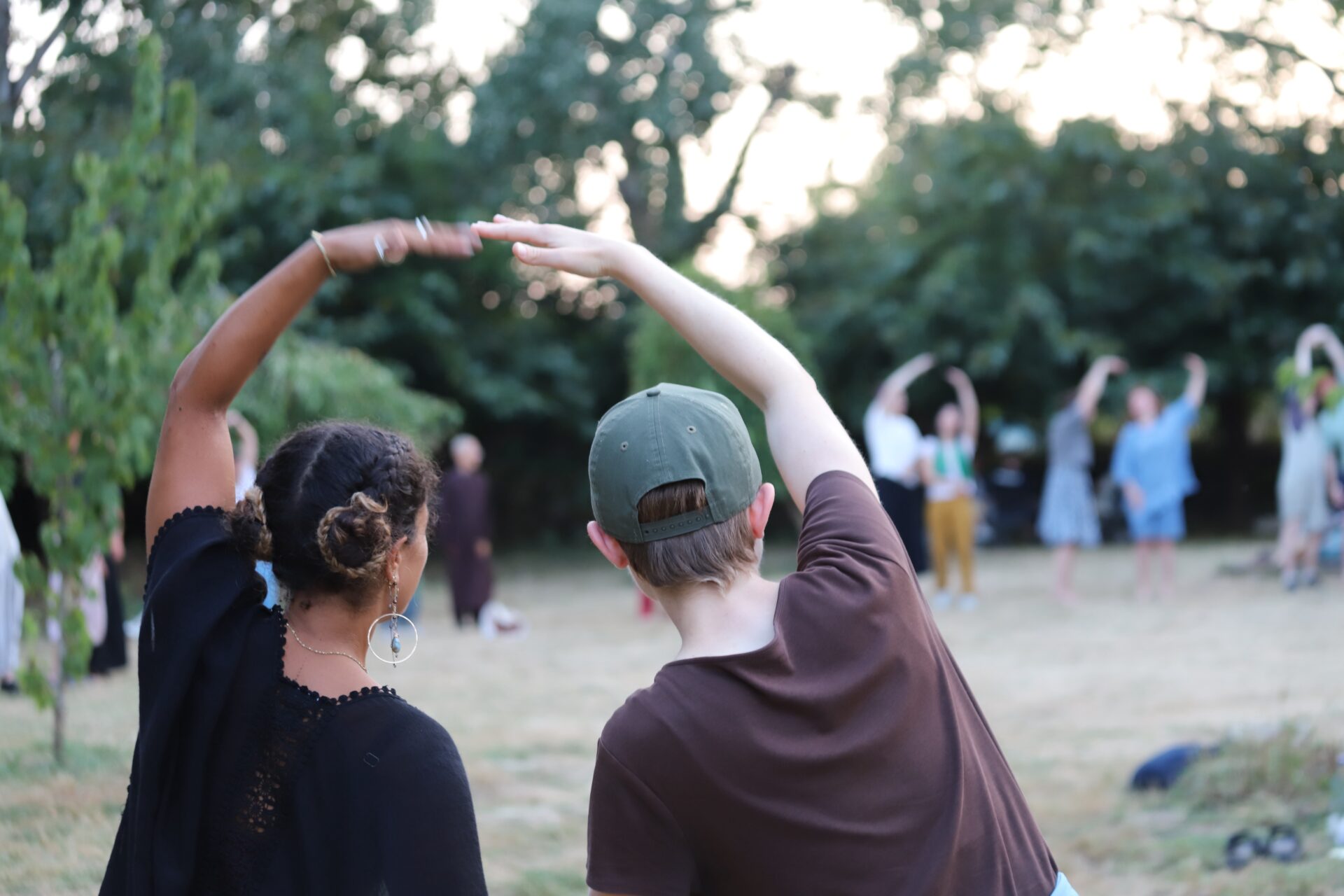
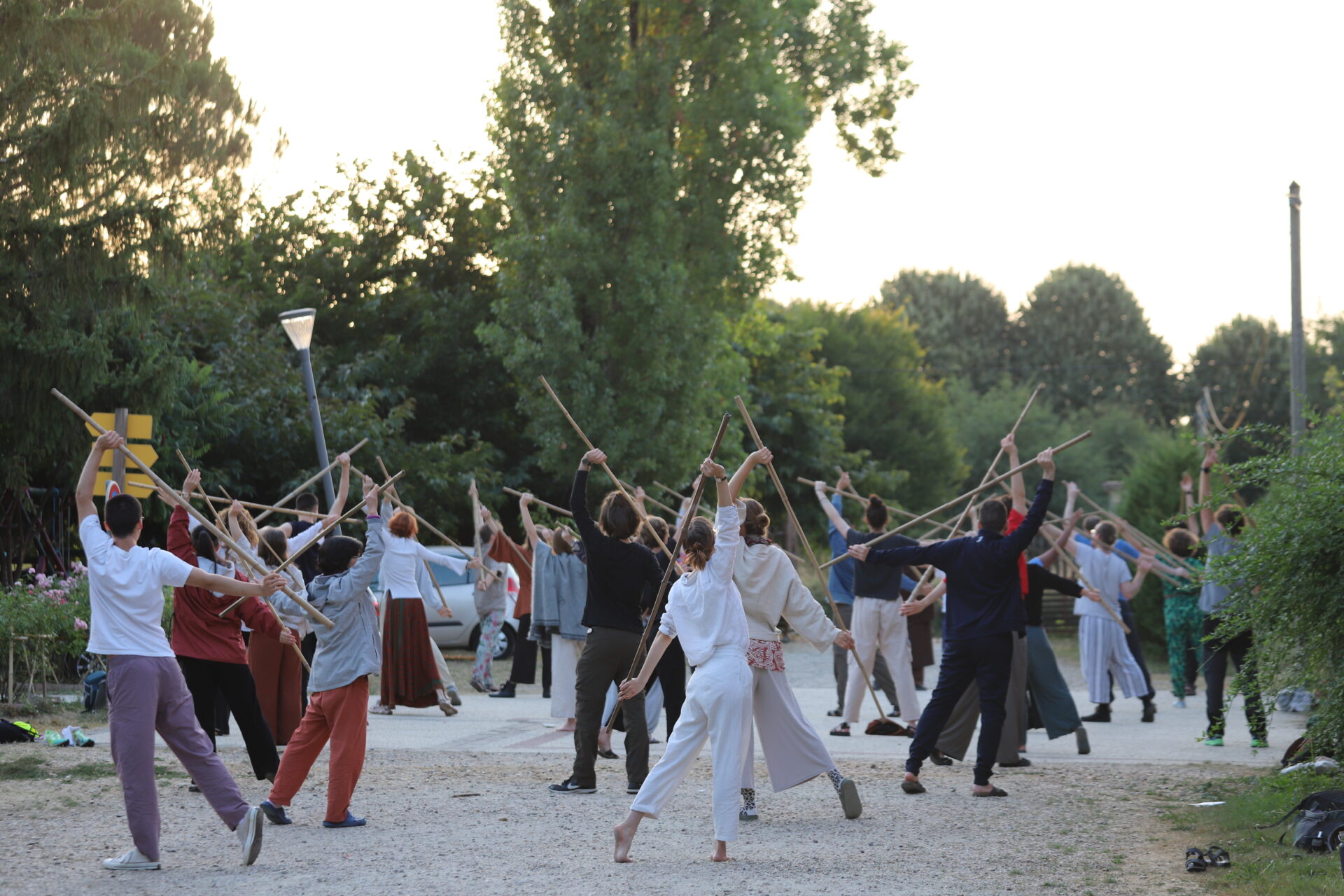
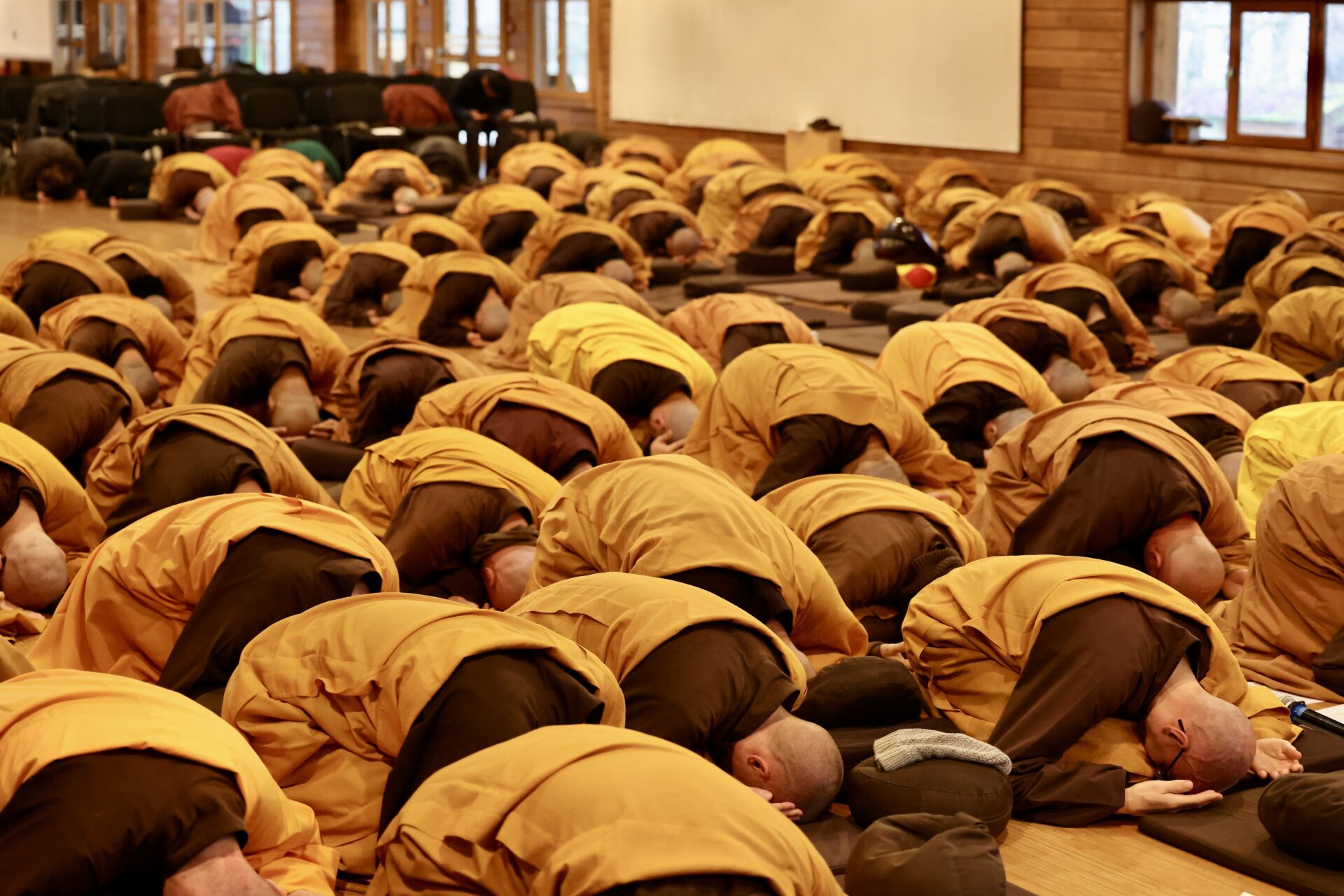
What sets Plum Village apart is its foundational teaching of "Engaged Buddhism," a term Thích Nhất Hạnh coined to describe Buddhism that actively addresses social suffering without abandoning spiritual practice. The tradition blends Vietnamese Thiền (Zen), Mahayana philosophy, and elements of Theravada, distilled into practices accessible to modern, often secular, practitioners. Mindfulness here is not a stress-reduction technique but a way of life, applied to walking, eating, washing dishes, even answering emails. The rhythm is unhurried: days begin with 6 a.m. sitting meditation, followed by silent breakfast, Dharma talks or walking meditation, mindful work periods (often accompanied by singing), and communal lunches eaten in total silence. Noble Silence extends from evening practice until after breakfast, creating pockets of stillness rare in contemporary life.
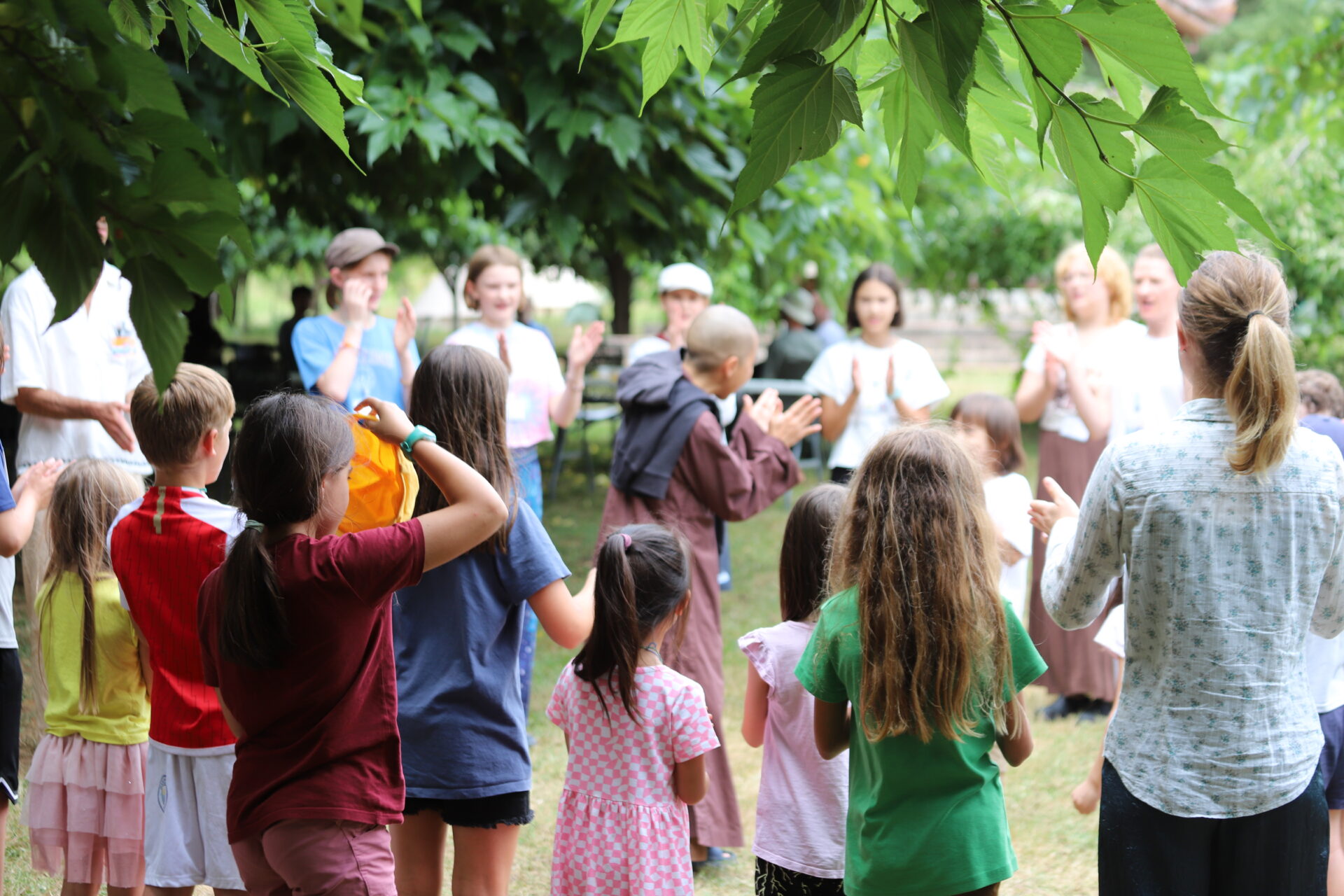
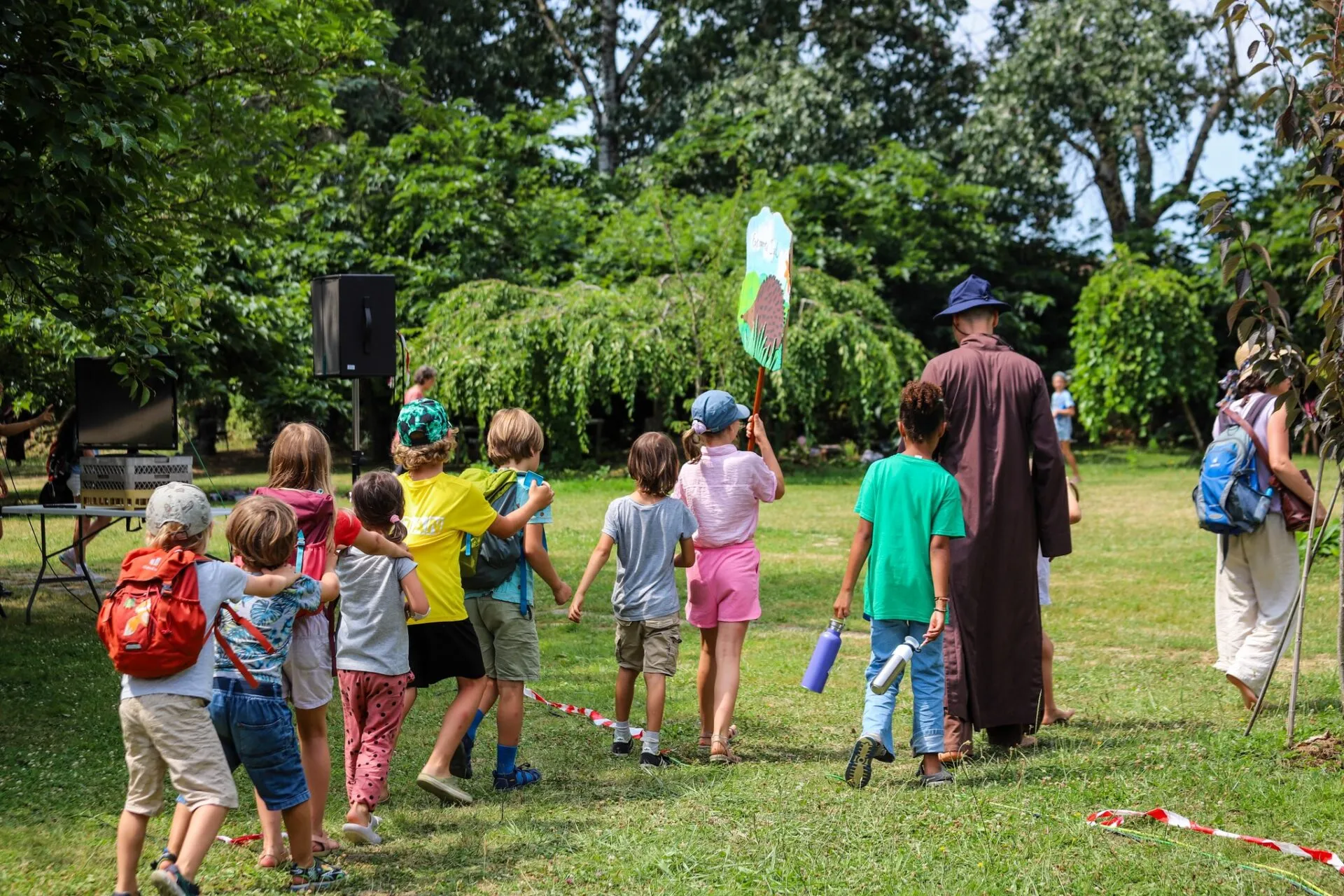
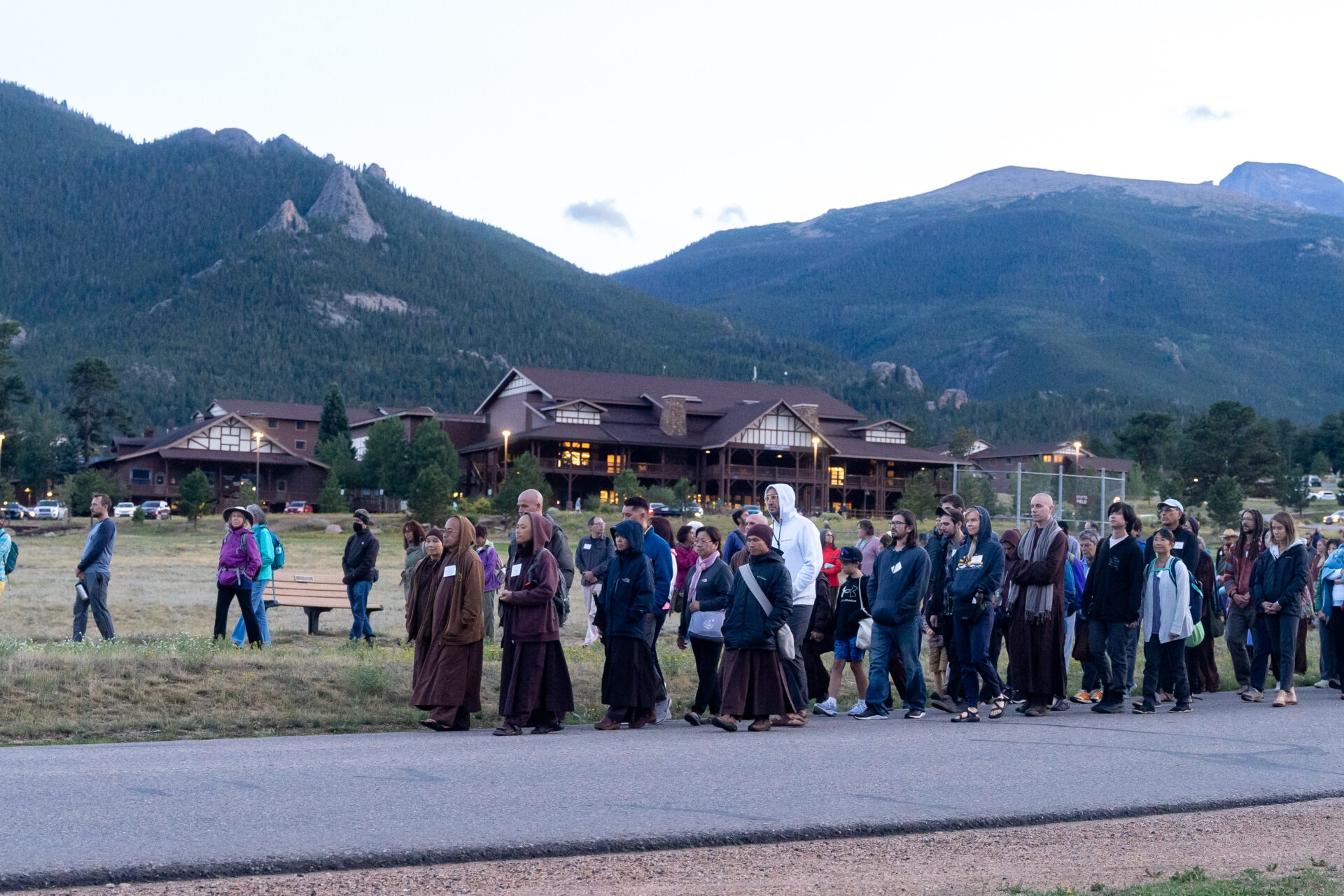
Retreat offerings range from week-long seasonal retreats in spring and autumn to the famous four-week Summer Opening Retreat, which draws over 700 participants and features dedicated programs for children and teenagers. Specialized retreats address ecology, educators, business leaders, and families. The 90-day Rains Retreat, reserved for those exploring monastic life, follows a tradition dating to the Buddha's time. Participation in communal work, preparing meals, washing dishes, tending gardens, is central, not as chore but as meditation in action.
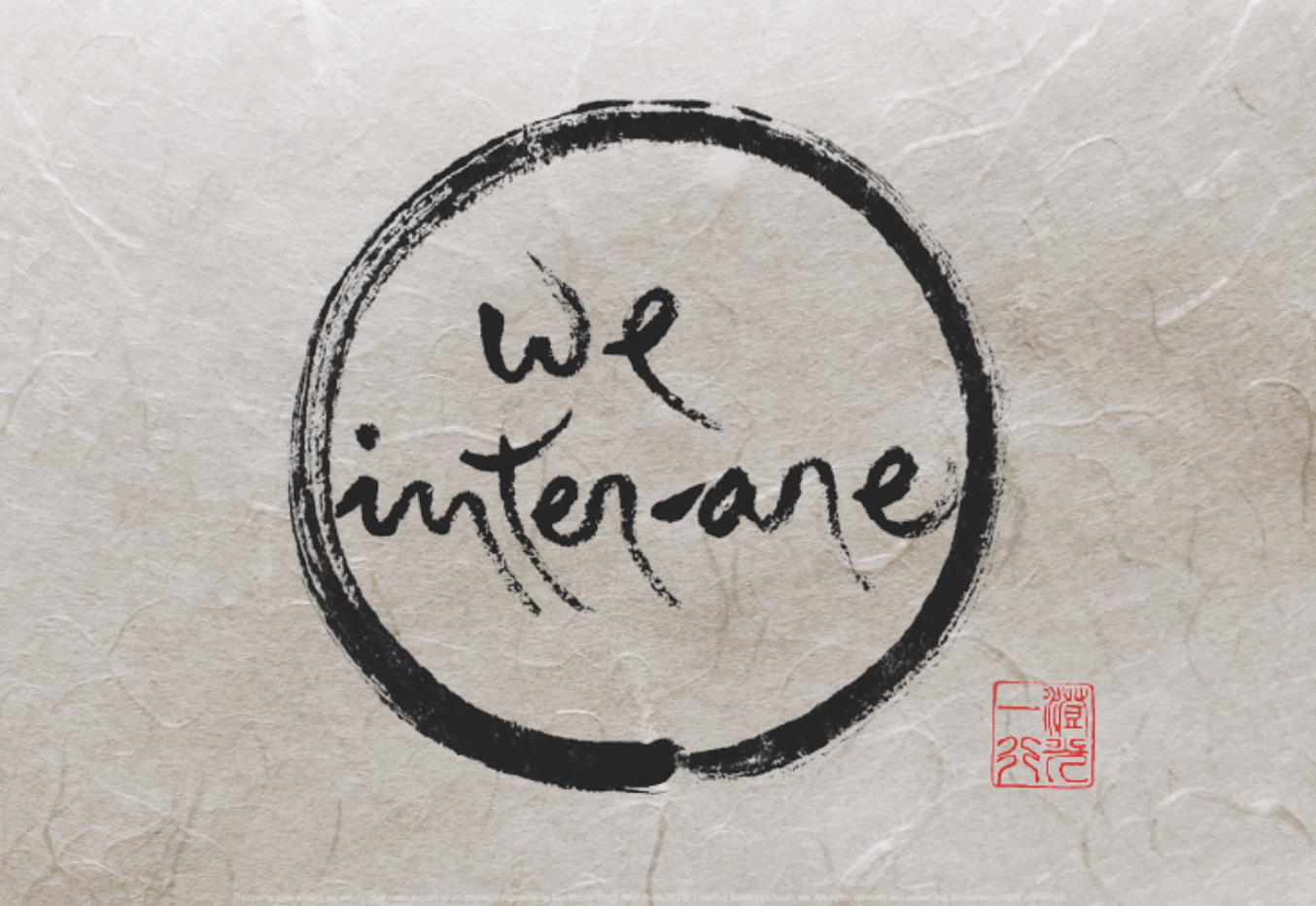
Thích Nhất Hạnh's influence extended far beyond Plum Village's stone walls. He authored over 130 books, including The Miracle of Mindfulness and Peace Is Every Step, selling more than five million copies worldwide. He addressed the U.S. Congress, Google, the World Bank, and UNESCO. His concept of "interbeing", the deep interconnection of all beings, influenced environmentalists, educators, and activists. The Order of Interbeing, which he founded in 1966 with six social workers during the war, now includes thousands of monastics and laypeople committed to the Fourteen Mindfulness Trainings, a modern rendering of the Bodhisattva precepts. Parallel initiatives like Wake Up (for young adults 18-35) and Wake Up Schools brought mindfulness into classrooms globally. After a severe stroke in 2014, Thầy returned to Vietnam in 2018, living out his final years at his root temple in Huế until his death on January 22, 2022, at age 95.
Plum Village did not name a successor. Instead, the community operates through collective leadership, with senior Dharma Teachers and monastic councils guiding retreats and teachings. The tradition has since expanded to eleven monasteries worldwide, including the European Institute of Applied Buddhism in Germany, and centers in California, New York, Mississippi, Thailand, Hong Kong, and Australia, plus over 1,000 lay sanghas meeting in cities globally.
Est. 198228 Upcoming Programs
What's Happening
All Upcoming Programs
28 programs · 29 total sessions scheduled at Plum Village
When
Length
Showing 28 of 28 programs