The History of Parmarth Niketan
The History of Parmarth Niketan
In 1942, as India moved through the final years of colonial rule and toward independence, Pujya Swami Shukdevanandji Maharaj established a small meditation retreat on the eastern bank of the Ganges in Rishikesh. He called it Parmarth Niketan—"An Abode Dedicated to the Welfare of All"—and planted it in Swargashram, the "heavenly abode" district where the sacred river curves beneath the Himalayas and suspension bridges arch over holy waters. What began as a modest sanctuary for spiritual practice would grow, over eight decades, into the largest ashram in Rishikesh, a beacon of inclusivity where seekers from every background come to practice, serve, and transform.
Roots in Sacred Tradition
Swami Shukdevanandji Maharaj envisioned a space that honored ancient Vedic wisdom while opening its gates to all who sought refuge and guidance. From its earliest days, Parmarth Niketan refused the sectarian boundaries that sometimes marked spiritual institutions. The ashram's founding principle—radical hospitality—welcomed visitors regardless of religion, nationality, or background. This was not simply tolerance but genuine embrace: a recognition that the Ganges, flowing past the ashram's edge, belonged to all creation.
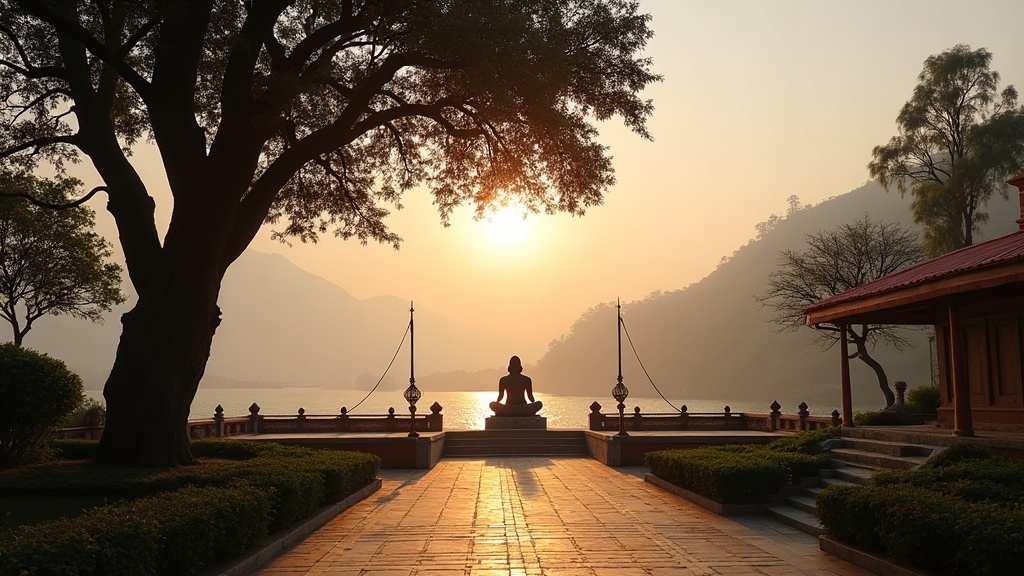
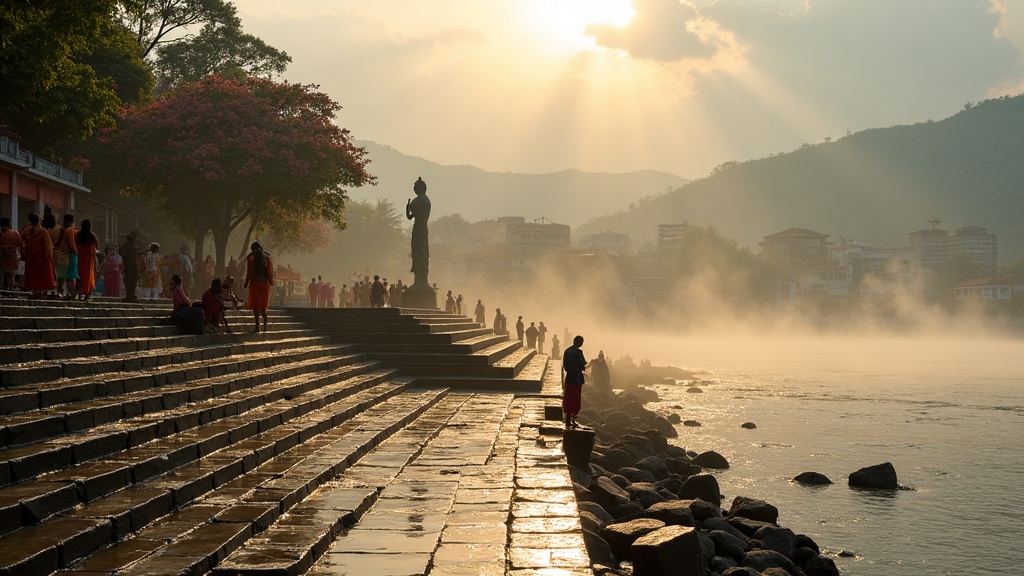
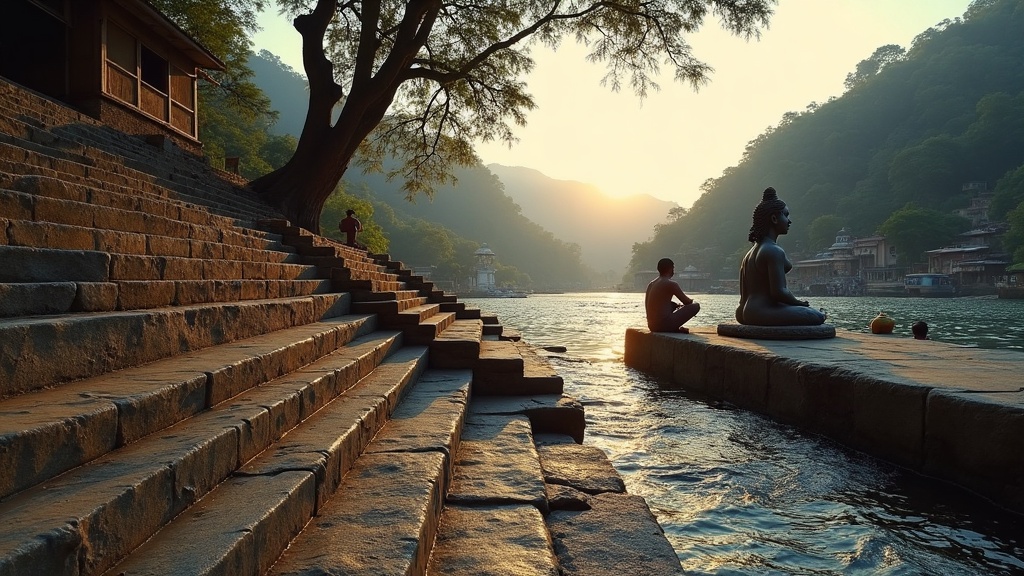
The site itself carried power. Rishikesh had long been recognized as a tirtha, a crossing place where the material and divine meet. Parmarth Niketan took root in soil walked by sages, beside water considered the physical manifestation of grace. The ashram's gardens would eventually fill with statues of deities, the sacred Kalpavriksha tree, and a towering fourteen-foot Shiva overlooking the ghat—visible reminders of the lineage and devotion that animate the place.
A New Chapter: Leadership and Expansion
In 1986, a pivotal transition occurred when Pujya Swami Chidanand Saraswatiji assumed leadership of Parmarth Niketan. A sannyasi with master's degrees in both Sanskrit and philosophy, Swami Chidanandji brought scholarly rigor and global vision to the ashram's mission. Under his guidance, Parmarth evolved from purely contemplative center into something more dynamic: a spiritual home that recognized no separation between inner practice and outer service.
The ashram's physical footprint expanded dramatically during this era, growing to more than 1,000 rooms spread across abundant gardens. But the more significant expansion was philosophical. Swami Chidanandji traveled widely, representing Hindu wisdom at interfaith gatherings including the United Nations, World Bank, and Parliament of Religions. He returned from these encounters with a deepened conviction that spiritual life must address the world's suffering directly.
From Meditation to Movement
This conviction manifested in action. Swami Chidanandji founded Ganga Action Parivar, an initiative dedicated to cleaning and protecting the river that flows past the ashram's edge. Later came the Global Interfaith WASH Alliance, working to ensure clean water access for communities in need, and the Divine Shakti Foundation. The ashram became not just a place to retreat from the world but a launching point for engaging it with compassion and practical wisdom.
These social programs emerged organically from the ashram's teachings. Karma Yoga—selfless service—had always been central to Parmarth's practice. Now that principle scaled to meet contemporary crises, wedding ancient philosophy to modern activism. The message was clear: meditation and service, prayer and environmentalism, belonged to the same spiritual path.
A Living Tradition Today
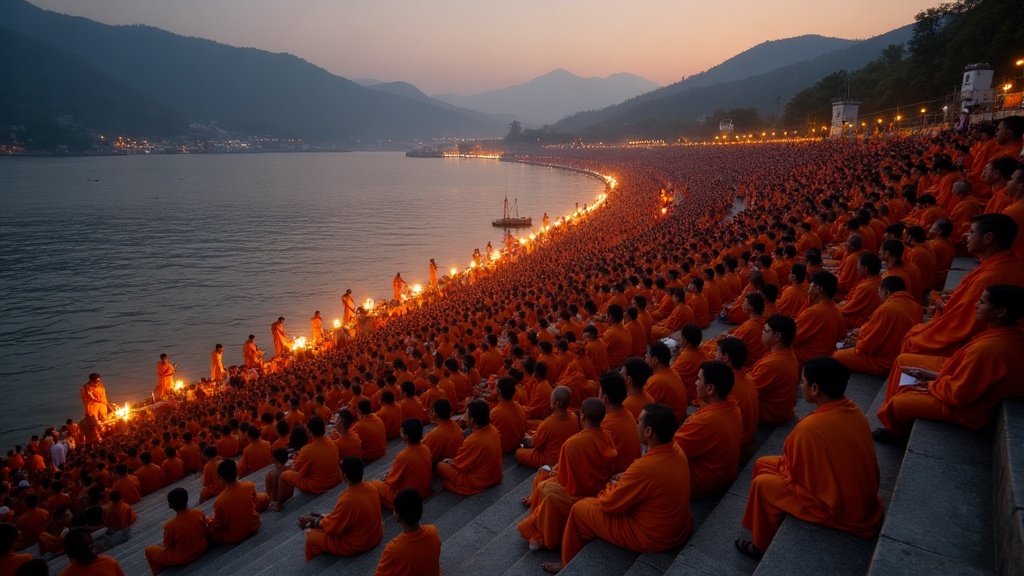
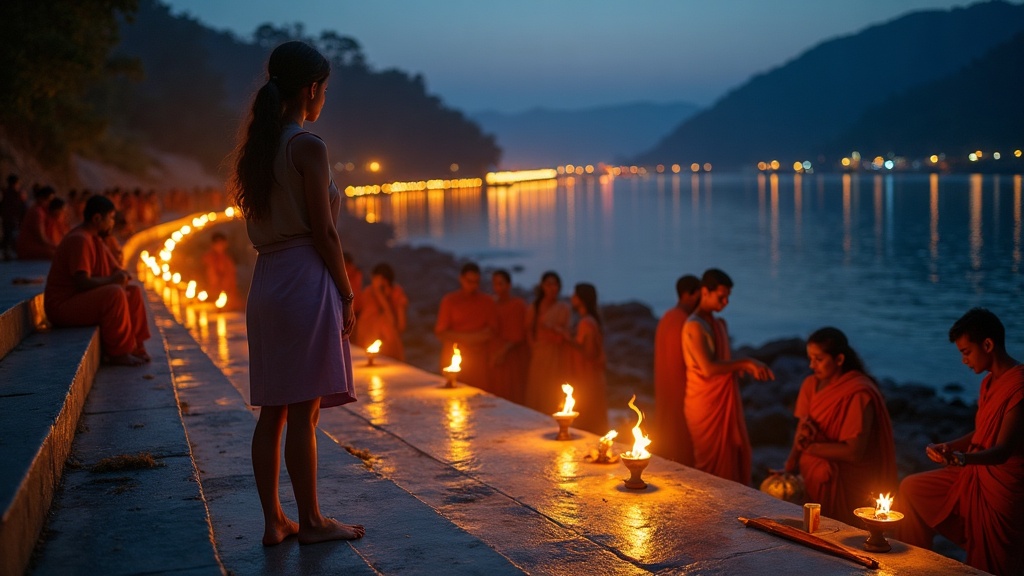
Today's Parmarth Niketan honors multiple wisdom streams simultaneously. Visitors find Hatha and Vinyasa Yoga classes, Advaita Vedanta philosophy sessions, and Bhakti devotional practices. Morning and evening aarti ceremonies at the ghat draw both ashram residents and pilgrims from across Rishikesh, as hundreds of oil lamps float on the Ganges and Vedic chants echo off the water. Kirtan fills the halls; Ayurvedic wisdom informs daily routines; the tradition of Karma Yoga continues through seva opportunities.
The ashram's calendar includes the International Yoga Festival, which has become one of the world's premier yoga gatherings, drawing teachers and practitioners from dozens of countries. Yet Parmarth remains, at its core, a place of practice rather than spectacle—somewhere the ancient rhythms of ashram life persist beneath contemporary programs.
An Abode for All
What makes Parmarth Niketan distinctive after more than eighty years is precisely what made it unusual in 1942: its genuine inclusivity. The founding vision has held. The gates remain open. The river still flows. And seekers still arrive—some for a week, some for months, some returning year after year—to practice beside the Ganges in a tradition that welcomes them exactly as they are, then invites them to become who they might be.