Where You'll Stay at Omega Institute: A Guide to Accommodations
Where You'll Stay at Omega Institute: A Guide to Accommodations
When you book a workshop at Omega Institute, you're not just signing up for teachings—you're committing to a stay. And where you sleep matters more than you might think when you're spending five days learning to meditate or three days in intensive creative writing sessions. The accommodation you choose shapes your experience in ways both obvious and subtle.
Understanding the Categories
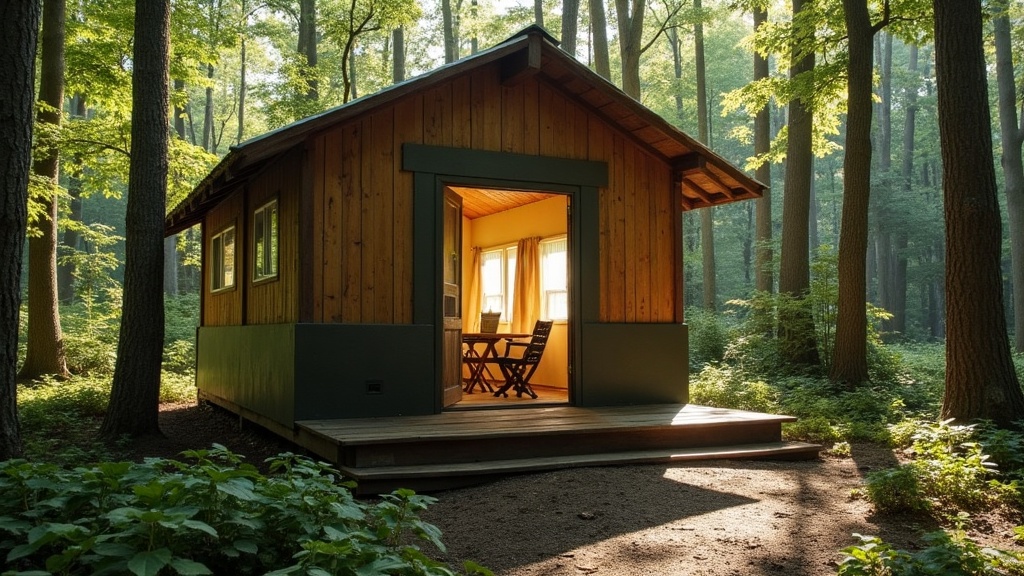
Omega offers several tiers of lodging, and the differences are real. At the budget end, you'll find dormitory-style rooms—shared spaces with multiple beds, communal bathrooms down the hall, and the particular social dynamics that come with sleeping near strangers. Standard rooms offer more privacy: typically double occupancy with a roommate, simpler furnishings, and bathrooms that might be shared between two rooms or down the corridor. Deluxe accommodations bring you private bathrooms, more space, quieter buildings, and sometimes air conditioning—a consideration worth weighing if you're visiting during Hudson Valley's humid summers.
The price spread can be significant. You might pay two or three times more for deluxe versus dorm housing during the same workshop week. That difference funds your retreat or prices you out, depending on your situation.
What's Included (And What Isn't)
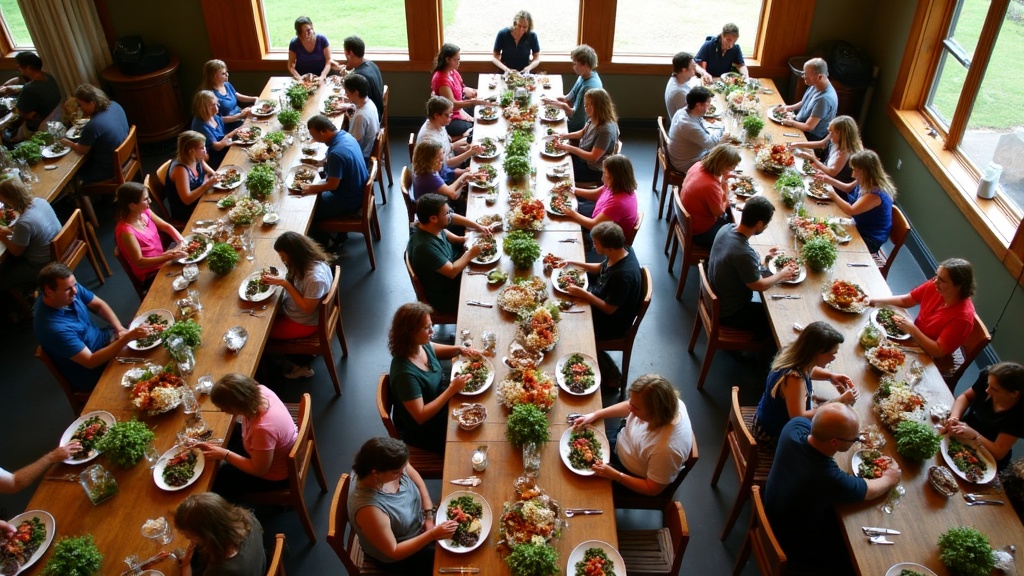
All Omega rooms come with beds and basic furniture. That's guaranteed. Linens and towels are provided—you won't need to pack sheets, though some regulars bring their own for comfort's sake. What you won't find in most rooms: televisions, phones, mini-fridges, or coffee makers. This is intentional. Omega's design philosophy pushes you toward communal spaces, toward the dining hall and the lake, toward other people.
Climate control varies by building and room category. Newer deluxe accommodations typically include air conditioning and better heating systems. Standard and dorm rooms often rely on windows and fans. If you run hot at night or you're visiting in July, this matters. If you're coming in October when the valley goes cool and golden, it matters less.
The Bathroom Reality
Shared bathrooms are functional, generally clean, but require adjustment if you're accustomed to privacy. You'll navigate morning traffic, encounter neighbors in various states of readiness, and possibly wait for showers during peak times. The experience isn't uncomfortable—Omega maintains its facilities well—but it's communal in the truest sense.
Private bathrooms eliminate that negotiation. You shower when you want, leave your toiletries out, and don't worry about forgetting your towel. For some people, this privacy is essential to feeling rested. For others, it's an unnecessary luxury.
Sound and Silence
Quietness is enforced differently across the campus. Deluxe buildings tend to be smaller, with fewer rooms and therefore less hallway traffic. Dorm buildings hold more people, and while quiet hours are observed, you'll hear more: doors closing, footsteps, whispered conversations, someone's 5 a.m. alarm before morning meditation.
The neighbors you get are luck. Most people come to Omega with good intentions and respect for shared space, but you might end up next to the snorer, the early riser who rustles through bags at dawn, or the pair of friends who can't stop processing their day. Earplugs are not officially recommended, but veterans pack them.
Choosing Your Room
Match your accommodation to your needs, not your aspirations. If you require solid sleep to function, if you're easily disturbed, if you need space to decompress between sessions—spend the money on a better room. The workshop that brings you to Omega costs the same regardless of where you sleep; don't undermine your learning by choosing housing that leaves you exhausted.
If you're flexible, social, and operating on a tight budget, dorm living works. You'll meet people. You'll have stories. You'll save several hundred dollars that might fund another workshop next year.
The honest tradeoff: cheaper rooms cost you something besides money. They cost you privacy, sometimes sleep, occasionally patience. What you get back is community—accidental and sometimes profound. Only you know which currency matters more for this particular trip.