BrightStar

Alle Events durchsuchen

Discover conscious gatherings

events

Yoga
Meditation
Breathwork
Qigong
Tai Chi
Sacred Music
World Music
Medicine Music
Sound Healing
Ecstatic Dance
Beliebte Reiseziele
BaliSedonaLos AngelesCosta RicaNew YorkSan FranciscoAustinMiamiJoshua TreeTulum
Alle Kategorien anzeigenAlle Reiseziele anzeigen

Alle Funktionen entdecken

Leistungsstarke Tools für Ihre Veranstaltungen

Plattform-Funktionen

Intelligente dynamische Preisgestaltung
Ticket-Kategorien
Sitzplatzreservierung
Warenkorbabbruch-Wiederherstellung
Besucher-Wiedergewinnung
Spenden & Staffelpreise
Affiliate-System
Ticket-Scanner
Rabattcodes
Individuelle Fragen
Ticket-Teilen
Upsells & Add-ons
Analysen & Berichte
E-Mail-Sequenzen
Warteliste / Benachrichtigen / Erinnern
Menschen & Orte
Artists & TeachersEvent OrganizersVenues & StudiosKnowledge BaseGlossaryInspiration
Alle Funktionen anzeigenÜber uns
PreiseBlog
Alle Veranstaltungen durchsuchen

events

YogaMeditationBreathworkQigongTai ChiSacred MusicWorld MusicMedicine Music

Beliebte Reiseziele

BaliSedonaLos AngelesCosta RicaNew YorkSan Francisco

Menschen & Orte

Artists & TeachersEvent OrganizersVenues & StudiosKnowledge BaseGlossaryInspiration

Plattform-Funktionen

Intelligente dynamische PreisgestaltungTicket-KategorienSitzplatzreservierungWarenkorbabbruch-WiederherstellungBesucher-WiedergewinnungSpenden & StaffelpreiseAffiliate-SystemTicket-ScannerRabattcodesIndividuelle FragenTicket-TeilenUpsells & Add-onsAnalysen & BerichteE-Mail-SequenzenWarteliste / Benachrichtigen / Erinnern
Alle Funktionen anzeigenÜber uns
PreiseBlog
AnmeldenSuchendeKreative
Tibetan BuddhistOm Mani Padme Hum · Om Mani Padme Hum · Om Mani Padme Hum · Om Mani Padme Hum ·
  • Alle Events durchsuchen
  • Für Suchende
  • Yoga
  • Meditation
  • Breathwork
  • Qigong
  • Tai Chi
  • Sacred Music
  • Retreats
  • Workshops
  • Alle Kategorien →
  • Bali
  • Sedona
  • Los Angeles
  • Costa Rica
  • Tulum
  • Byron Bay
  • San Francisco
  • Austin
  • Alle Städte →
  • Für Kreative
  • Für Autoren
  • Für Lehrer
  • Für Kirtan-Künstler
  • Für Studios
  • Für Festivals
  • Für Retreat-Zentren
  • Für gemeinnützige Organisationen
  • Markenbotschafter
  • Fallstudien
  • 350.000+ Käufernetzwerk
  • Warenkorbabbruch-Wiederherstellung
  • Intelligente dynamische Preisgestaltung
  • Ticket-Kategorien
  • Wiederkehrende Veranstaltungen
  • Sitzplatzreservierung
  • Affiliate-System
  • Warteliste / Benachrichtigen
  • Ticket-Scanner
  • Einbettungs-Widget
  • Alle Funktionen →
  • Über uns
  • Blog
  • Glossar
  • Inspiration
  • Hilfe-Center
  • Kontakt
  • API-Dokumentation
  • Marken-Assets
  • Karriere
  • Presse
  • Nutzungsbedingungen
  • Datenschutzrichtlinie

Events

  • Alle Events durchsuchen
  • Für Suchende
  • Yoga
  • Meditation
  • Breathwork
  • Qigong
  • Tai Chi
  • Sacred Music
  • Retreats
  • Workshops
  • Alle Kategorien →

Reiseziele

  • Bali
  • Sedona
  • Los Angeles
  • Costa Rica
  • Tulum
  • Byron Bay
  • San Francisco
  • Austin
  • Alle Städte →

Für Kreative

  • Für Kreative
  • Für Autoren
  • Für Lehrer
  • Für Kirtan-Künstler
  • Für Studios
  • Für Festivals
  • Für Retreat-Zentren
  • Für gemeinnützige Organisationen
  • Markenbotschafter
  • Fallstudien

Funktionen

  • 350.000+ Käufernetzwerk
  • Warenkorbabbruch-Wiederherstellung
  • Intelligente dynamische Preisgestaltung
  • Ticket-Kategorien
  • Wiederkehrende Veranstaltungen
  • Sitzplatzreservierung
  • Affiliate-System
  • Warteliste / Benachrichtigen
  • Ticket-Scanner
  • Einbettungs-Widget
  • Alle Funktionen →

Unternehmen

  • Über uns
  • Blog
  • Glossar
  • Inspiration
  • Hilfe-Center
  • Kontakt
  • API-Dokumentation
  • Marken-Assets
  • Karriere
  • Presse
  • Nutzungsbedingungen
  • Datenschutzrichtlinie
BrightStar
© 2026 BrightStar. Alle Rechte vorbehalten.
Back to Omega Institute
History

The History of Omega Institute
3 min readMay 2026at Omega Institute
The History of Omega Institute

The History of Omega Institute

In 1977, when Elizabeth Lesser and Stephan Rechtschaffen founded what would become Omega Institute for Holistic Studies, the American cultural landscape was still absorbing the spiritual experiments of the previous decade. The counterculture had fractured into communes, ashrams, and therapy centers, each claiming its own fragment of truth. Lesser and Rechtschaffen proposed something different: a gathering place without a single doctrine, shaped by the ecumenical vision of Pir Vilayat Inayat Khan, a Sufi teacher who encouraged dialogue across traditions rather than conversion to one.

The original idea was simple and radical in its simplicity—bring teachers from different lineages together and let people choose their own path. No hierarchy of practices. No required progression. Students might study Buddhist meditation in the morning and Jewish mysticism in the afternoon, moving between traditions as their questions demanded.

The Early Years

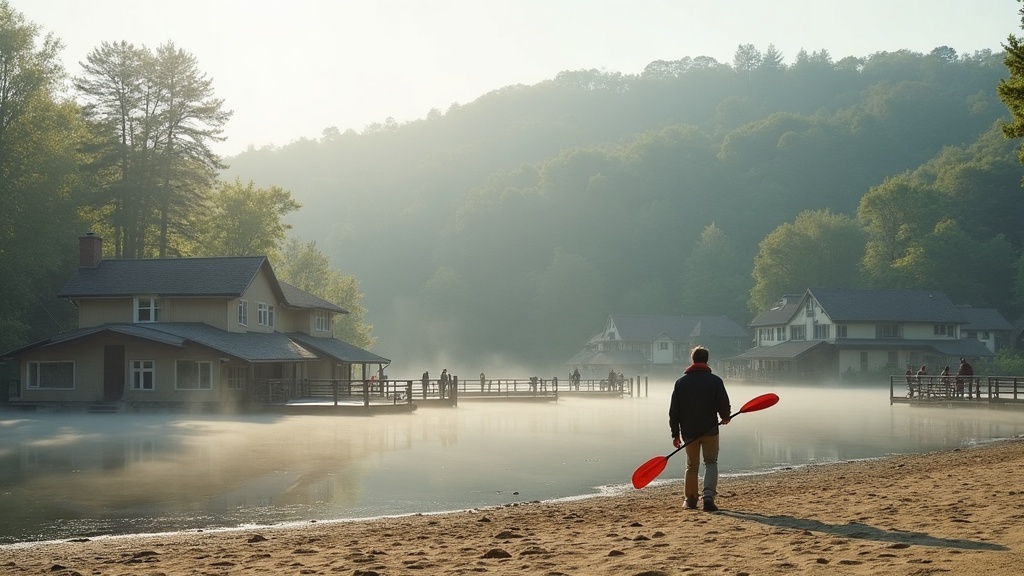
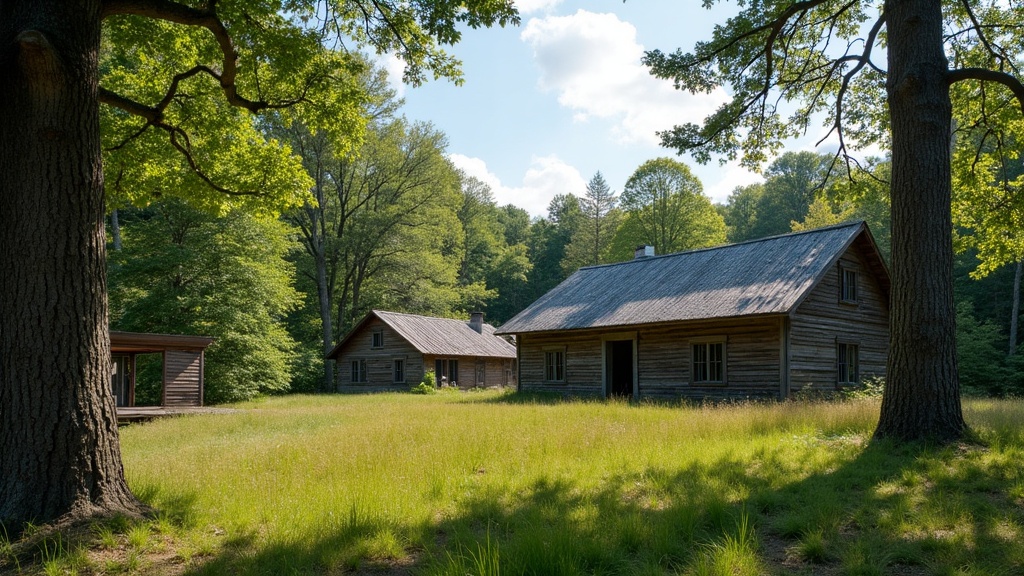
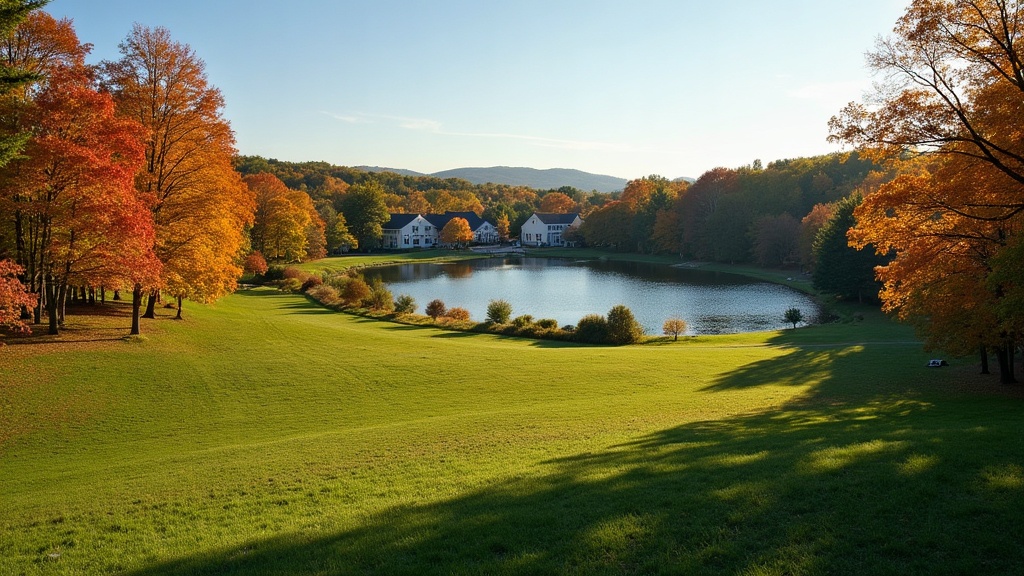
The institute began on eighty acres of old farmland in the Hudson Valley, eighty miles north of New York City. The location itself suggested something about Omega's character: close enough to urban life that teachers and students could come for weekends, far enough away that the green held. The name "Omega" pointed toward endings and beginnings, the last letter of the Greek alphabet signaling both completion and transformation.

From the start, the model was educational rather than devotional. Workshops lasted a weekend or a week. Teachers were invited based on their expertise, not their allegiance to a founding guru. This distinguished Omega from the spiritual communities that dominated the landscape of alternative education in the 1970s, many of which revolved around charismatic leaders and residential commitment.

Growth and Expansion

By the time the 1980s arrived, Omega had established itself as a credible venue for serious teachers. The campus grew to 190 acres, adding cottages, a lakefront, meeting spaces, and eventually a sanctuary built from reclaimed wood. The programming expanded beyond meditation and yoga to include psychology, the arts, environmental studies, and social justice work.

The institute evolved with the culture around it. As neuroscience began investigating contemplative practices in the 1990s and 2000s, Omega hosted researchers alongside traditional teachers. Bessel van der Kolk brought trauma research. Stephen Cope explored the intersection of yoga and Western psychology. The roster included Sharon Salzberg, Tara Brach, poets, doctors, scholars of mystical traditions from multiple lineages.

This breadth became Omega's signature. A typical summer day might offer zazen with a Zen priest, a lecture on trauma neuroscience, classes in watercolor, Ayurveda, or the poetry of Rumi. The menu was deliberately various, trusting students to construct their own curriculum.

The Institute Today

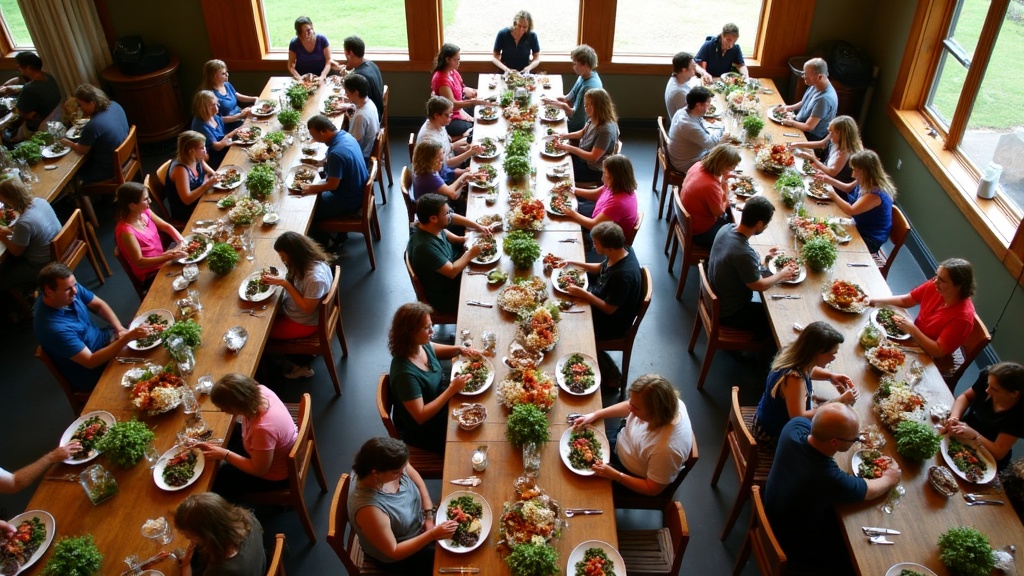
Today, Omega operates as a non-profit educational organization, drawing approximately twenty-five thousand people each summer to its Rhinebeck, New York campus. The dining hall serves vegetarian meals family-style—an intentional practice of gathering strangers around shared tables. The atmosphere is neither ascetic nor luxurious, pitched somewhere between summer camp and conference center.

The paths between buildings fill with people carrying yoga mats, notebooks, journals. Some walk alone. Most walk in pairs formed yesterday or an hour ago. This is the social architecture Omega has refined over decades: structured enough to create containers for learning, loose enough to allow for the accidents of connection.

The institute has maintained its founding principle of non-denominational openness, though this comes with its own complications. Without a single tradition to provide quality control, program curation becomes critical. Omega's reputation depends on its ability to distinguish between teachers with genuine depth and those offering spiritual commodity. The line is not always clear, and the marketplace of holistic education includes both.

The original founders' vision of an educational retreat center that honors multiple paths while requiring allegiance to none has proven durable. In an era when many spiritual communities have either collapsed under the weight of guru scandals or calcified into rigid orthodoxies, Omega has survived by remaining fundamentally agnostic about which path is true—insisting only that the search itself matters, and that it benefits from good teachers, quiet spaces, and the accidental communities formed when strangers gather with serious questions.
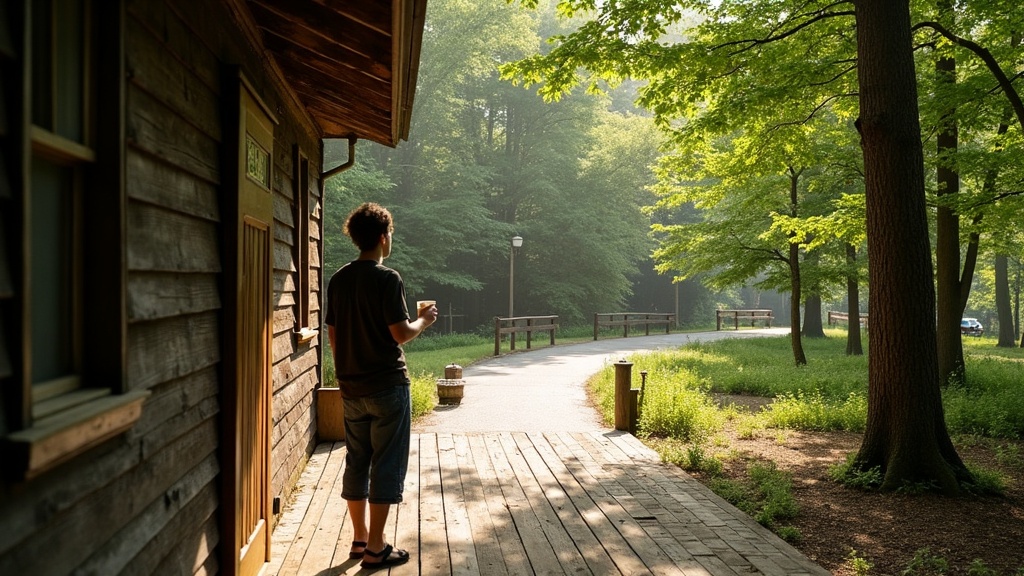
More about Omega Institute

Best Time to Visit Omega Institute: A Seasonal Guide
Seasonal Guide

Best Time to Visit Omega Institute: A Seasonal Guide

From December through February, Omega essentially hibernates. The campus in Rhinebeck closes for the season, offering no residential program…

4 min read
Inside the Omega Institute Daily Schedule
Daily Rhythm

Inside the Omega Institute Daily Schedule

The bell rings at 6:45 a.m., though you've likely been awake since the first bird call. On Day 1, you'll jolt upright, disoriented by unfami…

3 min read
Best Programs at Omega Institute for Beginners
For Beginners

Best Programs at Omega Institute for Beginners

The fear is always the same: you'll be the only one who doesn't know the terminology, can't sit cross-legged for an hour, or hasn't read the…

4 min read
Eating at Omega Institute: The Food Experience
Food & Meals

Eating at Omega Institute: The Food Experience

The dining hall at Omega Institute in Rhinebeck, New York, reflects the same philosophy that guides everything else at this pioneering retre…

3 min read

Keep exploring

Continue your journey

More from Omega Institute and across the BrightStar directory.

Back to Omega Institute

Return to the full venue profile — events, artists, guides, and more.

Back to venue →

Discover More Venues

Browse retreat centers, festivals, and sacred spaces across the conscious world.

Explore venues →

Find an Event

Kirtan, retreats, sound baths, breathwork, festivals — happening soon.

Browse events →