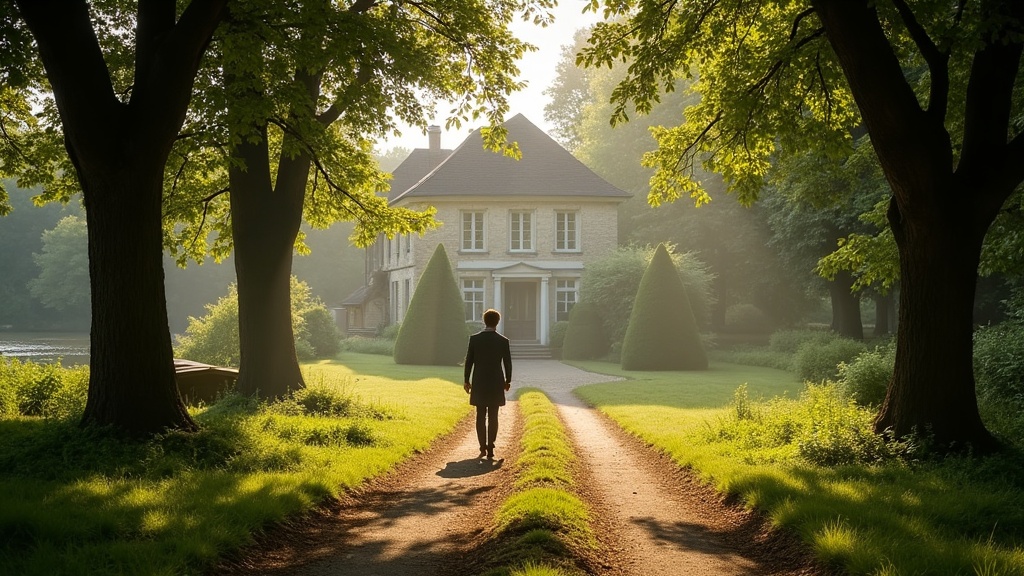
Eating at Le Moulin de Chaves: The Food Experience
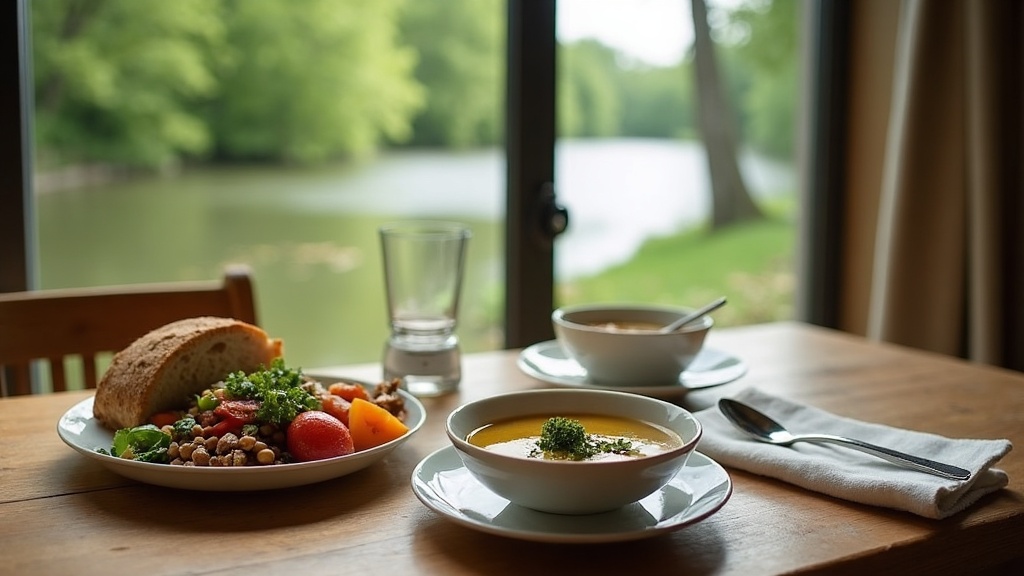
Eating at Le Moulin de Chaves: The Food Experience
The dining experience at Le Moulin de Chaves reflects the center's commitment to mindfulness in its purest form—simple, nourishing, and deliberately understated. This is not a retreat where culinary creativity takes center stage. Instead, the food philosophy centers on sustenance that supports meditation practice without becoming a distraction, following the Buddha's middle way between indulgence and severe asceticism.
The Philosophy Behind the Plate
Le Moulin de Chaves serves vegetarian meals aligned with traditional Buddhist precepts, though the kitchen doesn't explicitly follow Ayurvedic principles. The approach is refreshingly straightforward: wholesome, predominantly organic ingredients prepared simply, with an emphasis on local French produce when possible. The philosophy recognizes that while practitioners need adequate nutrition to support intensive meditation, elaborate or rich meals can lead to sluggishness or preoccupation with food—neither conducive to deepening practice. Think functional rather than gourmet, though always prepared with care.
What to Expect Throughout the Day
Breakfast typically arrives around 7:30 AM, featuring a modest continental spread: fresh bread with butter and jam, yogurt, seasonal fruit, muesli or cereal, and perhaps cheese. It's adequate fuel for the morning meditation sessions without heaviness.
Lunch, served around 12:30 PM, is the main meal of the day—a tradition borrowed from monastic practice where ordained monks eat only before noon. You might find vegetable soup, a grain-based dish like rice or pasta, cooked vegetables, salad, bread, and fruit for dessert. The portions are generous enough to sustain you through the afternoon, and seconds are available.
Dinner, served in early evening, is deliberately light—often just soup, bread, fruit, and tea. Following traditional practice during intensive retreats, some practitioners observe the monastic guideline of not eating solid food after noon, making dinner optional. The center accommodates both approaches without judgment.
The Dining Space and Atmosphere
Meals are taken in the communal dining room, a space that embodies the same simplicity as the food itself. During silent retreats, eating becomes an extension of meditation practice. The room fills with the quiet sounds of cutlery on plates, water being poured, chairs shifting—the ordinary symphony of mindful eating. There's something profoundly equalizing about sharing simple food in silence; it strips away the social performance of dining and returns you to the direct experience of nourishment.
During non-silent programs or work retreats, meals become opportunities for community connection, though conversation typically remains subdued and intentional, respecting the contemplative atmosphere.
Accommodations and Special Needs
The kitchen can accommodate various dietary requirements with advance notice. Gluten-free options are available, and since all meals are already vegetarian, pescatarian concerns don't apply. Vegan practitioners can be easily accommodated—simply omitting dairy and eggs from the standard offerings. Those with allergies should communicate clearly during registration, and the staff will make reasonable adjustments.
That said, this isn't a facility equipped for highly specialized or elaborate dietary needs. The kitchen operates with limited resources, and practitioners should approach with realistic expectations about customization.
Between Meals and Beverages
Light snacks—typically fruit, nuts, or crackers—are available outside meal times for those who need them, particularly during longer retreats when blood sugar maintenance becomes relevant. The approach is pragmatic: use what you need without excess.
Regarding coffee and caffeine, Le Moulin de Chaves takes a moderate stance. Herbal teas are emphasized and always available, but coffee and black tea are typically offered at breakfast. The center doesn't impose strict caffeine restrictions, recognizing that sudden withdrawal can be more disruptive to practice than moderate, mindful consumption. However, the atmosphere gently encourages examining one's relationship with stimulants.
Special Food-Focused Occasions
The center occasionally incorporates mindful eating exercises into programs, using meals as formal meditation practice. These sessions bring explicit attention to the sensory experience of eating—observing color, texture, smell, and taste with full presence. Otherwise, food remains in the background where it belongs, a supporting player rather than the star of the retreat experience.
The culinary experience at Le Moulin de Chaves won't make it into any guidebooks for food tourism. But that's precisely the point. The meals provide exactly what's needed: simple, honest nourishment that supports the real reason you've come—to sit, to watch, to wake up.