The History of Istituto Lama Tzong Khapa
The History of Istituto Lama Tzong Khapa
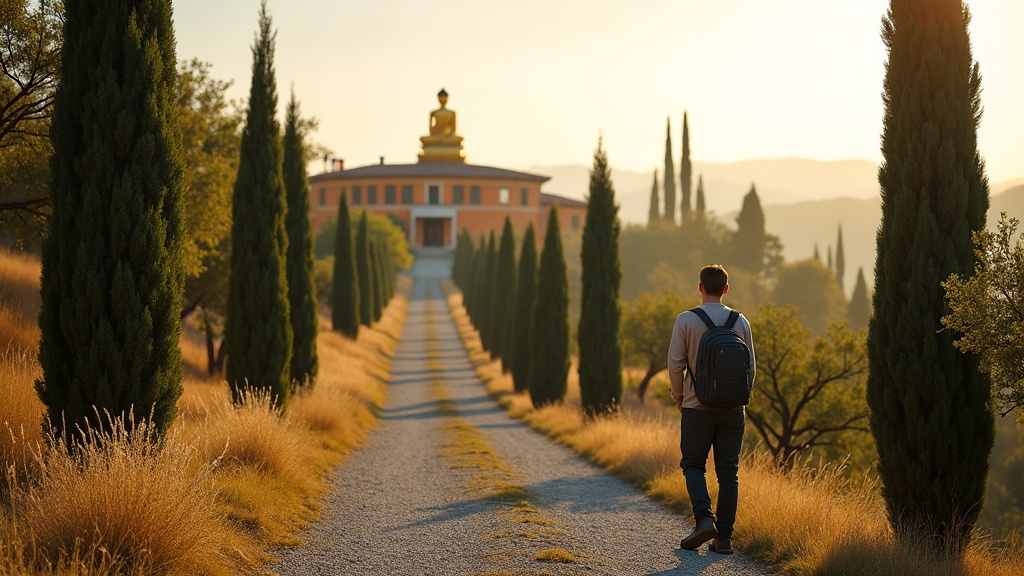
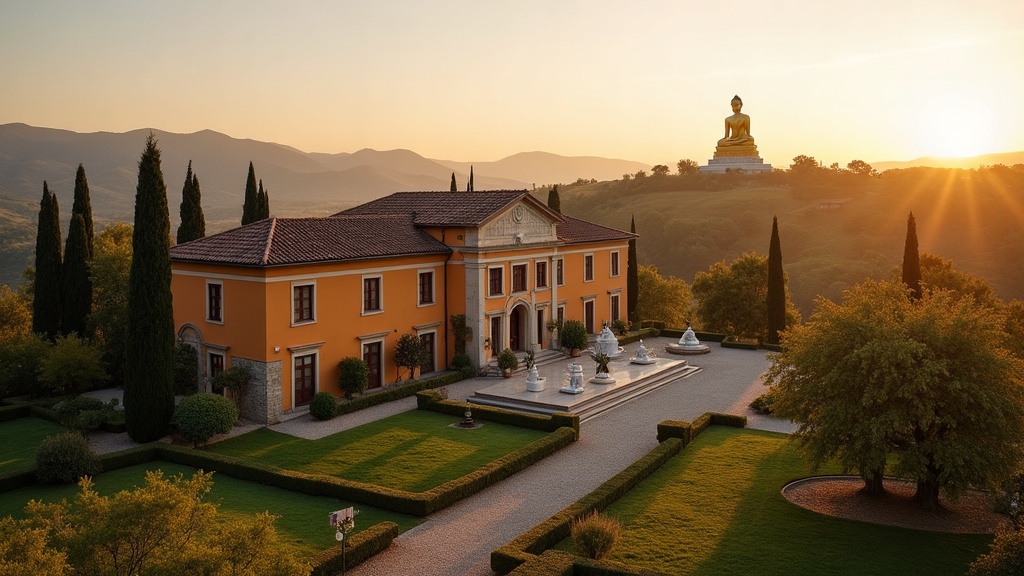
The white stupa rises above a hillside of cypress and olive trees, visible from the winding road up from Pisa. It marks the entrance to Istituto Lama Tzong Khapa, a monastery and study center that has quietly anchored the practice of Tibetan Buddhism in Europe for nearly half a century.
Origins in Tuscan Soil
In 1977, the Foundation for the Preservation of the Mahayana Tradition established Istituto Lama Tzong Khapa on twenty hectares of Tuscan farmland near the village of Pomaia. The choice of location was deliberate: a working landscape of terraced hillsides and stone buildings, far enough from urban centers to support contemplative life, yet accessible to seekers arriving from across the continent.
The institute was named for Tsongkhapa, the fourteenth-century Tibetan reformer and scholar who founded the Gelugpa school of Tibetan Buddhism. Known for his emphasis on rigorous philosophical study paired with meditative practice, Tsongkhapa's vision became the template for what would unfold on this Italian hillside—a place where ancient texts and living transmission could meet in structured, serious study.
A Lineage Rooted in Preservation
The Foundation for the Preservation of the Mahayana Tradition, or FPMT, emerged from the teachings of two Tibetan masters who brought their tradition to the West during the Tibetan diaspora. The Gelugpa lineage—the "Yellow Hat" school to which the Dalai Lama belongs—emphasizes scholarly rigor, debate, and systematic study of Buddhist philosophy. Istituto Lama Tzong Khapa became the European seat of this network, a hub where monastics, long-term students, and newcomers could encounter the graduated path teachings that form the backbone of Gelugpa training.
Building a European Monastery
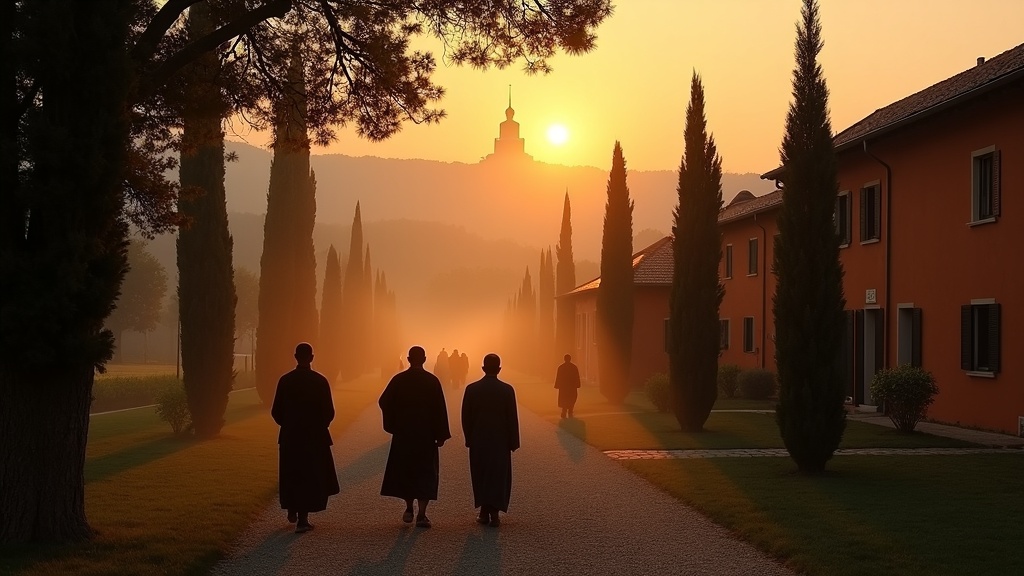
The early years were marked by transformation. Farmhouses became dormitories. Outbuildings were converted into meditation halls. The main gompa took shape, its interior fitted with thangkas and low cushions, its windows opening onto the Tuscan valley. As word spread, students began arriving—some for weekend retreats, others for months-long study programs.
The institute developed its signature offering: structured courses in lam-rim, the graduated path to enlightenment. This systematic framework, tracing the stages of spiritual development from initial refuge to the cultivation of bodhicitta and the study of emptiness, became the curricular heart. Classes unfolded in Italian and English, making the teachings accessible to a multilingual European community.
The Rhythm of Study and Practice
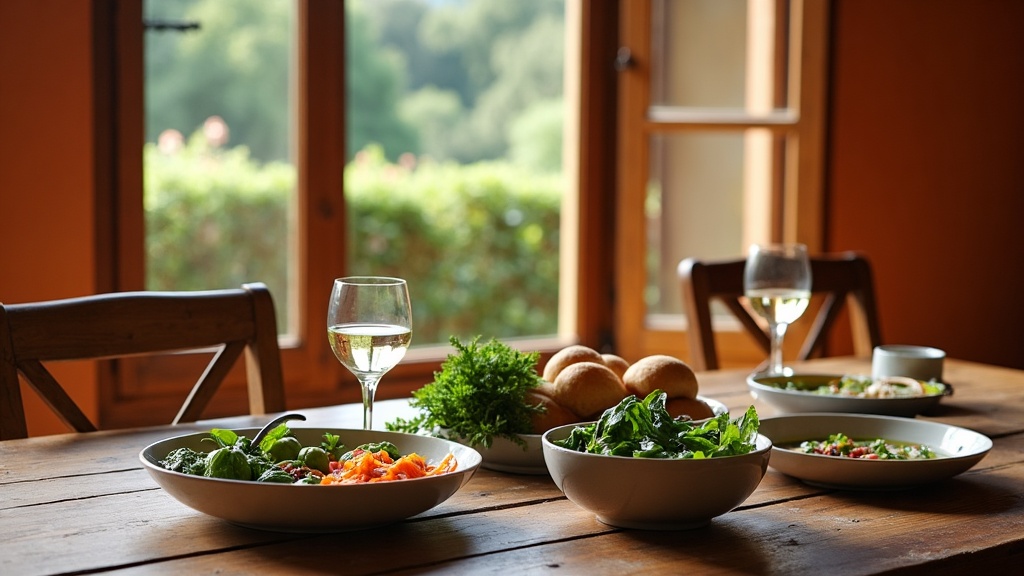
Over the decades, Istituto Lama Tzong Khapa evolved into something rare: a Western institution where traditional Gelugpa study methods could be practiced in depth. Silent retreats became a regular feature of the calendar. Training programs for aspiring dharma instructors took root, preparing a new generation of teachers. Weekend retreats followed a familiar rhythm—prostrations in the main hall at dawn, analytical meditation sessions, group discussions unpacking difficult concepts, vegetarian meals served in the dining room overlooking the valley.
The library grew to house Tibetan texts and translations, some bound in silk, carefully preserved alongside modern commentaries. The grounds themselves became part of the teaching: gravel paths for walking meditation, gardens tended by residents, the sound of birdsong punctuating periods of silence.
Present-Day Character
Today, Geshe Tenzin Tenphel serves as the resident teacher, offering monthly teachings on classical texts by Shantideva and Nagarjuna. His presence represents the continuity of lineage—a fully trained geshe, versed in the monastic curriculum, bringing traditional scholarship to contemporary students.
What distinguishes Istituto Lama Tzong Khapa is its commitment to depth over novelty. This is not a wellness retreat or a meditation spa. The teachings demand engagement: hours of study, philosophical debate, the slow work of training the mind through analytical meditation. Yet the setting softens the rigor—cypress trees, Tuscan light, the warmth of a community gathered around shared practice.
The institute has become a gathering place for serious practitioners across Europe and beyond. Some come for a single weekend retreat. Others return year after year, moving through progressive study programs, deepening their understanding of Buddhist philosophy and meditation. Residents maintain the daily rhythm of practice that allows visiting students to step into a living tradition.
Nearly fifty years after its founding, the white stupa still marks the entrance, a beacon for those seeking something more enduring than a brief respite. Inside the grounds, the path continues—measured in prostrations and study hours, in texts memorized and concepts debated, in the quiet transformation that happens when ancient wisdom meets sincere practice on a Tuscan hillside.