Your First Visit to 1440 Multiversity: What to Expect
Your First Visit to 1440 Multiversity: What to Expect
The Journey In
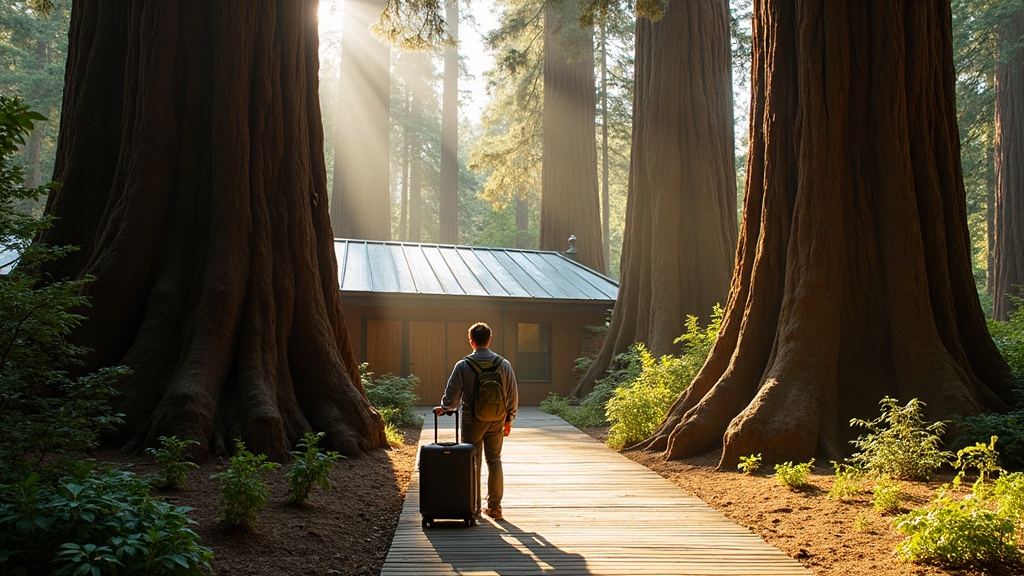
You'll wind through the Santa Cruz Mountains, leaving Highway 17 behind as redwoods close in around the road. The entrance to 1440 feels intentionally understated—no grand gates, just a turn into the forest that signals you're leaving the everyday world behind. Check-in happens in the main lodge, where staff greet you by name (they've been expecting you) and hand you a folder with your room key, campus map, and program schedule. The process is surprisingly efficient, usually taking less than fifteen minutes, though arriving during the Sunday afternoon rush means you might wait a bit longer as dozens of guests cycle through weekend programs.
Before you head to your room, someone will walk you through the basics: meal times, where your classroom or workshop space is located, and how to find the meditation hall if your program includes morning sits. Take the map seriously—the campus winds through the redwoods in ways that aren't immediately intuitive, and first-timers routinely end up at the wrong building at least once.
The Rhythm of Days
The campus operates on what you might call "gentle structure." If your program includes optional morning meditation, the hall opens at 6:30 or 7:00 a.m., with breakfast following around 7:30 or 8:00. Your actual program typically begins mid-morning and runs until late afternoon, with generous breaks built in. Lunch happens around midday in the dining hall, which operates buffet-style with overlapping service times to avoid crowding.
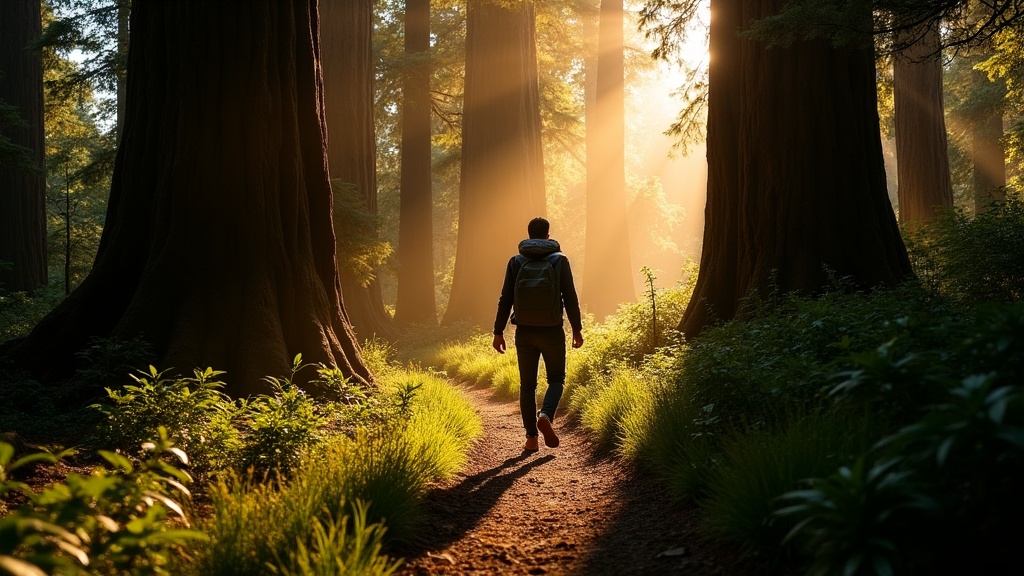
What surprises most first-timers is how much unstructured time exists between the structured parts. Your afternoon workshop might end at 4:00, leaving you three hours before dinner. This is intentional. You'll see people walking the forest trails, journaling on benches tucked among the redwoods, napping, or sitting in the library. Evening programming varies wildly depending on your retreat—some facilitators schedule optional sessions or group discussions, while others leave evenings completely open. By 9:00 or 10:00 p.m., the campus grows genuinely quiet.
Where You'll Sleep
The rooms are comfortable but deliberately simple—this isn't a spa resort. Expect a quality bed, clean linens, a private bathroom, and not much else. Some rooms have two beds (you can request a single if you prefer not to share, though it may cost extra), a small desk, and minimal decoration. The walls are thin enough that you'll hear your neighbors if they're loud, though the ethos of the place usually keeps things quiet.
The real luxury is opening your window at night to hear absolutely nothing but wind through redwood branches. No traffic, no sirens, no urban hum—just forest. The rooms maintain a cool temperature even in summer thanks to the tree canopy, so bring layers even if you're visiting in August.
The Food Situation
The dining hall serves buffet-style meals with an emphasis on fresh, often local ingredients. Vegetarian and vegan options aren't an afterthought—they're central to every meal, with meat and fish available but not dominant. Breakfast includes the expected oatmeal, fruit, and eggs, plus usually something interesting like house-made granola or a breakfast salad that's better than it sounds.
The food quality sits solidly in the "better than you expected, not quite transcendent" range. It's nourishing, thoughtfully prepared, and accommodating of dietary restrictions, but this isn't a culinary destination. Coffee flows freely and is decent. Herbal tea options abound. Most meals include a soup that's genuinely good.
Seating is communal at long tables, which means you'll end up eating with strangers unless you actively avoid it. Some people love this; others find it exhausting during programs focused on inner work.
What to Pack (and What to Leave Home)
Bring layers—the redwood canopy keeps things cool even when Scotts Valley itself is warm, and morning fog is common. Comfortable walking shoes matter more than you think; the campus involves more wandering than you expect. A water bottle, journal, and any specific items your program recommends are essential.
Leave the hair dryer (provided), fancy clothes (utterly unnecessary), and laptop unless you absolutely need it for your specific program. The unspoken norm is that personal devices stay in your room. You'll see the occasional person on their phone outside, but it reads as conspicuously out of place.
The Unwritten Rules
1440 operates on what you might call a "culture of mindfulness" rather than strict silence rules. Most programs aren't silent retreats, so conversation is fine, but people speak quietly and the atmosphere discourages loud socializing in shared spaces. The library and meditation hall carry an expectation of silence. Outdoor spaces fall somewhere in between—conversation is welcome, but keep it low.
If you need to leave a program session early, just go. Teachers understand that bodies need what they need. That said, sliding in late or ducking out repeatedly disrupts the container, so honor the group by committing as fully as you can.
The Real Story: What Actually Surprises People
First-timers consistently underestimate how tired they'll be. Even programs that don't seem physically demanding somehow exhaust you—perhaps because you're actually processing emotions, actually being present, actually sitting still for the first time in months. Plan on sleeping more than usual.
The other surprise is loneliness alternating with overstimulation. If you're here solo, meals and breaks can feel socially awkward. If you're an introvert, the communal nature of everything can feel relentless. There's nowhere to just blend into a crowd; the scale is too intimate for anonymity.
But most people leave saying the same thing: they needed more time. Whatever they came to do, explore, or discover needed more than a long weekend. Consider that your first visit is reconnaissance for a longer return.