BrightStar

Alle Events durchsuchen

Discover conscious gatherings

events

Yoga
Meditation
Breathwork
Qigong
Tai Chi
Sacred Music
World Music
Medicine Music
Sound Healing
Ecstatic Dance
Beliebte Reiseziele
BaliSedonaLos AngelesCosta RicaNew YorkSan FranciscoAustinMiamiJoshua TreeTulum
Alle Kategorien anzeigenAlle Reiseziele anzeigen

Alle Funktionen entdecken

Leistungsstarke Tools für Ihre Veranstaltungen

Plattform-Funktionen

Intelligente dynamische Preisgestaltung
Ticket-Kategorien
Sitzplatzreservierung
Warenkorbabbruch-Wiederherstellung
Besucher-Wiedergewinnung
Spenden & Staffelpreise
Affiliate-System
Ticket-Scanner
Rabattcodes
Individuelle Fragen
Ticket-Teilen
Upsells & Add-ons
Analysen & Berichte
E-Mail-Sequenzen
Warteliste / Benachrichtigen / Erinnern
Menschen & Orte
Artists & TeachersEvent OrganizersVenues & StudiosKnowledge BaseGlossaryInspiration
Alle Funktionen anzeigenÜber uns
PreiseBlog
Alle Veranstaltungen durchsuchen

events

YogaMeditationBreathworkQigongTai ChiSacred MusicWorld MusicMedicine Music

Beliebte Reiseziele

BaliSedonaLos AngelesCosta RicaNew YorkSan Francisco

Menschen & Orte

Artists & TeachersEvent OrganizersVenues & StudiosKnowledge BaseGlossaryInspiration

Plattform-Funktionen

Intelligente dynamische PreisgestaltungTicket-KategorienSitzplatzreservierungWarenkorbabbruch-WiederherstellungBesucher-WiedergewinnungSpenden & StaffelpreiseAffiliate-SystemTicket-ScannerRabattcodesIndividuelle FragenTicket-TeilenUpsells & Add-onsAnalysen & BerichteE-Mail-SequenzenWarteliste / Benachrichtigen / Erinnern
Alle Funktionen anzeigenÜber uns
PreiseBlog
AnmeldenSuchendeKreative
Tibetan BuddhistOm Mani Padme Hum · Om Mani Padme Hum · Om Mani Padme Hum · Om Mani Padme Hum · Om Mani Padme Hum ·
  • Alle Events durchsuchen
  • Für Suchende
  • Yoga
  • Meditation
  • Breathwork
  • Qigong
  • Tai Chi
  • Sacred Music
  • Retreats
  • Workshops
  • Alle Kategorien →
  • Bali
  • Sedona
  • Los Angeles
  • Costa Rica
  • Tulum
  • Byron Bay
  • San Francisco
  • Austin
  • Alle Städte →
  • Für Kreative
  • For Teams
  • Für Autoren
  • Für Lehrer
  • Für Kirtan-Künstler
  • Für Studios
  • Für Festivals
  • Für Retreat-Zentren
  • Für gemeinnützige Organisationen
  • Markenbotschafter
  • Fallstudien
  • Seva
  • Elevate
  • Amplify
  • 350.000+ Käufernetzwerk
  • Warenkorbabbruch-Wiederherstellung
  • Intelligente dynamische Preisgestaltung
  • Ticket-Kategorien
  • Wiederkehrende Veranstaltungen
  • Sitzplatzreservierung
  • Affiliate-System
  • Warteliste / Benachrichtigen
  • Ticket-Scanner
  • Einbettungs-Widget
  • Event Syndication
  • Message Center
  • Integrations
  • Reports
  • Alle Funktionen →
  • Über uns
  • The Ecosystem
  • Blog
  • Glossar
  • Inspiration
  • Hilfe-Center
  • Kontakt
  • API-Dokumentation
  • Marken-Assets
  • Karriere
  • Presse
  • Nutzungsbedingungen
  • Datenschutzrichtlinie

Events

  • Alle Events durchsuchen
  • Für Suchende
  • Yoga
  • Meditation
  • Breathwork
  • Qigong
  • Tai Chi
  • Sacred Music
  • Retreats
  • Workshops
  • Alle Kategorien →

Reiseziele

  • Bali
  • Sedona
  • Los Angeles
  • Costa Rica
  • Tulum
  • Byron Bay
  • San Francisco
  • Austin
  • Alle Städte →

Für Kreative

  • Für Kreative
  • For Teams
  • Für Autoren
  • Für Lehrer
  • Für Kirtan-Künstler
  • Für Studios
  • Für Festivals
  • Für Retreat-Zentren
  • Für gemeinnützige Organisationen
  • Markenbotschafter
  • Fallstudien
  • Seva
  • Elevate
  • Amplify

Funktionen

  • 350.000+ Käufernetzwerk
  • Warenkorbabbruch-Wiederherstellung
  • Intelligente dynamische Preisgestaltung
  • Ticket-Kategorien
  • Wiederkehrende Veranstaltungen
  • Sitzplatzreservierung
  • Affiliate-System
  • Warteliste / Benachrichtigen
  • Ticket-Scanner
  • Einbettungs-Widget
  • Event Syndication
  • Message Center
  • Integrations
  • Reports
  • Alle Funktionen →

Unternehmen

  • Über uns
  • The Ecosystem
  • Blog
  • Glossar
  • Inspiration
  • Hilfe-Center
  • Kontakt
  • API-Dokumentation
  • Marken-Assets
  • Karriere
  • Presse
  • Nutzungsbedingungen
  • Datenschutzrichtlinie
BrightStar
© 2026 BrightStar. Alle Rechte vorbehalten.
Inspiration

Vyasa Puja Mahaprasadam:Honoring Spiritual Lineage

RS
Radhanath Swami
Nov 19, 2025
6 min read

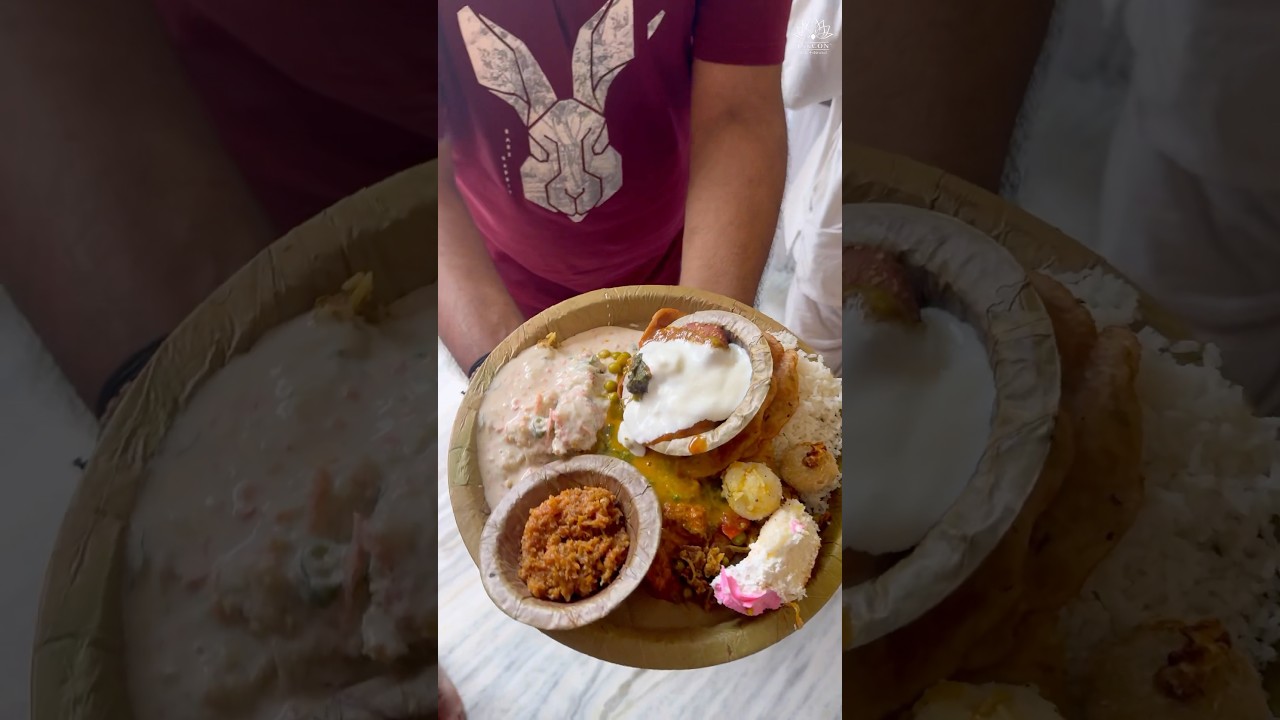
TLDR: Vyasa Puja is a sacred observance in the Gaudiya Vaishnava tradition that celebrates the spiritual teacher (guru) and honors the unbroken lineage of wisdom stretching back through parampara—the succession of realized masters. The mahaprasadam (spiritually sanctified food) distributed at such celebrations, as evidenced by this ISKCON Hyderabad gathering, embodies the bhakti principle of grace flowing through community worship and the formal recognition of one's spiritual guide.

Read · 8 sections

What is Vyasa Puja?

Vyasa Puja is an annual observance dedicated to Vyasadeva, the legendary sage who codified the Vedas and composed the Bhagavata Purana. In contemporary Gaudiya Vaishnava practice, particularly within ISKCON (the International Society for Krishna Consciousness), Vyasa Puja has become the primary occasion for celebrating one's spiritual teacher—honoring both the individual guru and the entire parampara or succession of gurus extending back through centuries of spiritual transmission.

The word "Vyasa" refers to the compiler of sacred knowledge, and "Puja" means worship or honor. Combined, Vyasa Puja acknowledges that all authentic spiritual teachings flow through a lineage of realized souls. This is not idol worship in the conventional sense, but rather a recognition that the guru is the transparent conduit through whom eternal dharma is revealed to each generation.

Why is Mahaprasadam Central to the Celebration?

Mahaprasadam—food that has been offered to the Divine and then distributed as a blessing—holds profound significance in bhakti traditions. During Vyasa Puja ceremonies, the preparation and distribution of mahaprasadam serves multiple functions simultaneously. First, it represents the guru's compassion: the spiritual teacher nourishes followers not only with wisdom but with material sustenance. Second, the prasadam itself is considered non-different from the guru's blessings; consuming food blessed by the guru is understood as internalization of his grace.

The distribution of mahaprasadam at an ISKCON event like the Hyderabad Abids gathering creates a tangible point of connection between the abstract principle of parampara and lived experience. Rather than remaining a theoretical concept, the spiritual lineage becomes manifest in shared food, shared devotion, and collective acknowledgment of the guru's role as guide.

What Does Parampara Mean in Spiritual Practice?

Parampara is the Sanskrit term for an unbroken chain of spiritual succession. In Gaudiya Vaishnava theology, knowledge of God cannot be manufactured through intellectual speculation alone—it must come through direct transmission from a guru who has received it from their guru, extending backward through time to Krishna himself. This lineage is considered the guarantor of authentic spiritual knowledge.

The significance of parampara is that it acknowledges interdependence: no individual practitioner stands alone. Each person's spiritual progress depends on receiving guidance from someone further along the path, and that guide in turn received wisdom from their guide. Vyasa Puja celebrations make this invisible chain visible and tangible, gathering a community around the affirmation that "we are part of something larger than ourselves—a succession of seekers and realized souls stretching across generations."

How Do Communities Practice Vyasa Puja?

At ISKCON temples like the Hyderabad Abids location, Vyasa Puja typically involves:

  • Recitation of prayers and mantras honoring the guru and the parampara
  • Singing of devotional songs (kirtans) dedicated to the spiritual teacher
  • Offerings of flowers, incense, and other symbolic items at the guru's seat
  • Collective meal (prasadam) distributed to all participants, reinforcing the principle of unity and shared blessing
  • Spiritual discourses or teachings reflecting on the guru's example and instruction

The mahaprasadam distribution—whether elaborate feasting or simple sanctified food—remains the ceremonial apex where philosophical principles become embodied practice. Every participant consuming the blessed offering affirms their connection to the guru, to one another, and to the eternal lineage.

What is the Role of the Guru in Gaudiya Vaishnava Tradition?

In this tradition, the guru is not understood as an infallible deity, but as a realized teacher whose life exemplifies the spiritual path they teach. The guru's primary function is to connect the student with God (Krishna, in Vaishnavite theology) and to help remove obstacles in that relationship. Vyasa Puja is the formal occasion when this relationship is publicly acknowledged and celebrated.

The guru is considered one of the three most important relationships in spiritual life (along with Krishna and other devotees). Honor toward the guru is not sectarian flattery but recognition of the vital role a sincere teacher plays in awakening dormant spiritual consciousness. Many Hindu and Vaishnava texts assert that approaching a qualified guru is the beginning of liberation—the first step without which no genuine progress is possible.

How Does Vyasa Puja Connect to Broader Vedic Cosmology?

Vyasadeva occupies a unique place in Hindu cosmology. According to Vedic texts, Vyasa appears in each age of creation (each "Dvapara Yuga") to compile the Vedas anew in a form suited to that era's conditions. The current Vyasadeva is credited with composing not only the four Vedas but also the 108 Upanishads, the Vedanta Sutras, and the Bhagavata Purana—essentially the entire corpus of Vedic knowledge.

By celebrating Vyasa Puja, devotees honor not only their immediate spiritual teacher but also the principle that knowledge is eternally preserved and transmissible through qualified representatives. The celebration asserts that truth is not invented or lost; it is recovered and re-presented through the parampara in each generation.

What is the Broader Purpose of Community Gatherings at Temples?

ISKCON temple events like the Vyasa Puja mahaprasadam distribution at Hyderabad Abids serve practical and spiritual functions simultaneously. They create regular occasions for community gathering, strengthen bonds between practitioners, provide entry points for newcomers, and reinforce core philosophical commitments through ritual and celebration. The distribution of mahaprasadam ensures that these teachings are not merely intellectual but are received through multiple sensory channels—taste, sight, sound, touch—making the spiritual principle accessible to different types of minds.

In modern contexts, where traditional spiritual transmission has become fragmented, such community celebrations become especially significant. They counter isolation and create visible, organized spaces where the "invisible lineage" of parampara is made tangible through shared practice.

Where to go from here

If this exploration of Vyasa Puja resonates with you, consider: What role do lineage and tradition play in your own spiritual search? How might connecting with a teacher or community change your understanding of spiritual growth? Vyasa Puja invites broader reflection on whether knowledge and wisdom are truly transmissible—whether they move from person to person, generation to generation—or whether each person must discover everything fresh. If you're interested in exploring Gaudiya Vaishnavism further, visiting a local ISKCON temple or investigating the teachings of the Bhagavad Gita and Bhagavata Purana provides direct engagement with the texts that structure these celebrations. The mahaprasadam itself—sanctified food offered with intention—is a humble but profound entry point into understanding how the sacred and material are understood as interpenetrating, rather than separate, in this tradition.

RS
AuthorRadhanath Swami

Watch more from Radhanath Swami on YouTube.

View profileWebsite
Explore Topics
Vyasa-pujaGuru-lineageBhakti-traditionParamparaPrasadam

Got Questions?

Frequently Asked Questions

Vyasa Puja is an annual observance honoring Vyasadeva (the sage who codified the Vedas) and, in contemporary practice, the spiritual teacher and the parampara—the unbroken lineage of gurus. ISKCON temples celebrate it as the primary occasion for formally acknowledging one's guru and affirming connection to the tradition of spiritual wisdom transmission.
Mahaprasadam is food that has been offered to the Divine and then blessed and distributed. It is significant because it embodies the guru's compassion and grace; consuming prasadam is understood as internalizing the teacher's blessings and affirming one's place within the spiritual community and lineage.
Parampara is the Sanskrit term for an unbroken succession of spiritual teachers extending back through time. In Gaudiya Vaishnavism, authentic spiritual knowledge cannot come through intellect alone—it must flow through a continuous chain of gurus, guaranteeing that wisdom is genuine and not merely speculative.
No. In authentic Gaudiya Vaishnavism, a guru must be a realized soul whose life embodies the teachings they transmit. The guru is not understood as infallible but as someone sufficiently advanced to guide others toward Krishna and to help remove obstacles in the student's spiritual life.
The guru in Vaishnavite tradition is considered one of the three most essential relationships in spiritual life (alongside God and other devotees). The guru is the transparent conduit of eternal wisdom, not merely a conveyor of information or techniques; approaching a qualified guru is understood as the essential first step of spiritual awakening.
Vyasadeva is credited with compiling the Vedas anew in each age of creation and authoring the Upanishads, Vedanta Sutras, and Bhagavata Purana. He represents the principle that spiritual knowledge is eternally preserved and re-presented through qualified masters in each generation, rather than lost or reinvented.
Vyasa Puja typically includes prayers and mantras honoring the guru, devotional singing (kirtans), offerings of flowers and incense, spiritual discourses, and the distribution of mahaprasadam to all participants, making the abstract principle of parampara tangible through shared food and collective devotion.

Continue Reading

More on Inspiration

View All
Vyas Puja Maha Prasadam: Honoring the Guru's Grace
Inspire

Vyas Puja Maha Prasadam: Honoring the Guru's Grace

Radhanath Swami explains the spiritual significance of Vyas Puja and maha prasadam as expressions of devotion to the guru's lineage and teac…

1 min read
Gabriel Drives the Waves: Modern Metal and Natural Mysticism
Inspire

Gabriel Drives the Waves: Modern Metal and Natural Mysticism

A 24-second metal track blending alternative and modern metal aesthetics with nature imagery and voodoo mysticism. Experience raw sonic ener…

1 min read
Dance as Return: Afro-Tribal House and Embodied Presence
Inspire

Dance as Return: Afro-Tribal House and Embodied Presence

A live set that weaves afro, tribal, and groovy house through presence and somatic awakening, treating the dancefloor as a return to heartbe…

1 min read
The Deep Bond Between Abdul Kalam and the Dalai Lama
Inspire

The Deep Bond Between Abdul Kalam and the Dalai Lama

A rare encounter between two spiritual and intellectual giants reveals the profound mutual respect that transcended titles, achievements, an…

1 min read

Keep exploring

Continue your journey

More wisdom and gatherings from across the BrightStar directory.

More Articles

Browse the full library of teachings, interviews, and guides.

Back to all articles →

Teachers & Artists

Explore the lineages, musicians, and guides of the conscious world.

Explore artists →

Find an Event

Kirtan, retreats, sound baths, breathwork, festivals — happening soon.

Browse events →
Read more from BrightStarCreate Free Account
Host your own gatherings?Try the Demo