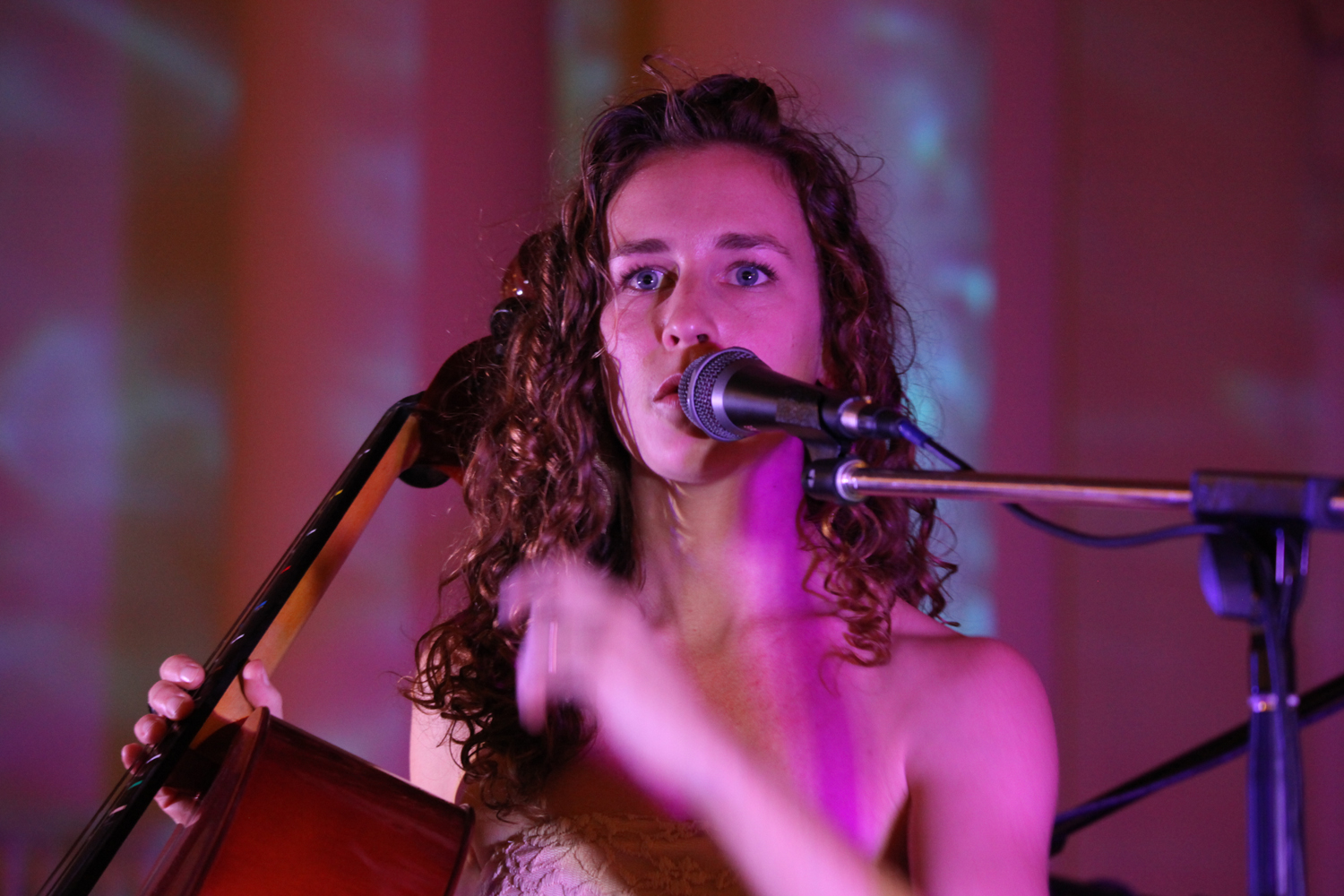

Where to Start with Peia: A Beginner's Guide
Begin with Planting Magic
Your entry point is Peia's 2025 album Planting Magic. This eleven-track collection distills everything essential about her artistry—the devotional quality, the spaciousness, the sense that you're being invited into ceremony rather than simply listening to songs. Put it on during an afternoon when you have no agenda. Let it play while you're cooking, stretching, or staring out a window. Don't treat it as background music, but don't force attention either. Peia's music works best when you're doing something gentle with your hands while your heart stays open.
After That: Three Natural Progressions
Once Planting Magic has settled into your body, move to the single "Abuelas Curanderas." This track showcases Peia's relationship with ancestral healing and Spanish-language prayers. It's more concentrated, more explicitly ritual. You'll understand the lineage she's drawing from.
Then try Quieter, her 2026 album. As the title suggests, this work strips back even further. Where Planting Magic invites you into magic, Quieter asks you to sit with stillness. It's less immediately gratifying, more austere. You need to have learned Peia's language first.
Finally, explore the single "Waterbound" for a sense of her range—it demonstrates how she moves between the devotional and the elemental, between human voice and the sounds that existed before language.
What to Expect on First Listen
Peia's music doesn't announce itself. There are no hooks in the pop sense, no crescendos designed to give you chills on cue. Her voice often sits inside the instrumentation rather than soaring above it. You might find yourself wondering if anything is happening at all. Then you'll notice your breathing has changed. Your shoulders have dropped. You've been listening for twenty minutes and have no idea where the time went.
The production is intentionally spacious—long stretches where almost nothing happens, then a vocal line that feels like it emerged from the silence rather than interrupting it. If you're accustomed to music that entertains, this will feel alien. Peia's music is functional: it's meant to facilitate something in you, not to perform for you.
How Beginners Get It Wrong
The most common mistake is treating Peia like ambient music—something pretty to have on while you work. Her music demands a particular quality of presence. Not focused attention exactly, but receptivity. People also expect "healing music" to feel immediately soothing. Peia's work can bring up grief, longing, or old sadness before it brings peace. That's the point. Healing isn't the same as comfort.
Another misunderstanding: assuming this is music for a specific spiritual tradition. Peia draws from multiple wells—indigenous practices, devotional singing, earth-based ritual—without claiming to represent any single lineage. If you're looking for doctrinal purity, you'll be frustrated.
When This Music Lands Hardest
Peia's work finds people during transitions. When you're between identities—after a breakup, before a move, in early sobriety, postpartum, grieving. When the old story about who you are has dissolved and the new one hasn't formed yet. When you're tired of being entertained and want to be met. When you've done enough therapy to know your patterns but need something beyond talk to shift them. When you're building a home practice—yoga, meditation, morning pages—and need a sonic container that doesn't dictate but holds space.
A One-Week Starter Plan
Days 1-3: Listen to Planting Magic once daily. Morning or evening, not during commutes. Sit or move slowly. Notice what emotions surface. Don't try to understand the lyrics intellectually.
Day 4: Listen to "Abuelas Curanderas" on repeat for thirty minutes. Let it become a loop, almost hypnotic. This teaches you how Peia uses repetition.
Days 5-6: Try Quieter in complete silence—no multitasking. Notice the difference between this and Planting Magic. Which one your system needs right now.
Day 7: Return to your favorite track from Planting Magic. Notice what's changed in how you hear it. That's Peia teaching you her language.