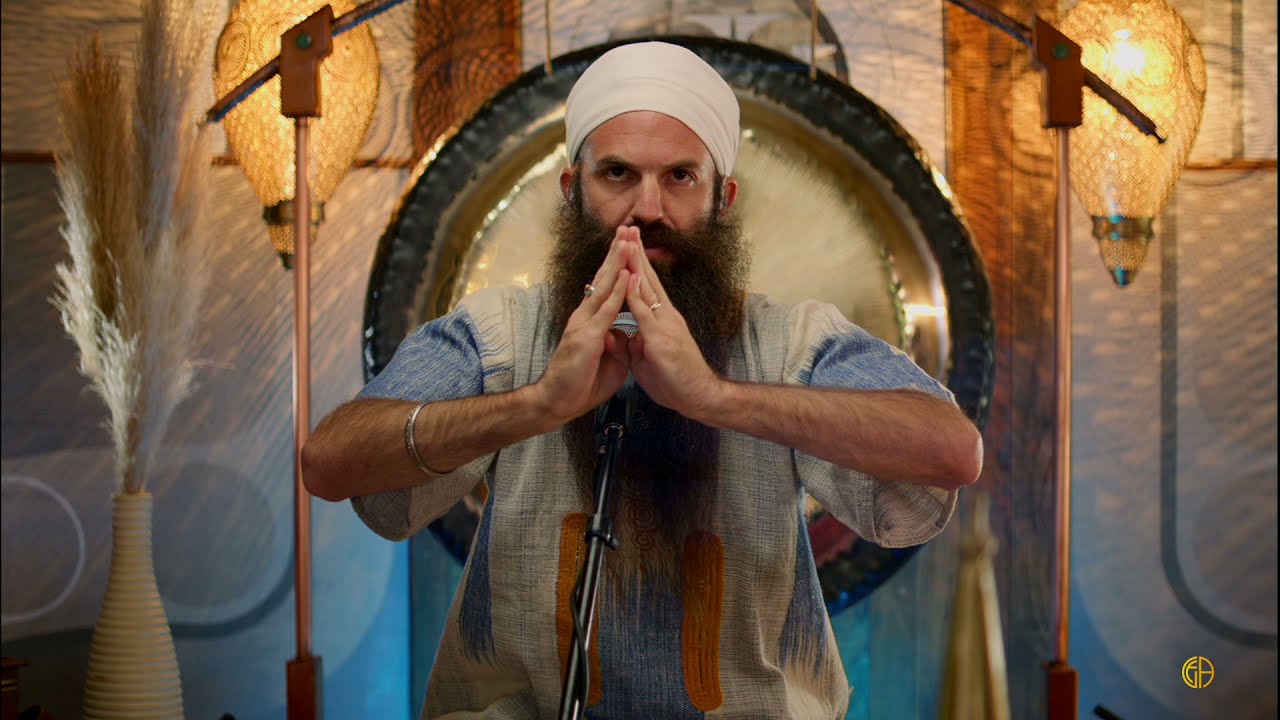

Where to Start with Jai Dev Singh: A Beginner's Guide
Begin with a Live Practice Video
Your best entry point into Jai Dev Singh's work is one of his kundalini yoga class videos—specifically, look for a beginner-friendly session that combines physical practice with mantra. His teaching style reveals itself most authentically in real-time instruction, where you'll experience how he weaves breathwork, movement, and sacred chant into a cohesive practice. Unlike teachers who separate these elements, Jai Dev presents them as inseparable components of transformation.
What strikes you first is the energy—not frenetic, but purposefully dynamic. He doesn't coddle beginners, yet the practice remains accessible. You'll notice he speaks less than you might expect from a spiritual teacher, letting the mantras and breath patterns do much of the work. This economy of instruction is deliberate; Kundalini Yoga works through experience, not explanation.
Your Next Steps
After that initial class, turn to his mantra recordings. Choose one album and listen to a single track repeatedly—this is crucial. Beginners often sample everything superficially; Jai Dev's work demands depth over breadth. Pick one mantra and let it become familiar. Listen while commuting, cooking, or before sleep. The repetition isn't monotonous—it's the method. The mantras are designed to work on your nervous system through sustained exposure.
Third, attend a workshop or retreat if possible, or access recorded workshop content. His extended sessions reveal the lineage-based framework underlying his teaching. You'll learn why specific pranayama techniques precede certain kriyas, why timing matters, why the seemingly arbitrary sequence of a practice actually follows precise logic inherited from his teachers.
What to Expect on First Encounter
You'll likely feel awkward. Kundalini Yoga includes breath of fire, rapid movements, holding postures while chanting, and other practices that feel strange to Western bodies accustomed to gentler yoga styles. The mantras may seem inaccessible—Gurmukhi isn't English, and Jai Dev doesn't always translate every phrase immediately.
Expect physical intensity. These aren't relaxation sessions. You might also experience unexpected emotions surfacing. That's the practice working. Jai Dev teaches in a tradition that views the body as holding psychological patterns; the kriyas are designed to release them.
Common Misunderstandings
Beginners often mistake Jai Dev for either a fitness instructor or a guru figure. He's neither. He's a lineage teacher transmitting specific technologies. His presence is grounded, not charismatic in the typical spiritual-teacher way. This throws people off.
Another mistake: approaching Kundalini as another workout style. The physical challenge is a vehicle, not the destination. The mantras aren't background music—they're precise sound currents with specific effects. Treating the practice as exercise misses the point entirely.
Finally, people expect immediate bliss. Kundalini Yoga can be confronting. Early sessions might leave you agitated, emotional, or experiencing intense dreams. This isn't failure; it's the clearing process beginning.
When This Work Lands Hardest
Jai Dev's teaching resonates most powerfully during transitions—career changes, relationship endings, recovery from addiction, or periods of deep questioning about purpose. When surface-level solutions stop working, when therapy helps but doesn't complete something, when you sense there's more to human potential than your current life reveals.
It also lands when you're ready to commit to something disciplined. This isn't drop-in spirituality. It requires showing up repeatedly, practicing even when inconvenient, trusting processes you don't fully understand yet.
A One-Week Starter Plan
Days 1-2: Complete one 30-45 minute beginner class video. Journal briefly afterward about what felt strange, what felt surprising.
Days 3-4: Practice the same class again. Note what's familiar now. Choose one mantra from his recordings and listen 2-3 times daily.
Days 5-6: Return to the class a third time. Continue the mantra practice. Read about the specific mantra's meaning and traditional use.
Day 7: Rest from physical practice. Listen to a full album of mantra recordings. Sit quietly for 10 minutes afterward.
This week establishes the fundamental rhythm: repetition, deepening, integration. From here, you'll know whether to continue.