
Ajeet's Teaching: Approach, Method, and Voice
Ajeet's teaching unfolds in the space between sound and silence, between the personal and the transpersonal. A session with him—whether a kirtan, a retreat gathering, or a workshop—has a particular architecture: it begins with tuning, not just of instruments but of presence. There's often an opening meditation, a settling into the room's collective body before a single mantra is chanted. The progression is deliberate, building from simpler chants to more complex Sanskrit invocations, from gentle melodies to ecstatic repetition. What distinguishes his approach is the refusal to separate the musical from the pedagogical. He doesn't teach about devotion and then perform music; the music is the teaching, and the teaching emerges from musical engagement.
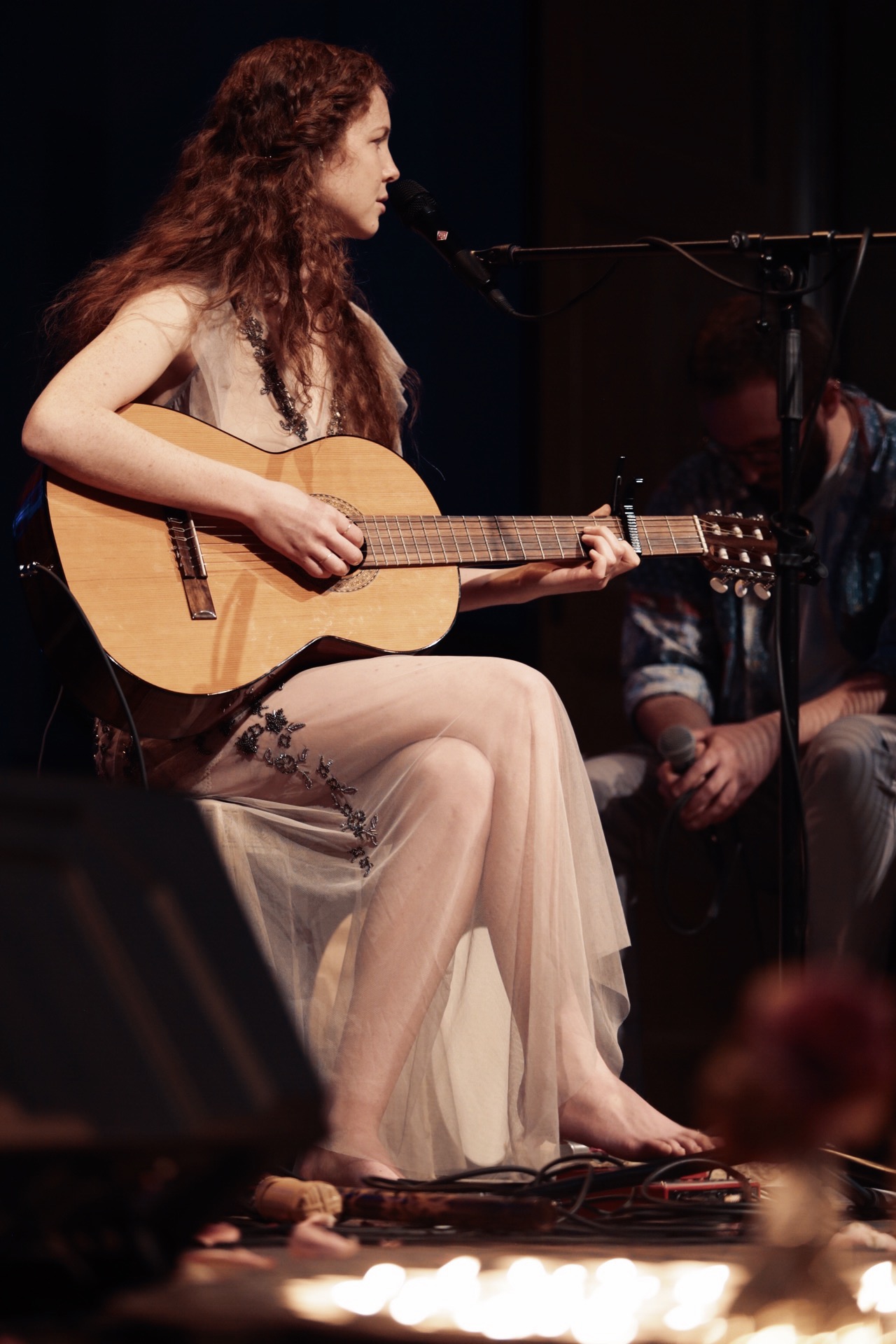
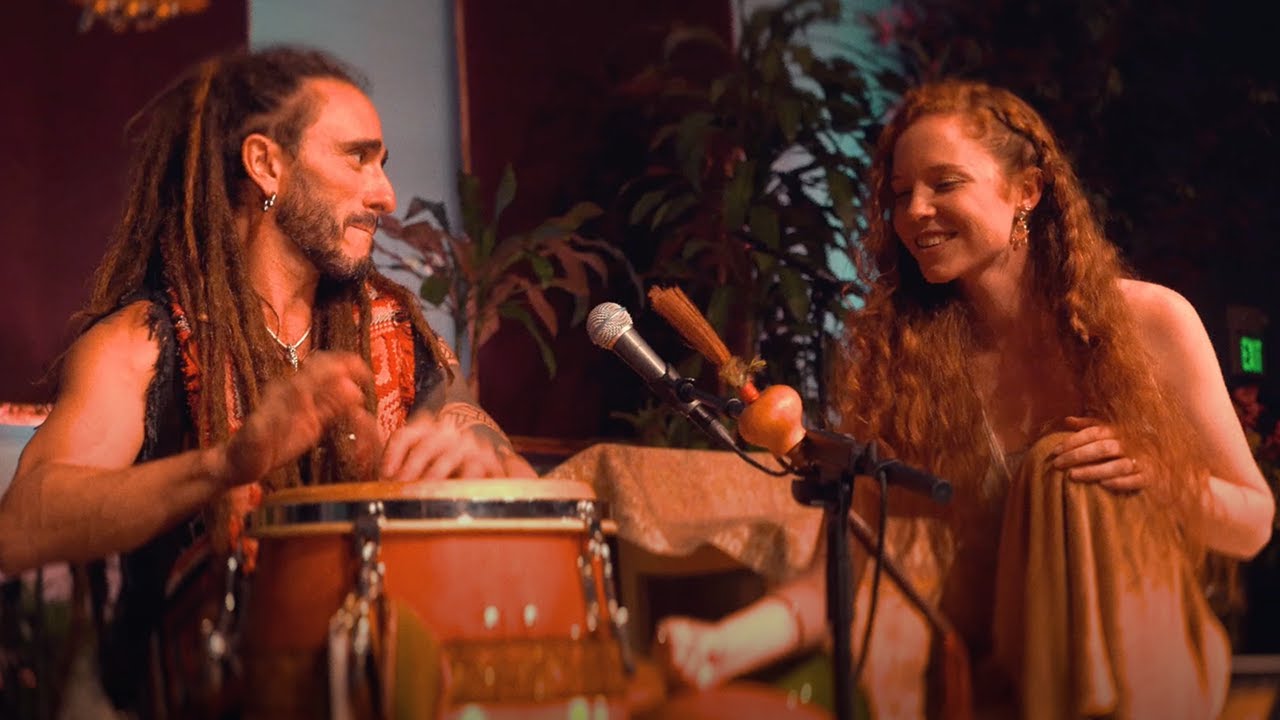
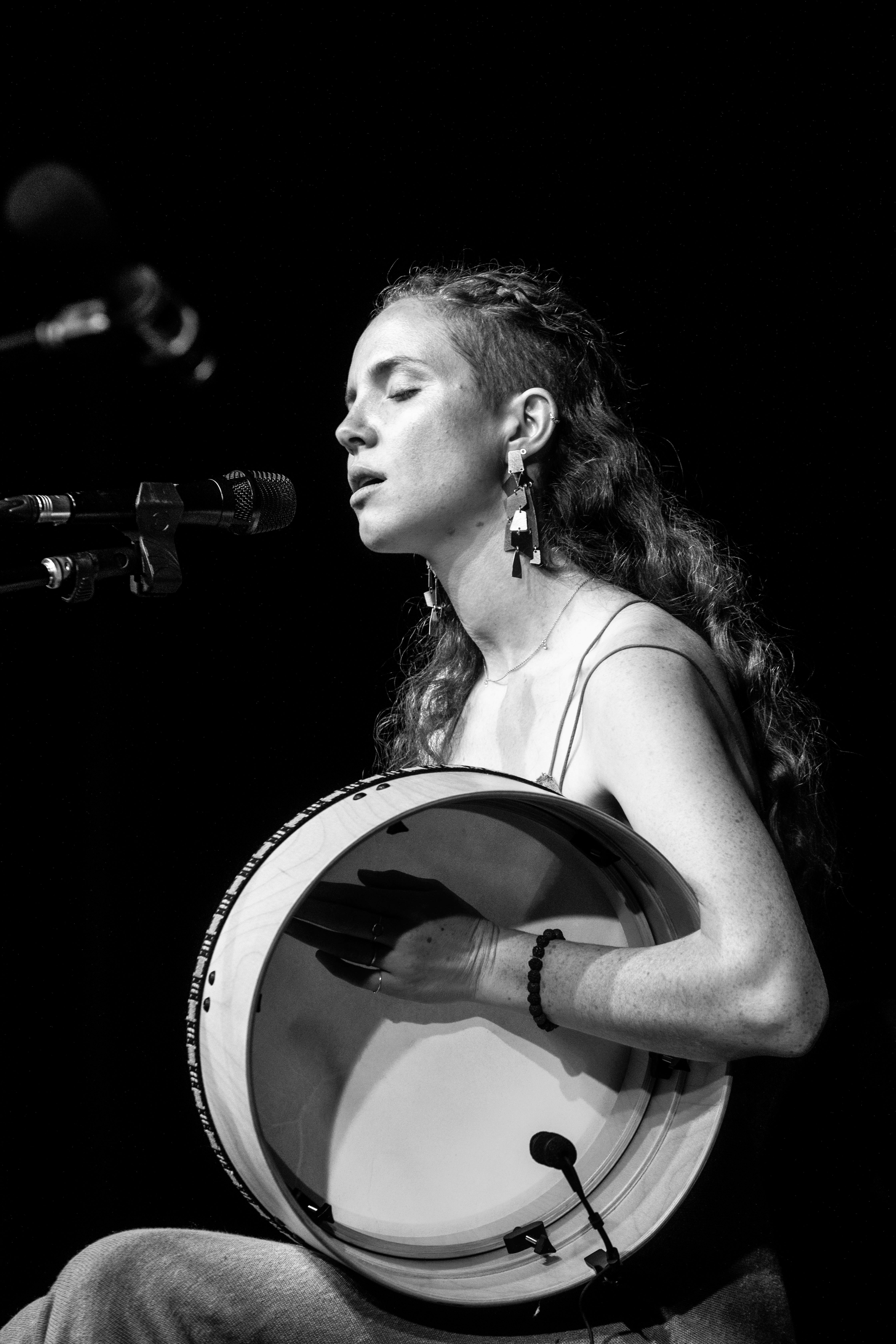
The shape of an Ajeet retreat or extended workshop follows a rhythm of immersion and integration. Participants might spend hours in kirtan, then break into silence, then return to discussion of yogic philosophy as it relates to the mantras they've been chanting. He moves fluidly between roles: musician, guide, translator of tradition. A typical evening session might include an hour of call-and-response chanting, a teaching on the particular mantra's meaning and energetic function within Kundalini yoga, and a period of silent meditation to absorb what has moved through the group. The aesthetic is stripped down—acoustic instruments, minimal production, maximum presence.
The recurring themes that surface in Ajeet's work cluster around several persistent concerns: the relationship between sound and consciousness, the body as instrument of spiritual experience, and the tension between individual practice and collective devotion. He returns again and again to questions of lineage—what it means to carry forward Yogi Bhajan's teachings in contemporary contexts, how to honor tradition while remaining accessible to Western practitioners who lack cultural and religious background in the source material. He speaks frequently about the democratizing potential of kirtan, how communal chanting can bypass intellectual barriers and create entry points into meditative states for people who struggle with silent sitting practice.
The questions Ajeet pushes students to sit with are rarely comfortable. He asks: What are you actually devoted to? Not what you think you should be devoted to, but where does your attention and energy actually flow? He interrogates the Western tendency toward spiritual consumerism, the impulse to collect practices without committing to any lineage deeply. During retreats, he'll pose questions and then return to chanting, using the repetitive nature of mantra to create space for genuine inquiry rather than quick answers. He asks practitioners to notice what arises when singing in Sanskrit—the resistance, the self-consciousness, the moments of unexpected opening.
His delivery aesthetic combines elements that don't always coexist easily. There's humor—self-deprecating comments about his own journey, observations about the absurdities of contemporary spiritual culture—but it never undercuts the seriousness of the practice. He uses personal story sparingly but effectively, brief windows into his own struggles with devotion, doubt, and the demands of carrying a teaching lineage. Scripture and yogic philosophy appear not as abstract doctrine but as practical technology, instructions for working with energy and consciousness. The silence he holds between chants is as considered as the sound itself. He has little interest in filling every moment with explanation; the pauses do their own teaching work.
This teaching lands most effectively for practitioners who come with some existing relationship to yoga or meditation but feel drawn toward more devotional expressions. It works for people willing to surrender to repetition, to trust that something emerges through sustained practice that isn't immediately apparent. Those who arrive seeking emotional catharsis or transcendent experience often find it, but Ajeet is equally interested in what happens afterward—the integration, the sustaining of practice beyond peak experiences. His work may bounce off those looking for highly intellectual dharma teaching, for teachers who emphasize silent meditation exclusively, or for people uncomfortable with the guru-lineage dimension of Kundalini yoga.
Ajeet belongs to the lineage of Western Kundalini yoga practitioners trained in Yogi Bhajan's tradition, but his expression of that lineage foregrounds music over the movement-based kriyas that many associate with Kundalini practice. He's part of a generation navigating how to carry forward specific yogic teachings while acknowledging complications in the lineage and remaining relevant to contemporary practitioners. His teaching exists at the intersection of sacred music tradition and accessibility, maintaining Sanskrit mantras and traditional melodies while creating musical arrangements that feel organic to Western ears.